Tensions Erupt, Then Recede: US-Iran Ceasefire Brings First Ships Through Strait of Hormuz
The United States and Iran have agreed to a two-week ceasefire, brokered by Pakistan, which includes the crucial reopening of the Strait of Hormuz. While the US hails the deal as a victory and Iran proposes a comprehensive peace plan, Israel continues strikes in Lebanon, setting the stage for negotiations in Islamabad. The agreement has already led to a dip in global oil prices.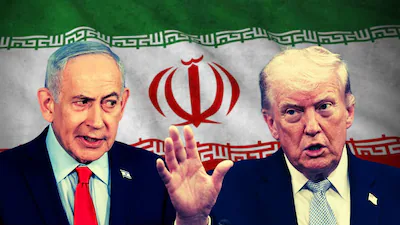
The United States and Iran have reached atwo-week ceasefire agreement, brokered by Pakistan, in a crucial bid to avert further destruction and de-escalate ongoing tensions.
This significant deal, finalized overnight from Tuesday to Wednesday, includes the temporary reopening of the Strait of Hormuz, a vital global oil thoroughfare through which approximately one-fifth of the world's oil passes.
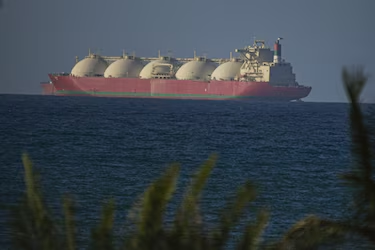
Maritime monitor MarineTraffic confirmed that two ships, the Greek-owned bulk carrier NJ Earth and the Liberia-flagged Daytona Beach, had already transited through the Strait since Iran agreed to reopen the waterway.
US President Donald Trump hailed the ceasefire as a "total and complete victory" for Washington.
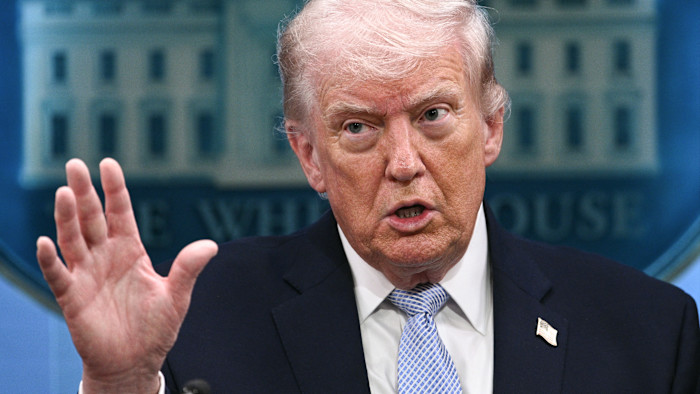
He stated that the US would suspend attacks on Iran for two weeks, while Tehran committed to the "COMPLETE, IMMEDIATE, and SAFE OPENING of the Strait of Hormuz."
Trump acknowledged Pakistan's pivotal role in mediating the agreement, which follows a period of conflict initiated by the US and Israel on February 28.
The US president also indicated that Iran's enriched uranium would be "perfectly taken care of" under the truce, despite his previous assertions that Iran was enriching uranium to build an atomic weapon, claims that have been denied by Iran and are not backed by the UN nuclear watchdog.
Trump's conditions for ending hostilities have been notably inconsistent, including a past demand for Iran's "unconditional surrender."
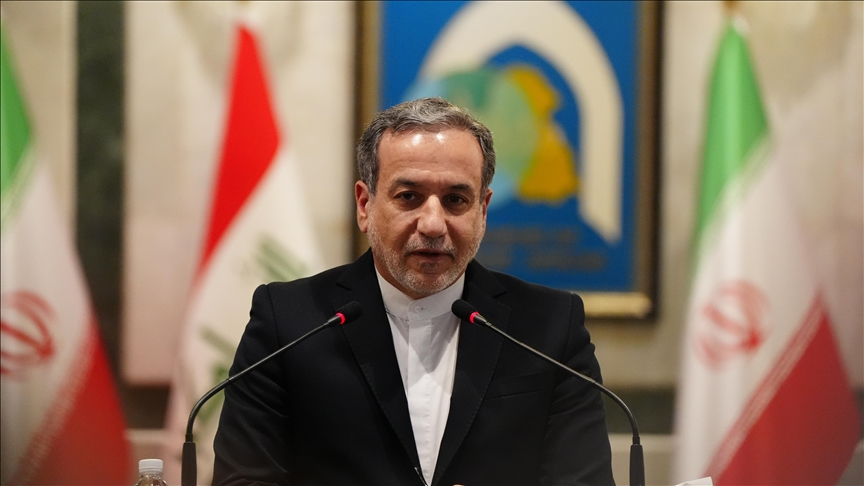
Iranian Foreign Minister Abbas Araghchi confirmed that Tehran would ensure safe passage through the Strait of Hormuz for the two-week duration.
Iran has proposed a 10-point plan for securing a comprehensive end to the war, which Trump deemed "workable" as a potential basis for negotiations.
However, this plan encompasses several demands previously considered unfeasible by Washington.
Key components of Iran's plan include continued Iranian control over the Strait of Hormuz, acceptance of uranium enrichment, the lifting of all primary and secondary sanctions, US military withdrawal from the Middle East, an end to attacks on Iran and its allies, the release of frozen Iranian assets, and a UN Security Council resolution to make any deal binding.
While the uranium enrichment demand was present in the Farsi release circulated by Iranian state media, it was omitted from Tehran's English-language statement shared by the UN.
Despite the broader ceasefire agreement, Israel, which has been engaged in conflict with Iran-backed Hezbollah since the group launched rocket fire in March,renewed strikeson southern Lebanon on Wednesday.
Israel affirmed its support for Trump's decision to suspend bombing of Iran but explicitly stated that the ceasefire "does not include Lebanon."
This stance contradicts Pakistan's Prime Minister Shehbaz Sharif, who claimed the truce deal covered "everywhere, including Lebanon."
Lebanese authorities have reported over 1,500 deaths resulting from Israel's retaliation against Hezbollah's actions.
The ceasefire is set to commence immediately.

Delegates from both the United States and Iran are scheduled to begin talks on Friday in Islamabad, Pakistan, with the aim of reaching a "conclusive agreement" within the two-week negotiation period.
The White House is considering participating in these talks, though plans were not yet finalized.
The announcement of the Strait of Hormuz's reopening under the truce led to a significant plunge in global oil and gas prices on Wednesday, providing temporary relief to countries reliant on oil imports, which have faced squeezed supplies since Iran effectively closed the passage.