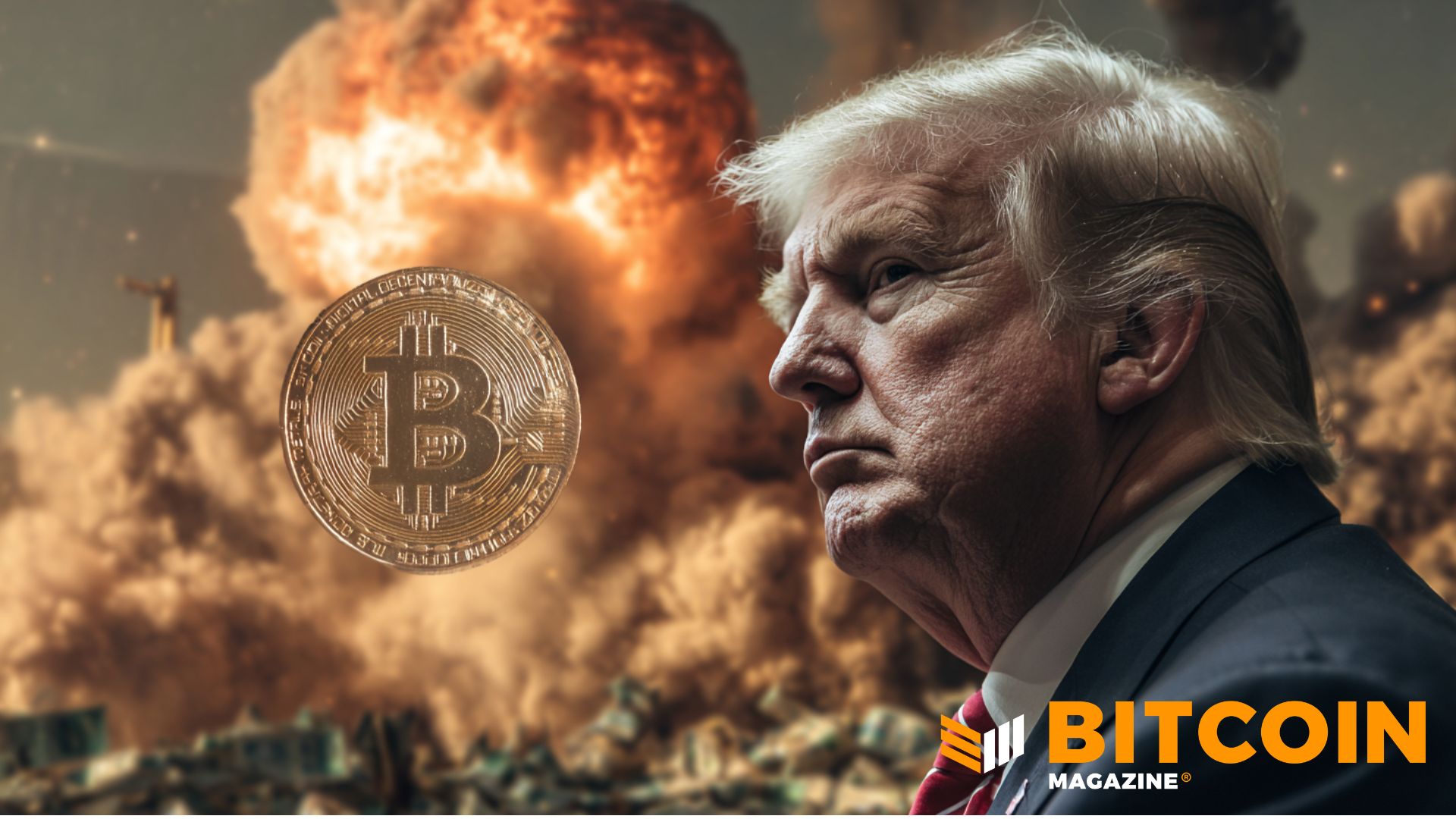
Middle East on Edge: Iran's Hormuz Stranglehold and Crumbling Ceasefire Sparks Global Alarm

An eleventh-hour, two-week ceasefire agreement was struck between Iran, the United States, and Israel, brokered by Pakistan, to avert U.S. President Donald Trump’s threat of a bombing campaign against Iranian civilization. However, mere hours after the announcement, new attacks were reported by Iran and Gulf Arab countries, immediately casting doubt on the deal's stability, which U.S. Vice President JD Vance described as “fragile.” Significant disagreements regarding the terms of the agreement emerged, with each side presenting vastly different interpretations.
One of the most contentious points revolved around the Strait of Hormuz, a vital international waterway through which 20% of the world's oil and natural gas normally transits. Iran claimed the deal allowed it to formalize a new system of charging ships for passage, instituting tolls payable in Chinese yuan or cryptocurrency. Initial reports from Iran's Oil, Gas and Petrochemical Products Exporters’ Union spokesperson, Hamid Hosseini, suggested a toll of $1 per barrel of oil, requiring vessels to email authorities about their cargo and pay within seconds to avoid sanctions. Later, the toll was cited as high as $2 million per vessel. Iran warned that any vessels attempting to transit without permission would be “destroyed” and insisted on monitoring traffic to prevent weapons transfers, effectively demanding ships hug its northern coastline. President Trump initially described this as a “joint venture” for security and revenue, but also emphasized the necessity of the “COMPLETE, IMMEDIATE, and SAFE OPENING” of the Strait. Gulf states, including Saudi Arabia, Qatar, and the UAE, deemed Iranian control of the strait unacceptable, fearing a shift in power dynamics within OPEC+. Western shipping companies, like Maersk, adopted a cautious approach, stating the ceasefire provided no full maritime certainty, leading to a backlog of an estimated 2,000 ships and 20,000 seafarers trapped in the Gulf.
The ceasefire's scope regarding the conflict in Lebanon also became a major point of contention. Pakistan and other mediators stated the truce would pause fighting in Lebanon, where Israel had launched a ground invasion against the Iran-backed Hezbollah militant group. However, Israel, through Prime Minister Benjamin Netanyahu and Chief of Staff Lt. Gen. Eyal Zamir, explicitly denied this, asserting their right to continue striking Hezbollah. Indeed, Israeli forces carried out their heaviest attack of the war on Lebanon, hitting over 100 targets and killing at least 254 people, causing over 1.2 million displacements. President Trump later clarified that Lebanon was a “separate skirmish” not covered by the deal.
The fate of Iran’s missile and nuclear programs, key objectives for the U.S. and Israel, remained ambiguous. Iran’s Farsi version of the ceasefire plan mentioned “acceptance of enrichment,” a phrase conspicuously absent from English versions shared by Iranian diplomats. Trump, however, declared there would be “no enrichment of uranium” and that the U.S. would work with Iran to “dig up and remove” enriched uranium, or “nuclear dust,” buried after previous U.S.-Israeli strikes. Defense Secretary Pete Hegseth warned of further joint strikes if Iran refused to voluntarily surrender its enriched uranium stockpile, which Tehran had enriched up to 60% purity.
Despite the ceasefire announcement, hostilities persisted across the region. Bahrain, Israel, Kuwait, Saudi Arabia, and the United Arab Emirates reported incoming missiles and drone attacks from Iran. An oil refinery on Iran’s Lavan Island came under attack, and Kuwaiti power and water desalination plants sustained severe damage from Iranian drones. A Saudi oil pipeline to the Red Sea was also attacked. Casualty tolls, as of late March, stood at over 1,900 in Iran, 1,500 in Lebanon (including 130 children), 11 Israeli soldiers, 23 in Israel, 13 U.S. service members, and over two dozen in Gulf Arab states and the occupied West Bank.
Economically, the ceasefire initially led to a global stock market surge and a plunge in oil prices below $100 per barrel. However, the continued closure and contested control of the Strait of Hormuz meant vital crude and gas supplies remained disrupted, preventing a full recovery in global energy prices. The United Nations Secretary General's envoy and the International Maritime Organization (IMO) expressed concern for the 20,000 seafarers trapped and called for safe passage. UK Prime Minister Keir Starmer, visiting Gulf allies, emphasized the UK’s “job” to help reopen the Strait of Hormuz permanently to stabilize energy prices, while reiterating the UK's stance against being drawn into the war without a lawful basis. Starmer’s cautious approach and previous refusal to fully support US-Israeli attacks drew criticism from Trump and other UK politicians like Nigel Farage.
Within the U.S., Trump's ceasefire deal exposed fresh divisions within his Maga movement. Loyalists like Dinesh D’Souza and Nancy Mace lauded it as a “total and complete victory” and “peace through STRENGTH.” However, critics and some staunch supporters, including Senator Lindsey Graham, Mark Levin, and Laura Loomer, expressed deep skepticism, fearing the deal conceded too much to Tehran, left the Iranian regime intact, and potentially strengthened its hand by allowing control over the Strait. A Pew Research survey in late March indicated an 18-point decline in confidence among Republicans regarding Trump’s Iran policymaking since 2024, highlighting the internal fracturing caused by the complex and unpredictable nature of the conflict and its supposed resolution.
You may also like...
Pistons Poised for Comeback: Cunningham Expected to Return Against Bucks
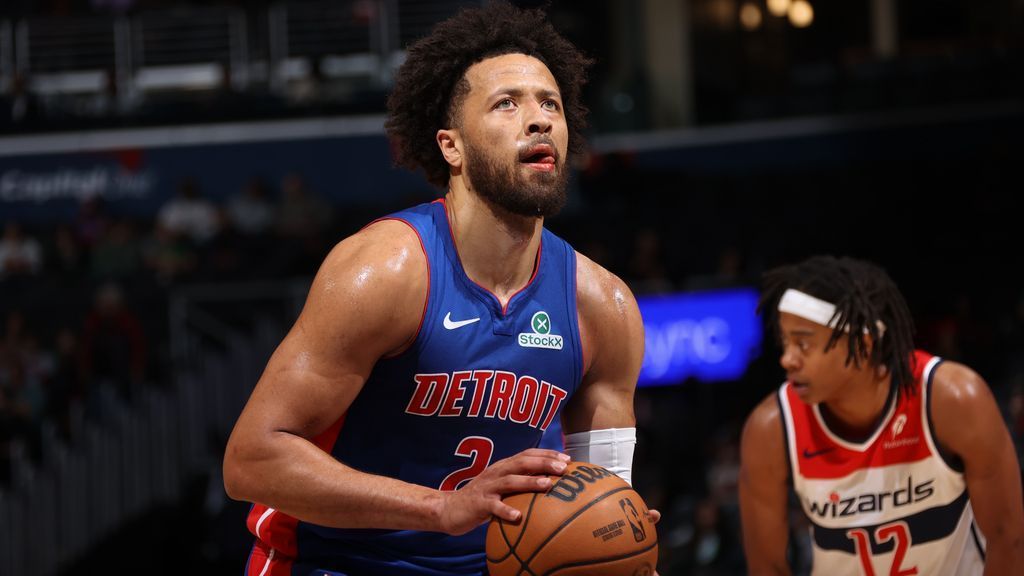
Detroit Pistons guard Cade Cunningham is set to return Wednesday night against the Milwaukee Bucks after an 11-game abse...
Spurs Suffer Double Blow: Wembanyama and Castle Out With Injuries
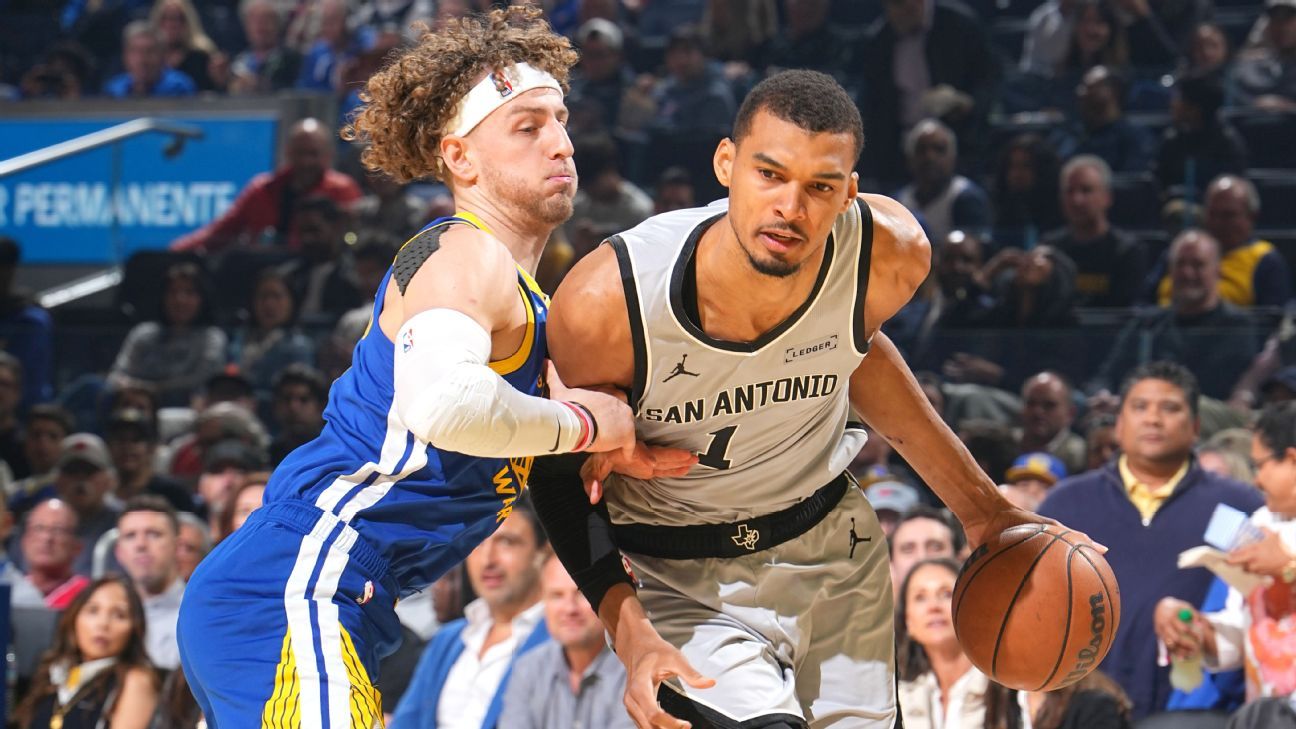
San Antonio Spurs stars Victor Wembanyama and Stephon Castle were sidelined for Wednesday's game due to rib contusion an...
DCU Shocker! James Gunn Crushes Wonder Woman Casting Hopes for 'Superman' Sequel

A casting search for a key role in James Gunn's upcoming DCU film 'Man of Tomorrow' has been mired in online speculation...
Netflix Unleashes 'Extraction 3' Confirmation! Get Ready for More Action!

Netflix has officially greenlit "Extraction 3," confirming Chris Hemsworth's return as Tyler Rake and Sam Hargrave as di...
The Boys Saga Concludes! Jack Quaid Gears Up for New Horizon as Series Finale Looms

Jack Quaid reflects on a transformative year, balancing diverse roles and the final season of <i>The Boys</i>. He discus...
Daredevil: Born Again Shocker! Showrunner Teases Pivotal Episode 5 Amidst [SPOILER]'s Fate Mystery
![Daredevil: Born Again Shocker! Showrunner Teases Pivotal Episode 5 Amidst [SPOILER]'s Fate Mystery](https://static0.colliderimages.com/wordpress/wp-content/uploads/2026/03/daredevil-born-again-season-2-dario-scardapane-sana-amanat-interview-youtube.jpg?w=1600&h=900&fit=crop)
Daredevil: Born Again Season 2 blurs the lines between hero and villain as Daredevil is hunted and Kingpin leverages Cit...
Is a Diabetes Cure on the Horizon? Experts Hint at Breakthrough Jab!

A groundbreaking single-jab gene therapy, KRIYA-839, is entering human trials with the potential to offer a 'functional ...
NHS on the Brink: Junior Doctor Strikes Rack Up Staggering £3 Billion Bill!

The latest junior doctors' strike, their 15th since 2023, is costing the NHS billions and severely impacting patient car...