NHS on the Brink: Junior Doctor Strikes Rack Up Staggering £3 Billion Bill!

Junior doctors in the UK have once again commenced industrial action, marking their 15th round of strikes since 2023. This latest six-day walkout, which began on Tuesday morning, is estimated to cost the National Health Service (NHS) over £250 million and compounds an already staggering financial burden from previous strikes.
The cumulative cost of these strikes to hospitals has now reached an estimated £3 billion. This substantial sum, according to health officials, could have funded 1.5 million operations, facilitated 15 million outpatient appointments, or covered the salaries of 75,000 nurses for an entire year. Alternatively, it could have been used to construct three new hospitals. During each day of industrial action, health chiefs report burning through £50 million, as they are compelled to cancel vital procedures and engage consultants at rates up to £313 per hour to cover for their striking junior colleagues, now referred to as resident doctors.
The doctors are primarily striking in pursuit of a 26 percent pay rise, which they demand in addition to the 28.9 percent increase they have received over the past three years. This ongoing dispute saw the British Medical Association (BMA) last month reject a deal proposed by the government. The rejected offer would have elevated resident doctors' pay rise over the past three years to 35 percent and created thousands of speciality training places, allowing members to further their careers. Under this proposed deal, some senior resident doctors could have earned over £100,000 annually, while those in their first year out of medical school would have commenced on an average salary of £52,000.
Health Secretary Wes Streeting has strongly criticized the BMA, accusing the union of 'sapping the health service of vital funds' and timing the walkout to cause 'maximum disruption, at a cost now running into the billions'. He reiterated that at a time when 'everyone's feeling the pinch, this latest round of costly industrial action is the last thing the NHS - and the country - needs'. Streeting urged the BMA to call off the strike, re-evaluate the 'generous offer', and prioritize the needs of patients and the country. He also highlighted that the six-day strike's cost would deprive members of an additional 1,000 training places, as that funding must now cover the multi-million-pound walkout.
NHS England echoed these concerns, warning that strike action immediately following the long Easter bank holiday weekend would place a 'significant strain' on services. Officials are preparing for a potential surge in people seeking care who may have delayed it over the extended break. Further complicating matters, many staff have booked annual leave to align with school holidays, reducing available cover. Sir Jim Mackey, chief executive of NHS England, expressed disappointment, stating that the money spent managing the "damaging and disruptive strike could and should be ploughed into reforming patient care." He emphasized the mounting toll, not only financial but also the "time, effort and sacrifices that all other staff have to make to provide cover and keep patients safe."
Despite the challenges, NHS England stressed that services remain open, advising patients to continue attending A&E and dialling 999 or 111 as usual. Patients with scheduled appointments should attend unless explicitly told otherwise. The strikes, however, continue to hamper efforts to reduce NHS waiting lists. At the end of January, an estimated 7.25 million routine treatments were pending for 6.13 million patients. While this number had seen a three-month consecutive fall, repeated industrial action threatens to derail faster progress and potentially jeopardize Labour's electoral promise to treat 92 percent of patients within 18 weeks of referral. Opposition leader Keir Starmer has also labelled the BMA's rejection of the government's pay offer as 'reckless'. The union, however, remains firm, insisting that ministers must improve their offer to resolve the protracted dispute.
You may also like...
Pistons Poised for Comeback: Cunningham Expected to Return Against Bucks
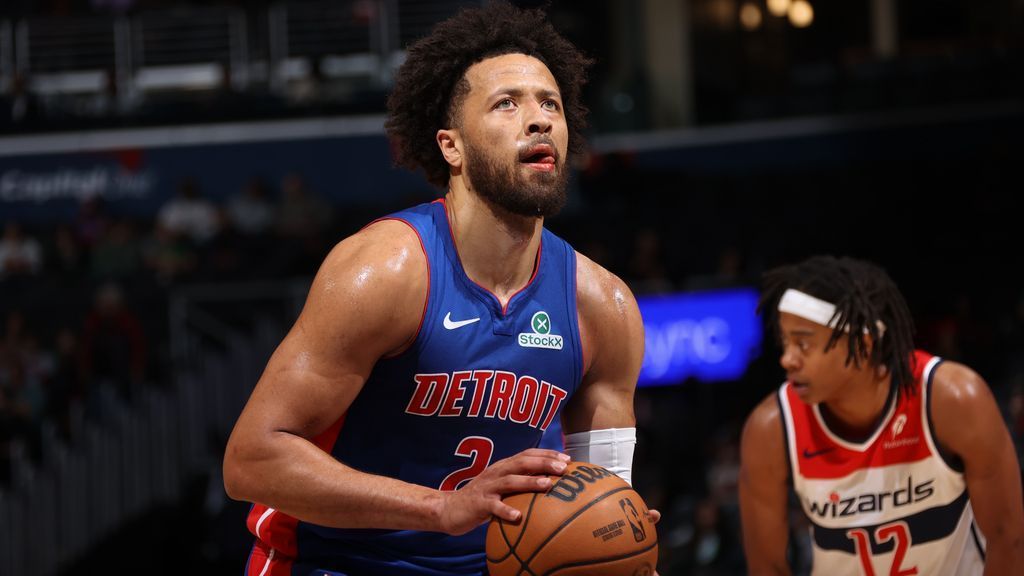
Detroit Pistons guard Cade Cunningham is set to return Wednesday night against the Milwaukee Bucks after an 11-game abse...
Spurs Suffer Double Blow: Wembanyama and Castle Out With Injuries
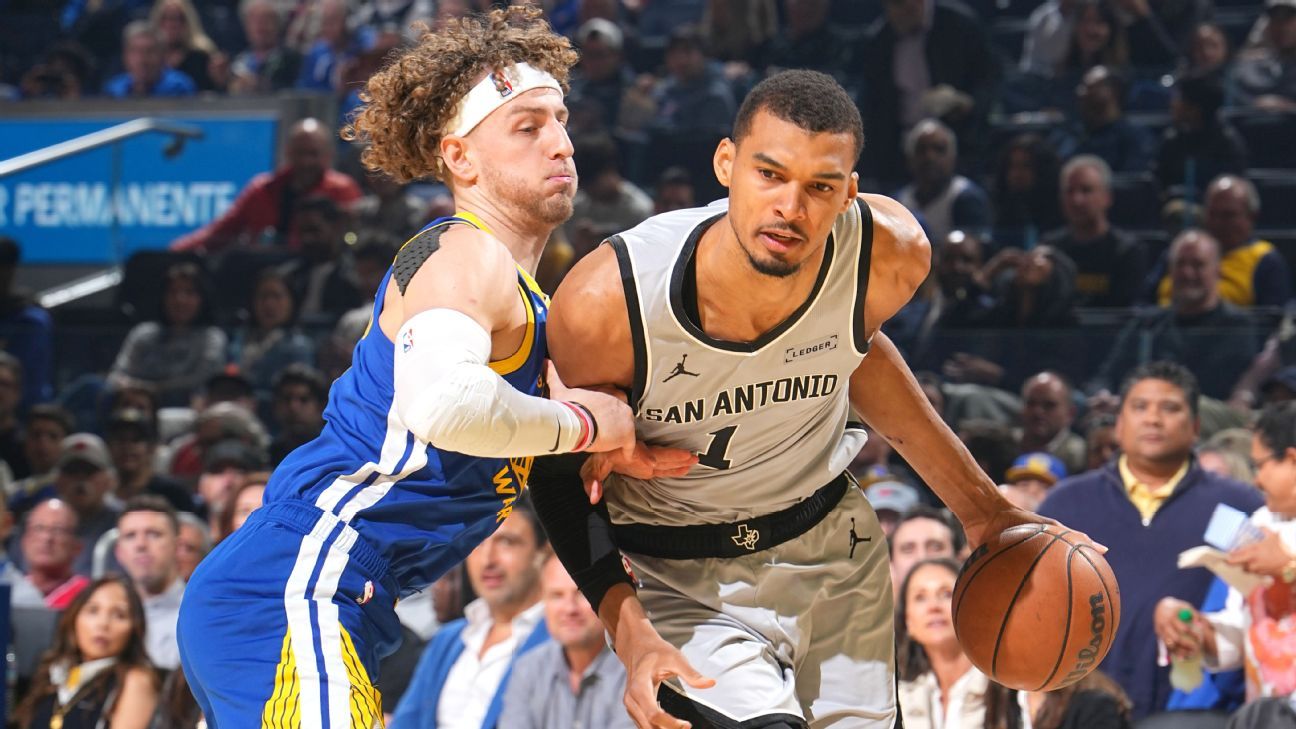
San Antonio Spurs stars Victor Wembanyama and Stephon Castle were sidelined for Wednesday's game due to rib contusion an...
DCU Shocker! James Gunn Crushes Wonder Woman Casting Hopes for 'Superman' Sequel

A casting search for a key role in James Gunn's upcoming DCU film 'Man of Tomorrow' has been mired in online speculation...
Netflix Unleashes 'Extraction 3' Confirmation! Get Ready for More Action!

Netflix has officially greenlit "Extraction 3," confirming Chris Hemsworth's return as Tyler Rake and Sam Hargrave as di...
The Boys Saga Concludes! Jack Quaid Gears Up for New Horizon as Series Finale Looms

Jack Quaid reflects on a transformative year, balancing diverse roles and the final season of <i>The Boys</i>. He discus...
Daredevil: Born Again Shocker! Showrunner Teases Pivotal Episode 5 Amidst [SPOILER]'s Fate Mystery
![Daredevil: Born Again Shocker! Showrunner Teases Pivotal Episode 5 Amidst [SPOILER]'s Fate Mystery](https://static0.colliderimages.com/wordpress/wp-content/uploads/2026/03/daredevil-born-again-season-2-dario-scardapane-sana-amanat-interview-youtube.jpg?w=1600&h=900&fit=crop)
Daredevil: Born Again Season 2 blurs the lines between hero and villain as Daredevil is hunted and Kingpin leverages Cit...
Is a Diabetes Cure on the Horizon? Experts Hint at Breakthrough Jab!

A groundbreaking single-jab gene therapy, KRIYA-839, is entering human trials with the potential to offer a 'functional ...
NHS on the Brink: Junior Doctor Strikes Rack Up Staggering £3 Billion Bill!
The latest junior doctors' strike, their 15th since 2023, is costing the NHS billions and severely impacting patient car...


