Tanzania Election Chaos Unleashes Fear and UN Alarm
Tanzania’s 2025 general elections have spiraled into unrest marked by protests, killings, and a total internet blackout prompting urgent warnings from the United Nations over alleged state violence and human rights abuses.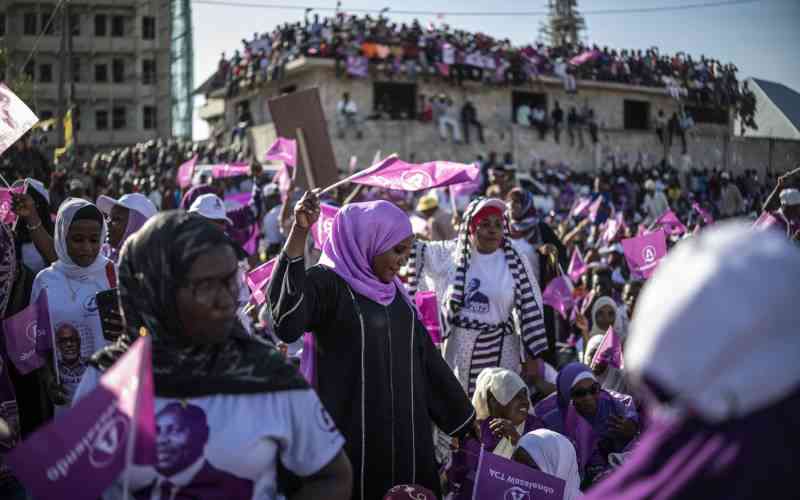
Tanzania has descended into a deep political crisis following its October 29 general elections, with widespread unrest, communication shutdowns, and mounting allegations of state repression. President Samia Suluhu Hassan, facing accusations of orchestrating a campaign of intimidation, moved to consolidate her power amid largely uncontested polls that saw major opposition figures either imprisoned or disqualified from participation.
Chaos erupted across Dar es Salaam and other major cities as hundreds of protesters tore down Hassan’s campaign posters and clashed with police officers near polling stations. The violence escalated rapidly, forcing authorities to impose a curfew and trigger a nationwide internet blackout. Witnesses reported continued unrest into October 30, with demonstrations spreading to Sinza and Dodoma. In Namanga township, police reportedly opened fire on civilians, killing two people.
By Friday, October 31, Tanzania’s internet had been blocked for a third straight day, a move that effectively cut off journalists, human rights observers, and citizens from the outside world. The government’s clampdown extended to a ban on foreign media coverage, leaving the true extent of fatalities unclear. Hospitals and clinics, according to local sources, were allegedly warned against speaking to reporters. President Hassan remained silent, while army chief Jacob Mkunda broke the official silence, controversially branding protesters as “criminals,” in comments reported by Reuters.
Zanzibar, the semi-autonomous island, emerged as the epicenter of dispute after Hassan’s ruling Chama Cha Mapinduzi (CCM) party was prematurely declared the winner of local elections. The opposition ACT-Wazalendo party immediately rejected the outcome, claiming massive electoral fraud. Party officials cited ballot stuffing, multiple voting without identification, and the expulsion of opposition observers from counting rooms. In a strongly worded statement, ACT-Wazalendo said Zanzibaris had been “robbed of their voice” and called for an immediate re-run of the elections.
Analysts say the unrest underscores growing fears of authoritarianism under Hassan’s rule. Since succeeding John Magufuli in 2021, she has faced criticism for perpetuating some of her predecessor’s hardline tactics. In the run-up to the polls, her government banned the main opposition party, Chadema, and prosecuted its leader, Tundu Lissu, on treason charges. Rights groups have also denounced what they describe as a “wave of terror,” involving abductions and intimidation of critics. Public anger has been further stoked by accusations against Hassan’s son, Abdul Halim Hafidh Ameir, who has been linked to aspects of the crackdown.
The United Nations intervened on Friday, October 31, urging Tanzanian security forces to show restraint and halt the use of excessive force. The UN Human Rights Office reported credible accounts of killings and injuries in Dar es Salaam, Morogoro, and Shinyanga, where security officers allegedly fired live rounds and deployed tear gas. In a statement carried by UN News, spokesman Seif Magango called for immediate de-escalation, restoration of internet access, and protection of citizens’ rights to peaceful protest and free expression.
The opposition Chadema party alleged that as many as 700 people may have been killed during three days of protests a claim yet to be independently verified. The UN demanded transparent investigations into all incidents of election-related violence, the release of arbitrarily detained individuals, and the prosecution of those responsible. International watchdogs have since raised alarms over the shrinking civic space in Tanzania, warning that the country risks sliding back into the dark shadow of authoritarian control unless democratic norms are urgently restored.