Startups And Bureaucracy: The Shutdown of Kenya’s Bioethanol Pioneer
KOKO Networks, one of Kenya’s leading clean tech startups, has shut down. Its closure raises critical questions about climate policy, carbon credit regulation, and whether governments are doing enough to support startups serving low-income communities. Click to read the full story behind its shutdown.
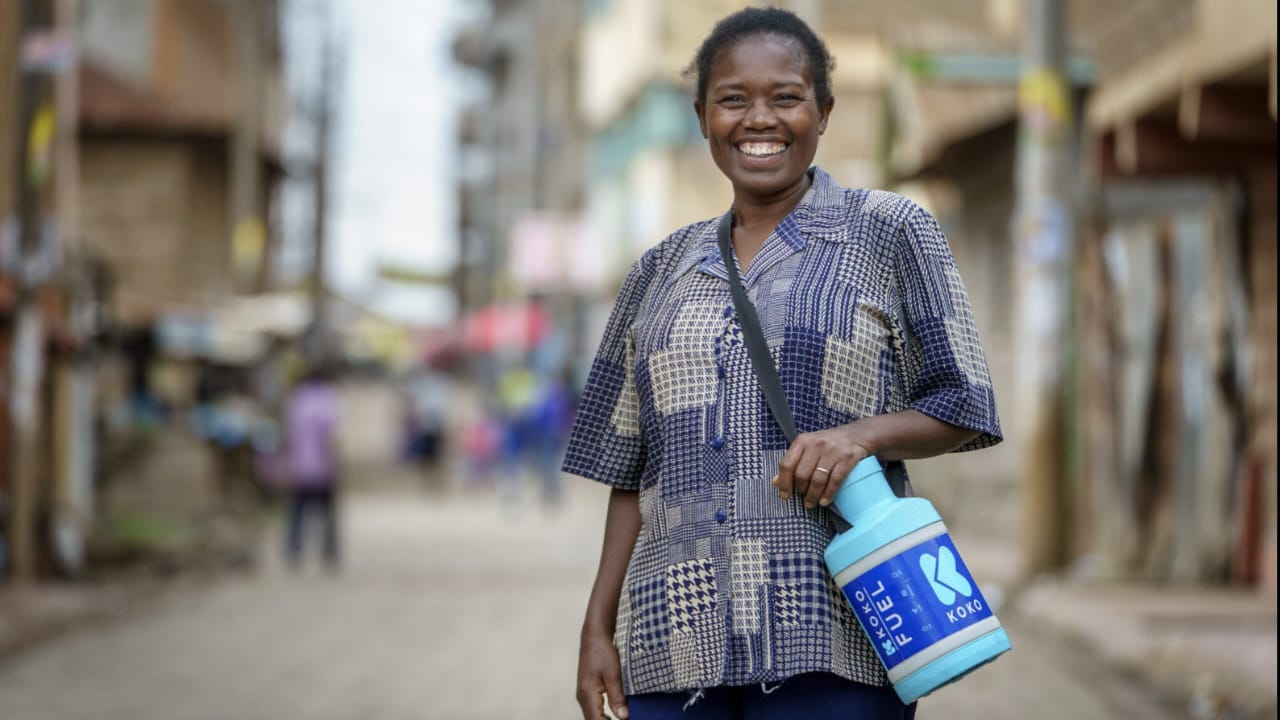
I was scrolling the internet days back when I came across a video being made by someone announcing the shutdown of KoKo Networks—a cooking fuel and equipment company headquartered in Nairobi, Kenya.
It primarily provides bioethanol as cooking fuel to customers to replace charcoal fuel.
Kenya as a nation has spent the last decade positioning itself as Africa’s climate innovation capital, from geothermal leadership to solar mini-grids and electric mobility, the country has consistently attracted global climate capital.
In fact, clean technology accounts for one of the largest shares of venture funding in Kenya, making it a cornerstone of the country’s startup ecosystem.
That is why the shutdown of KOKO Networks, one of Kenya’s most prominent clean tech startups, feels deeply emotional and contradictory.
KOKO Networks was not a marginal experiment, the company raised over $100 million from global investors to tackle one of East Africa’s most persistent problems: unsafe and environmentally damaging cooking methods.
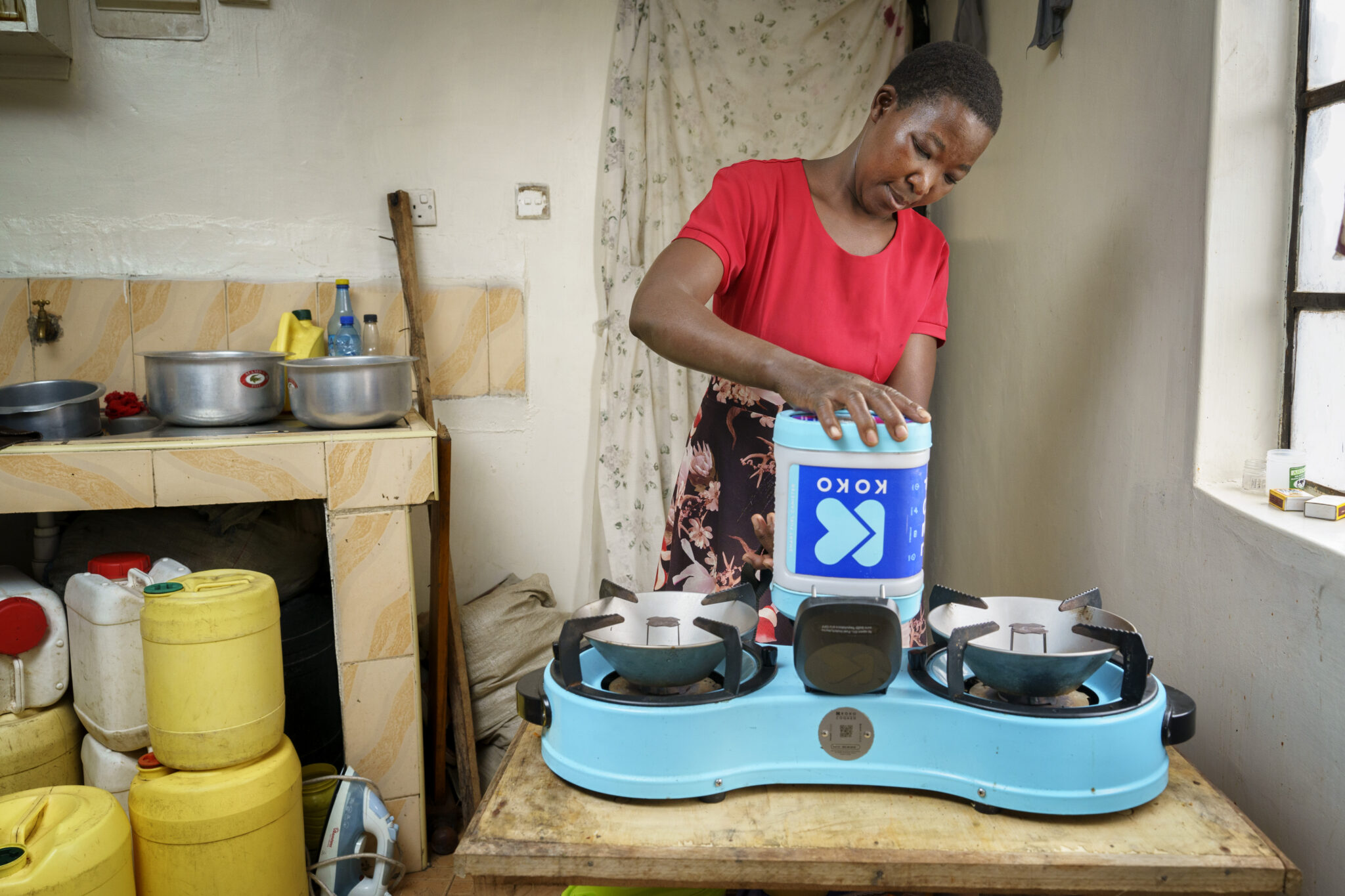
In Kenya, a significant percentage of low-income households rely on charcoal and kerosene for cooking, fuels associated with deforestation, indoor air pollution, and severe health risks, particularly for women and children.
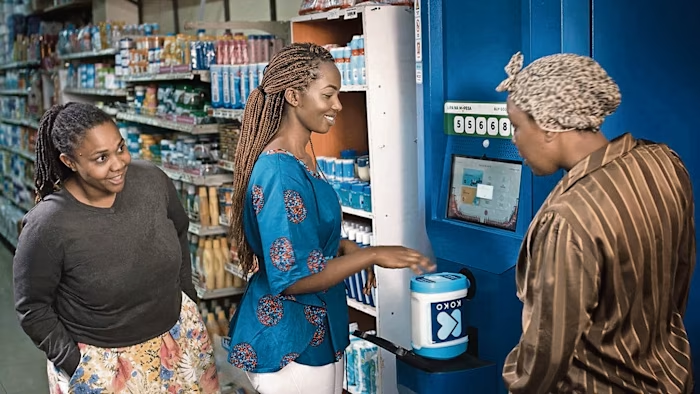
KOKO’s solution was interestingly simple but technologically sophisticated. The company developed a bioethanol-based cooking system—modern, clean-burning stoves connected to a smart fuel distribution network installed in neighborhood shops.
By subsidizing the cost of both the stove and the ethanol fuel, KOKO made clean cooking accessible to low-income families. The affordability was not accidental, it was strategic and curated for the everyday realities of the average kenyan.
The business model relied on carbon credits, by replacing charcoal with bioethanol, KOKO significantly reduced carbon emissions and indoor air pollution.
These emissions reductions could be quantified and converted into carbon credits, essentially environmental offsets sold on international markets to corporations seeking to balance their carbon footprint.
The revenue from these credits was meant to sustain the subsidies and scale the model nationally.
But when the company required a Letter of Authorization from the Kenyan government to trade those carbon credits internationally, it reportedly did not receive it.
Without access to carbon markets, the financial engine of the business stalled and without that revenue stream, the subsidized model became unsustainable.
The result of all of this was shutdown.

What Kenya Is Losing From KOKO Being Closed Down
The collapse of KOKO Networks is not just the failure of a startup, it represents a setback in public health, environmental protection, and economic inclusion.
First, low-income households stand to lose the most in all of this, charcoal remains one of the leading causes of deforestation in Kenya, while indoor air pollution from solid fuels contributes to respiratory diseases and premature deaths.
Clean cooking solutions are not luxury products, they are public health interventions for everyone and the environment at large. KOKO’s bioethanol system provided a safer alternative without requiring households to absorb the full cost of transition.
Second, there is the environmental dimension of this whole issue. Kenya has ambitious climate commitments under global agreements and continues to brand itself as a clean energy investment destination.
The country has attracted substantial funding into clean tech, with climate-focused startups forming a dominant share of venture capital inflows in recent years.
Shutting down a flagship clean cooking innovator sends mixed signals to international investors evaluating regulatory stability.
Third, there is the matter of scale for a startup of its kind. KOKO was not just distributing stoves, it was building infrastructure that seemed to be sustainable.
The company had rolled out a dense retail fuel network across urban centers, integrating technology, logistics, and community distribution.
This kind of systems-level innovation is difficult to replicate quickly, the long-term ambition was national penetration, making bioethanol the default urban cooking fuel and eventually expanding into other markets.
The shutdown has interrupted that trajectory.

Beyond the immediate impact of all of this, the larger issue is structural.
Carbon credit markets are complex and highly regulated. Governments must issue approvals to ensure transparency and prevent exploitation.
However, when a clean tech company’s viability depends on participation in those markets, prolonged administrative delays can be fatal.
Kenya has repeatedly expressed its ambition to be Africa’s clean energy hub. In 2023 and 2024, climate and clean tech startups captured a dominant share of equity funding flowing into the country.
If nearly half of venture capital inflows are directed into climate-focused ventures, policy alignment becomes essential.
The optics matter, investors usually assess regulatory risk as much as market potential. When a well-capitalized, mission-driven company collapses due to administrative roadblocks tied to carbon trading approvals, it introduces uncertainty into the ecosystem.
The question, then, is not whether carbon markets should be regulated, they absolutely should be. The question is whether regulatory processes are sufficiently agile to support innovation while maintaining oversight.
Innovation Needs Regulation, But It Also Needs Support

Startups operate within fragile margins, even those that raise nine-figure funding rounds are rarely profitable in their early years.
Their survival depends on predictable policy environments, especially when their business models align with national priorities like climate action and energy access.
Governments have a legitimate responsibility to safeguard public interest, but when a startup is advancing cleaner energy, reducing deforestation, improving public health, and attracting international capital, the state’s role should not be passive or obstructive. It should be enabling for the growth of the said startup, because the role of startup and the vision of the founder is to bring practical solutions.
This is particularly true in emerging markets, in this context where climate innovation is not just a commercial opportunity but a developmental necessity.
Clean cooking alone sits at the intersection of environmental protection, women’s health, rural livelihoods, and urban sustainability.
Kenya’s aspiration to lead Africa’s clean tech revolution is credible, the country has strong entrepreneurial talent, a vibrant venture ecosystem, and global visibility.
But leadership in climate innovation requires more than capital inflows, it requires regulatory coherence and timely institutional support.
The shutdown of KOKO Networks raises an uncomfortable but necessary question: can Africa’s climate ambitions survive without synchronized policy frameworks?
If governments want startups to solve public challenges, energy access, emissions reduction, health inequities, then those startups must operate within a system that recognizes their strategic value.
Regulation should guard against exploitation, but it should also accelerate legitimate innovation.
Because when a clean tech pioneer falls, the loss is not confined to balance sheets. It is measured in families struggling, lost jobs, delayed climate progress, investor hesitation, and households returning to smoky kitchens.
And that is a cost no emerging innovation hub can afford in such critical times that we are in.