Starbucks Shockwave: 250 Stores to Close Nationwide as Coffee Giant Retools Strategy
Starbucks is closing approximately 250 North American stores, including three on Long Island, as part of a strategic turnaround. The closures address underperforming locations and are a component of the "Back to Starbucks" initiative, aimed at revitalizing customer experience and financial health after recent sales slumps. This strategy emphasizes enhanced in-store environments and has already shown positive impacts on same-store sales.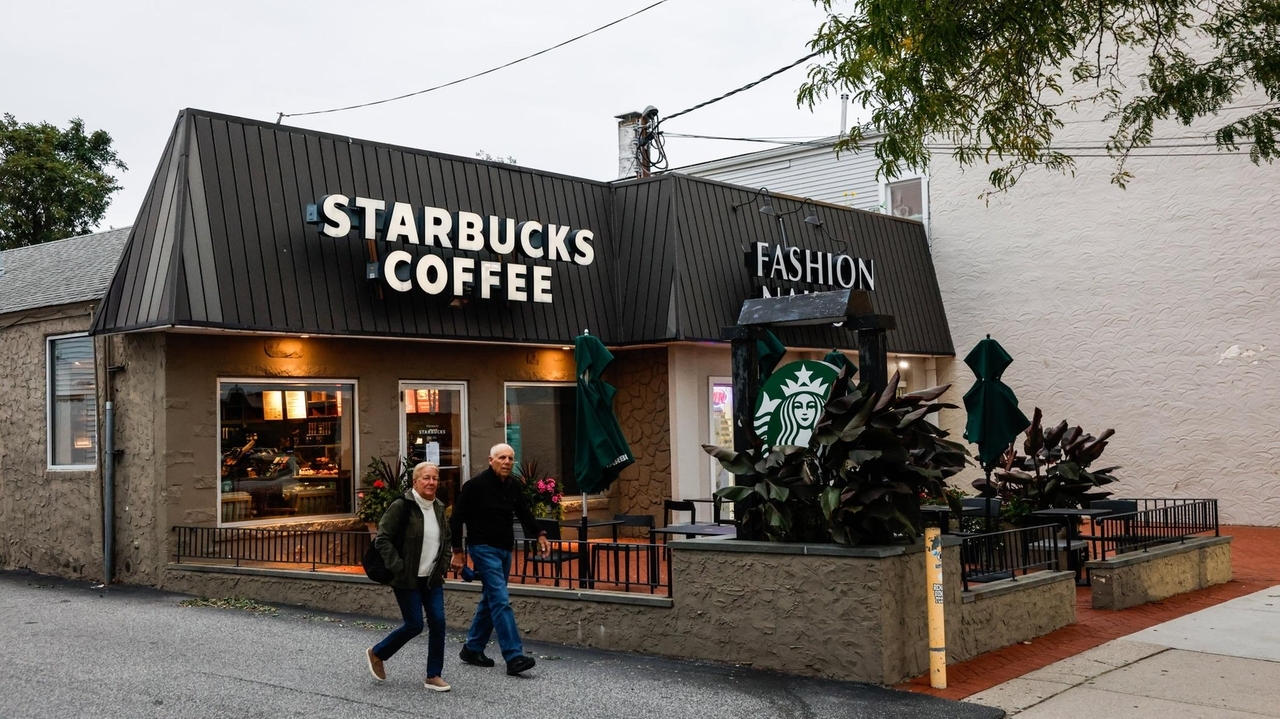
Starbucks is implementing a significant restructuring of its North American operations, which includes the closure of approximately 250 stores across the U.S. and Canada. These closures, representing about 1% of the more than 18,000 company-operated and licensed Starbucks shops in North America, mark the second round of shutdowns announced within a year. Among the affected locations are at least three stores on Long Island – specifically in Commack (125 Crooked Hill Rd.), Greenvale (114 Northern Blvd.), and Islip (455 E. Main St.) – which are slated to close permanently this Saturday evening. Letters informing employees and customers of the impending closures have been posted on the doors of these impacted stores.
This wave of store closures comes as Starbucks continues its "Back to Starbucks" turnaround strategy, initiated in September 2024, following a challenging period marked by sales slumps in both fiscal years 2024 and 2025. During this period, North American same-store sales for locations open at least one year fell 2% compared to the prior year in both fiscal years. The underperforming stores, as described by Starbucks Corp.’s Chief Operating Officer Mike Grams in a letter to employees, were identified as locations unable to consistently deliver the desired customer and partner experience or achieve acceptable financial performance. CEO Brian Niccol had previously indicated in September 2025 that the company's North American store count would decline by about 1% in fiscal year 2025, alongside the elimination of approximately 900 nonretail jobs.
The challenges faced by the world's largest coffee chain stemmed from several factors, including heightened competition from both independent and national coffee retailers, and a general cutback in discretionary consumer spending. Additionally, in the aftermath of the COVID-19 pandemic, Starbucks experienced a decline in customer demand attributed to higher drink prices and longer wait times, largely due to an influx of complicated, highly customized mobile orders. An equity analyst for Morningstar Equity Research, Ari Felhandler, noted that previous leadership's response of instituting discounting proved to be a misstep, as it diluted the brand’s value.
To counteract these issues and reestablish Starbucks as the quintessential community coffeehouse, the "Back to Starbucks" strategy focuses heavily on enhancing the in-store experience. Key elements of this redesign, which has seen over 1,000 U.S. and Canadian stores remodeled since mid-2025, include adding more seating, creating warmer lighting, and fostering cozier interiors. Practical updates like the return of power outlets, accessible condiment bars, and markers for baristas to write messages on cups have been implemented in U.S. stores. Furthermore, ceramic mugs and glassware are now offered for patrons enjoying their beverages in-store, and espresso bars are being modernized. These changes represent a concerted effort to revive Starbucks' reputation as a "third place" – a welcoming environment distinct from home or work where people can socialize and linger.
The strategic adjustments appear to be yielding positive results. Felhandler's analysis suggests that the current leadership's emphasis on the café experience, menu innovation, and simplification is paying off. This is evidenced by significant growth in North American same-store sales during fiscal year 2026, with increases of 4% in the first quarter, 7.1% in the second quarter, and 8.1% in the third quarter. The closure of 250 stores is viewed as a crucial step in "repositioning its assets to boost the health of its footprint and ensure a consistent experience," as Felhandler explained. He posits that sales from closed stores are not entirely lost, as many consumers transition to nearby locations, contributing to approximately half of the last quarter's comparable sales growth. Starbucks has approximately 90 stores on Long Island, and impacted employees will be offered opportunities to transfer to other stores, or may be eligible for severance packages including current pay and benefits through at least October 4th.