Zambia Charts Economic Future: Groundbreaking Green Paper Approved for 2027-2029 Budget
Zambia's Cabinet has approved the Green Paper for its 2027-2029 Medium-Term Budget Plan, outlining macroeconomic goals and fiscal strategies to achieve six percent economic growth. Despite positive projections, concerns over an El Niño-induced drought led to resolutions for strengthening fiscal buffers and domestic revenue mobilization. Citizens are invited to provide input on the plan, which aligns with the Grow Zambia Agenda and aims for private sector-led development and food security.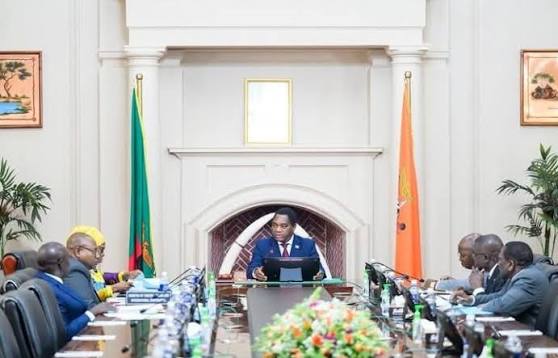
Zambia's Cabinet, during its second meeting of President Hakainde Hichilema’s second term held at State House on Tuesday, September 22, 2026, officially approved the Green Paper on the 2027-2029 Medium-Term Budget Plan. This pivotal document outlines the nation's macroeconomic objectives, fiscal policies, strategic approaches, and financial targets for the upcoming 2027 budget and the subsequent medium term. The deliberations were firmly rooted in policy matters aimed at fostering national economic development, with a strong emphasis on the comprehensive Grow Zambia Agenda.
The Cabinet expressed a positive outlook on Zambia's economic trajectory for 2027 and the medium term, projecting an average economic growth rate of six percent. This optimistic forecast is underpinned by a robust macroeconomic and fiscal policy framework designed to enhance investor confidence, stimulate private sector participation, and drive overall economic transformation. Key sectors anticipated to spearhead this growth include agriculture, mining, construction, wholesale and retail trade, Information Communication Technology (ICT), and financial and insurance services.
However, despite the positive projections, Cabinet members voiced concerns regarding potential risks to this outlook. A primary concern identified was the anticipated El Niño-induced drought during the 2026/2027 agricultural season. Such an event could significantly constrain the nation's fiscal space and impede the effective implementation of crucial government programmes and projects. To counter these potential challenges, Cabinet agreed upon a strategy to strengthen fiscal buffers and proactively implement mitigating measures against any eventualities that could disrupt the successful execution of the Growth Agenda.
In terms of revenue generation, Cabinet resolved to initiate the implementation of the 2027-2031 Medium-Term Revenue Strategy. This strategy is fundamentally geared towards achieving increased and sustainable domestic revenue mobilisation. Specific measures outlined include the reinforcement of tax administration, broadening the national tax base, rationalising existing tax incentives and exemptions, rolling out a digital National Registration Card (NRC) system, and integrating various government systems and public service payments through a unified Government Service Bus.
Regarding financing, the government affirmed its commitment to continue mobilising both domestic and external resources, strictly in accordance with the established Medium-Term Debt Strategy. This approach prioritises concessional financing avenues and involves undertaking strategic liability management operations. The aim of these operations is twofold: to alleviate refinancing pressures and to effectively manage debt-related risks. Furthermore, the rigorous implementation of Annual Borrowing Plans will be maintained to enhance transparency and predictability in the nation's financial dealings.
On the expenditure front, Cabinet determined that government resources would be strategically prioritised towards investments and reforms. These initiatives are specifically designed to foster private sector-led growth, boost productivity, promote economic diversification, encourage value addition across sectors, and ultimately create job opportunities for citizens. These expenditure priorities are set to be executed in alignment with the overarching Grow Zambia Agenda, further supported by the objectives laid out in the 9th National Development Plan and the long-term Vision 2030.
Reiterating its commitment to national well-being, Cabinet underscored the government’s unwavering resolve to ensure the country's food security, particularly in light of the forecasted El Niño event that is expected to impact the 2026/2027 farming season. Finally, in a move towards inclusive governance, citizens and various stakeholders were strongly encouraged to submit their comments and feedback on the Green Paper once it is officially issued by the Ministry of Finance and National Planning on September 26, 2026.