EgyptAir Deploys New Airbus A350 on European Routes in Fleet Modernisation Push
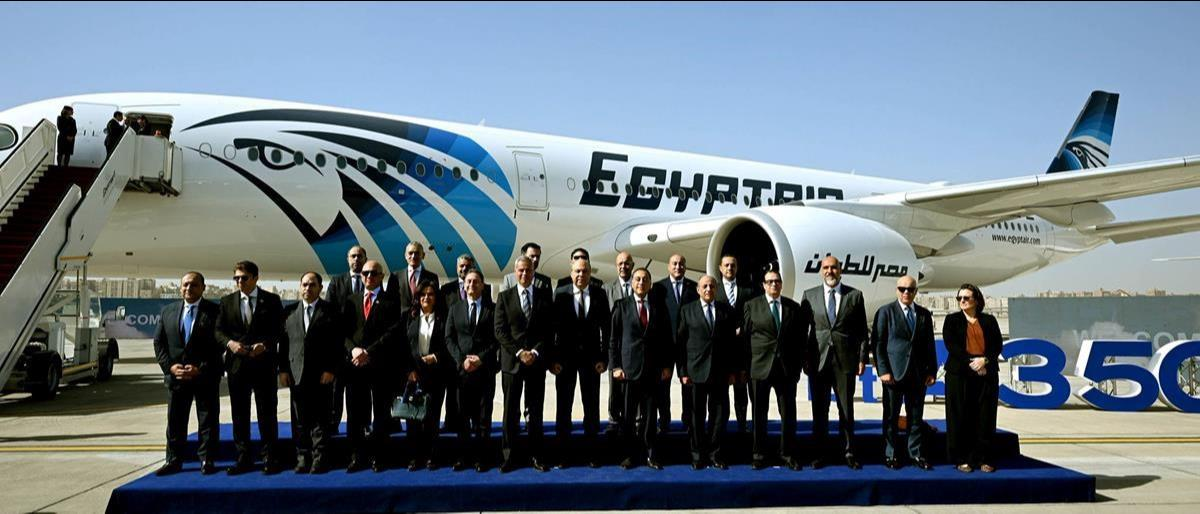
EgyptAir is deploying its new Airbus A350 on European routes for the first time, marking a major step in the airline’s fleet modernization and Africa–Europe connectivity.
EgyptAir is set to deploy its newly acquired Airbus A350 on a European route for the first time this week, marking an important milestone in the airline’s fleet modernization program.
The move expands the aircraft’s operations beyond its initial regional services and signals the airline’s plan to strengthen connectivity between Africa and Europe.
Gradual Rollout After Initial Regional Operations
The A350 entered EgyptAir’s fleet about a month ago and was initially used on short regional routes.
This allowed pilots, cabin crew, and ground teams to become familiar with the aircraft’s advanced systems before its deployment on longer international flights.
The phased introduction reflects a cautious strategy designed to ensure smooth operations before expanding the aircraft’s role within the airline’s long-haul network.
Strengthening Africa–Europe Travel Links
EgyptAir plays an important role in connecting African travelers to global destinations through its Cairo hub.
The airline links numerous African cities with Europe, the Middle East, and Asia, making Cairo a major transit point for international passengers.
Introducing the A350 on European routes is expected to improve the travel experience for passengers while strengthening EgyptAir’s position in the competitive Africa–Europe aviation market.
Improved Passenger Comfort and Efficiency
The Airbus A350 is one of the newest long-haul aircraft in commercial aviation.
Passengers benefit from larger windows, quieter cabins, improved air quality, and better cabin pressure, all designed to enhance comfort on long journeys.
The aircraft is also significantly more fuel-efficient than many older widebody jets, helping airlines reduce operating costs and environmental impact.
Part of EgyptAir’s Long-Term Fleet Strategy
EgyptAir plans to gradually expand the use of the A350 across its network as additional aircraft are delivered.
The airline views the aircraft as a key part of its long-haul strategy, helping streamline maintenance, crew training, and operations while providing a consistent passenger experience.
Industry observers note that such fleet modernization programs typically unfold over several years as airlines gradually introduce new aircraft types.
Boost for Tourism and Aviation Growth
The expansion comes as Egypt continues to strengthen its tourism sector and aviation infrastructure.
Improved aircraft technology and expanded international routes are expected to support growing travel demand between Africa and Europe.
As EgyptAir continues introducing new aircraft into service, the airline’s modernization efforts could play a major role in shaping future travel across the continent.