Six African Countries That Could Take a Shot at Hosting the FIFA World Cup
It takes more than a big stadium to host the FIFA World Cup. Which African countries have the infrastructure to go head-to-head with the demands of the world's biggest football tournament?
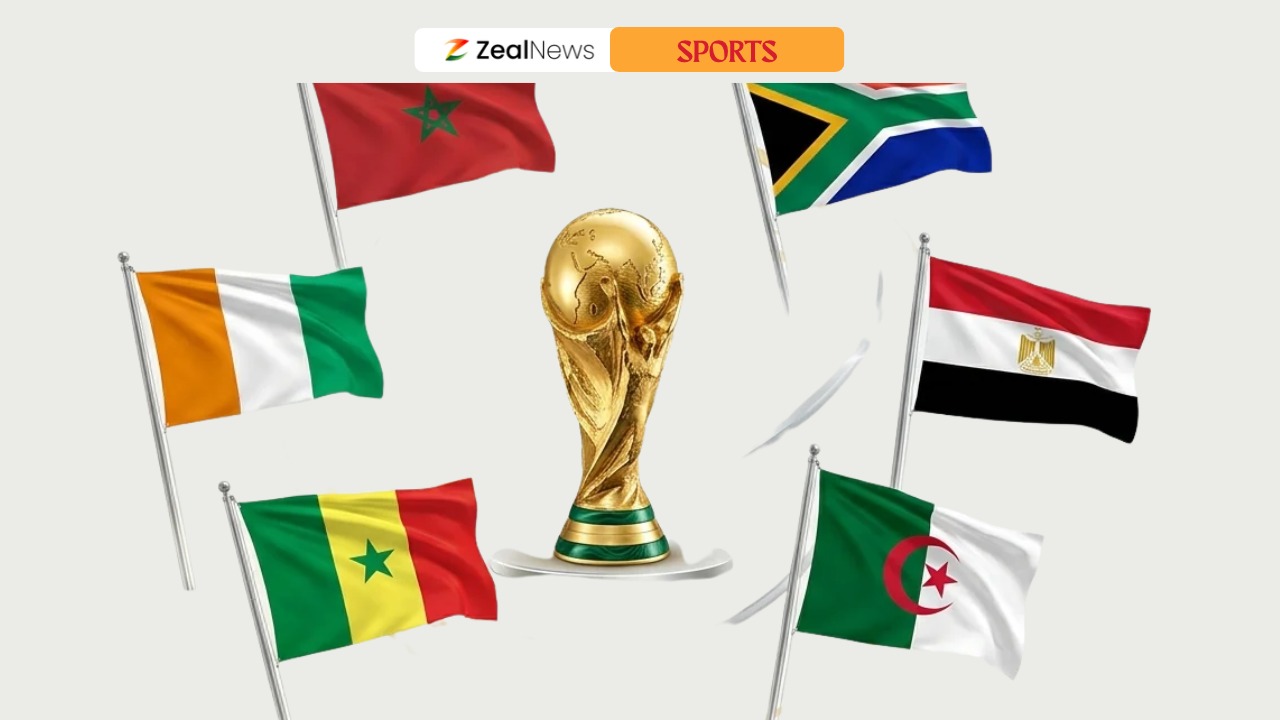
Africa does not need lessons in football energy. Give the continent a big match and the noise, colour and passion will arrive. But hosting the FIFA World Cup is a different assignment. It takes more than loyal fans, a famous team or one impressive stadium.
FIFA’s 2026 bidding guide set indicative capacities of 40,000 seats for most matches, 60,000 for semi-finals and 80,000 for the opening match and final. It also listed 48 team base-camp hotels and 48 training sites.
Airports, transport, security, healthcare, broadcasting and government guarantees matter too. FIFA needs a whole-country operation, not just a football party.
Which African countries have the strongest foundations for a future bid? These six are worth watching, although not all meet every requirement today.
1. Morocco: Already in FIFA’s serious-bid conversation
Morocco submitted a bid for the 2026 World Cup, proposing 14 stadiums across 12 cities. FIFA’s evaluation found that it passed the minimum threshold to move forward. Morocco had put a detailed plan on the table and FIFA assessed it.
But it was not a case of “everything is ready, come through.” Nine proposed stadiums needed to be built, while the existing five required major renovation or reconstruction.
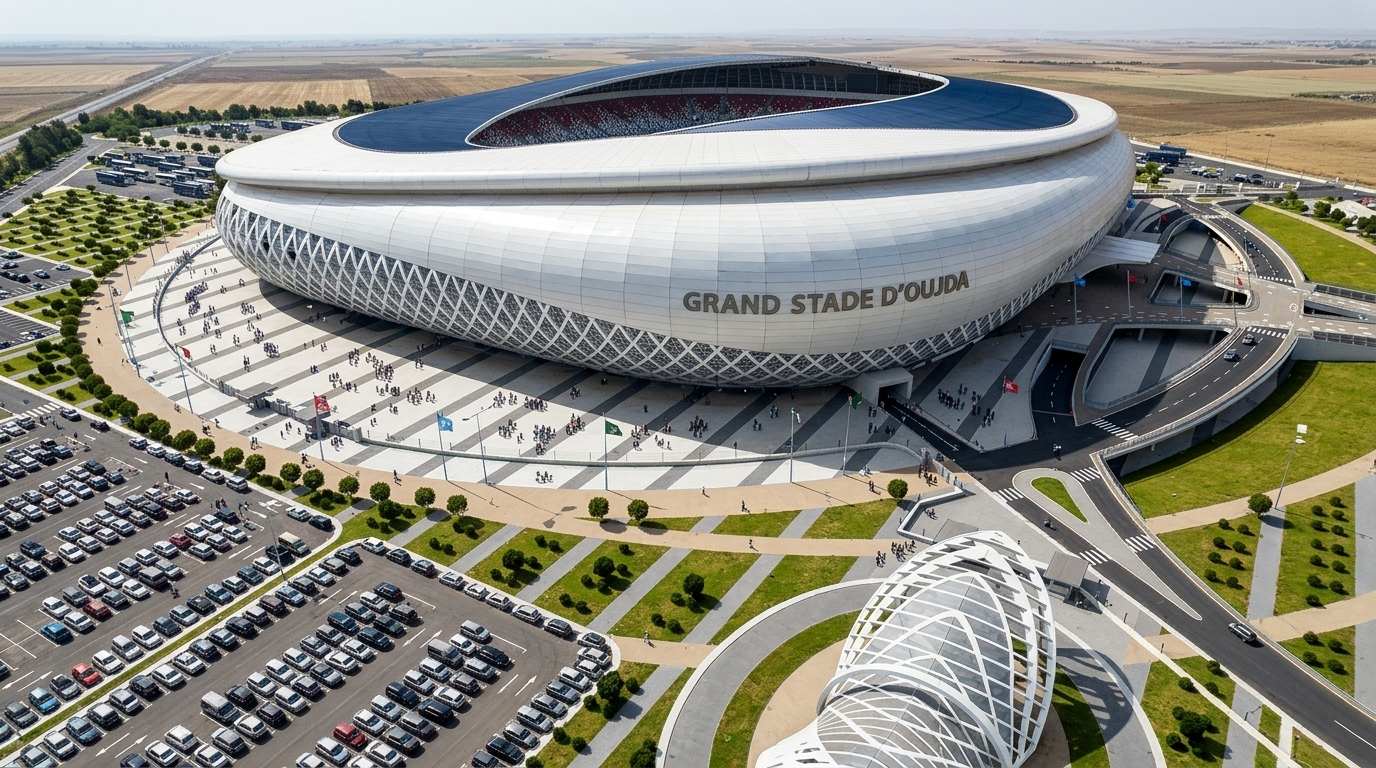
Training facilities also needed significant work. FIFA was assessing what Morocco promised to deliver, not simply what was already standing.
Morocco will co-host the 2030 tournament with Spain and Portugal. It is the strongest example here because it has secured hosting rights. Now it has to deliver.
2. South Africa: Been there, hosted that
South Africa has something no other African country can put on its World Cup CV: it hosted the men’s tournament in 2010. Ten stadiums across nine cities made it the first World Cup held on African soil.
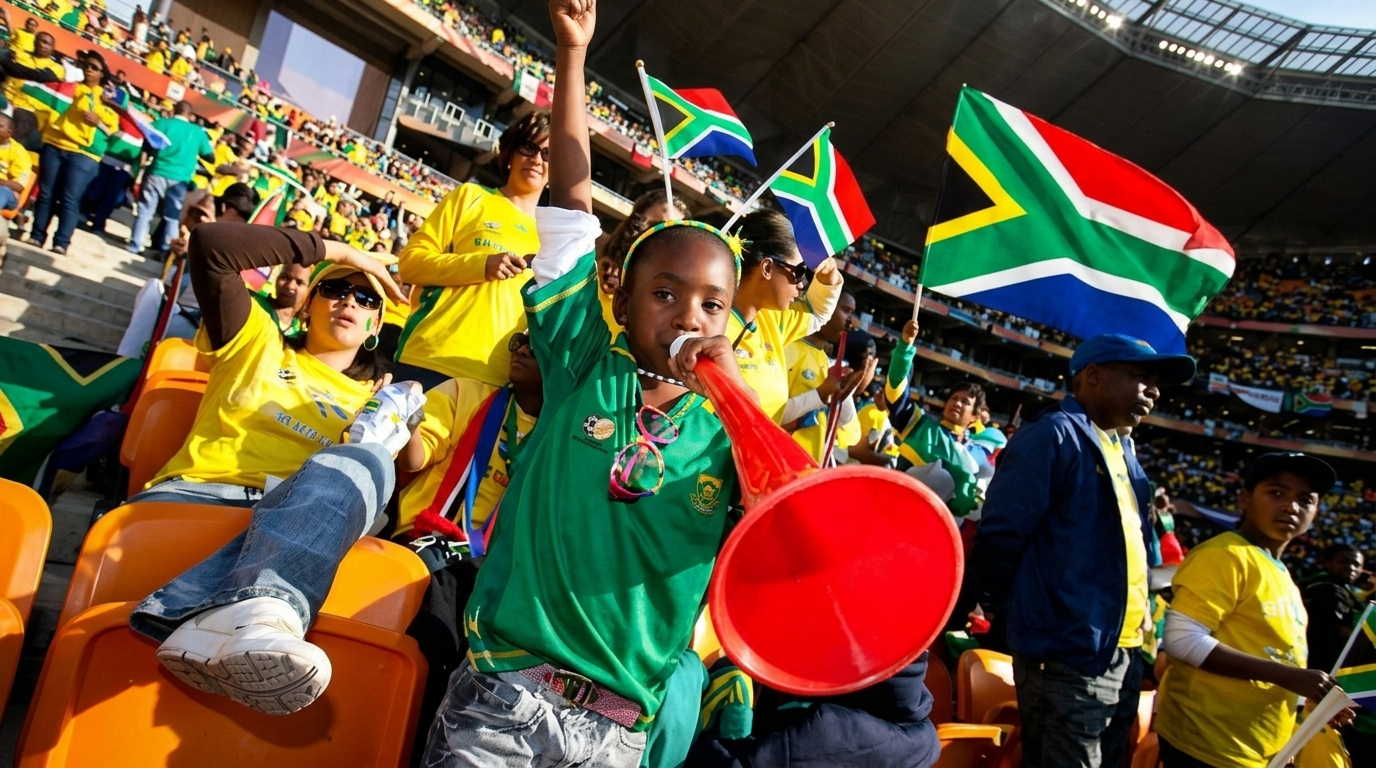
FNB Stadium, Cape Town Stadium, Moses Mabhida Stadium and Ellis Park were among the venues. It also has major airports, established hotels and experience managing teams, media and huge crowds.
But a 2010 success is not an automatic ticket to host again. The 2026 tournament has 48 teams and 104 matches. A future bid would need fresh checks of stadiums, training sites, hotels and transport.

South Africa has proved it can do the job, but must show it can handle the bigger version.
3. Egypt: Stadium capacity is not the problem
Egypt has some seriously large venues. Cairo International Stadium holds about 75,000 spectators, Borg El Arab about 86,000, and the New Administrative Capital’s Misr Stadium around 94,000. Several exceed FIFA’s capacity benchmarks.
Cairo has a major international airport, a large hotel sector and experience hosting continental competitions, including the 2019 Africa Cup of Nations.
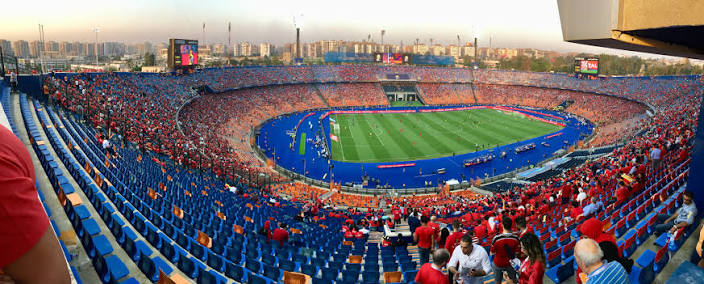
Still, three giant stadiums do not make a World Cup. Egypt needs enough qualifying venues, team hotels, training grounds and reliable transport.
Medical services, security, communications and broadcasting must also be ready. Egypt has serious building blocks, but needs a full FIFA assessment.
4. Algeria: A stadium-building streak
Algeria has been adding modern football venues to its sporting map. The 5 July 1962 Stadium, Hocine Aït Ahmed Stadium, Nelson Mandela Stadium and Miloud Hadefi Stadium are among its major grounds.
Several Algerian stadiums meet or sit close to FIFA’s 40,000-seat benchmark.
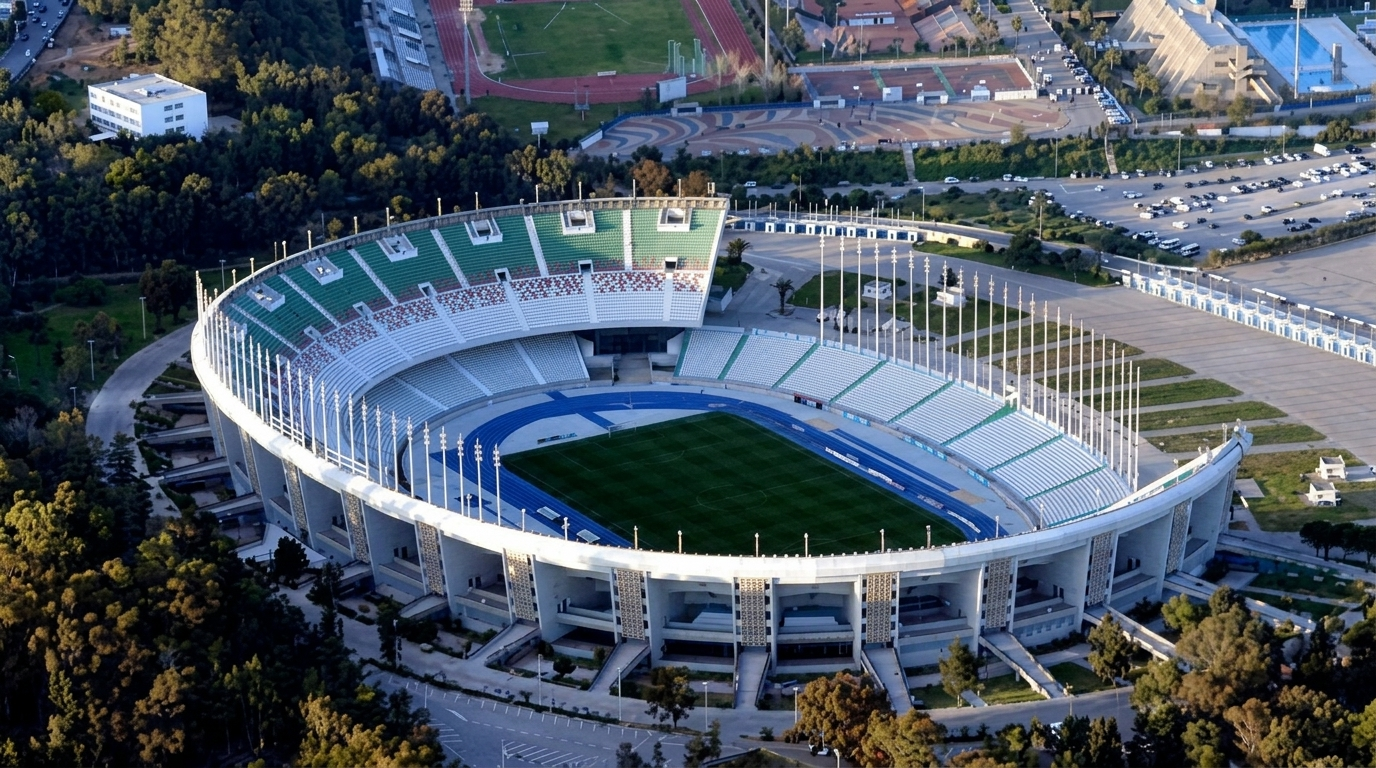
Airports serve Algiers, Oran and Constantine. The stadiums could form part of a multi-city plan.
Plot twist? A World Cup needs a deep bench. Algeria needs enough qualifying stadiums, training sites, team hotels and dependable links between host cities.
Security, healthcare, technology and event operations must also be covered. The stadium progress is real; the full network still needs proving.
5. Senegal: Two big venues and room to grow
Senegal’s football infrastructure has received a serious upgrade. Stade du Sénégal in Diamniadio holds about 50,000 people. Dakar’s renovated Léopold Sédar Senghor Stadium reopened in 2025 with a reported capacity of 60,000. That gives Senegal two substantial venues.
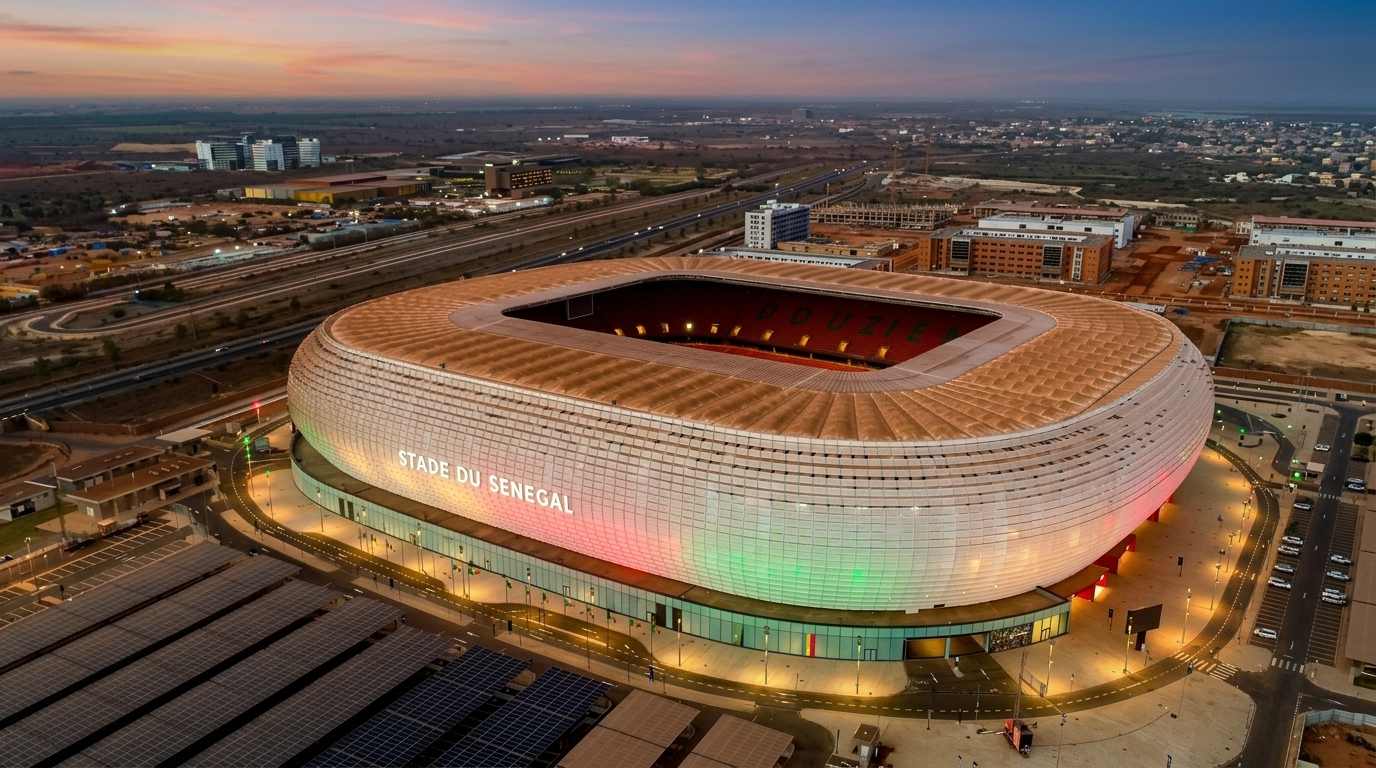
Blaise Diagne International Airport is an important gateway, while development around Diamniadio offers room for growth.
But two big stadiums are not enough for a 48-team World Cup. Senegal would need more qualifying venues, training facilities, team hotels and transport that can move supporters and teams efficiently.
It has a promising base, but it is a long-term possibility, not a country ready to submit a complete bid today.
6. Cote d’Ivoire: AFCON was a strong audition
Cote d’Ivoire showed what it could organise by hosting the Africa Cup of Nations in early 2024. Six stadiums across five cities welcomed teams, supporters and international media.
The Alassane Ouattara Stadium in Abidjan holds 60,000 spectators, while the Stade de la Paix in Bouaké holds 40,000. The other four AFCON venues had capacities between 20,000 and 33,000.
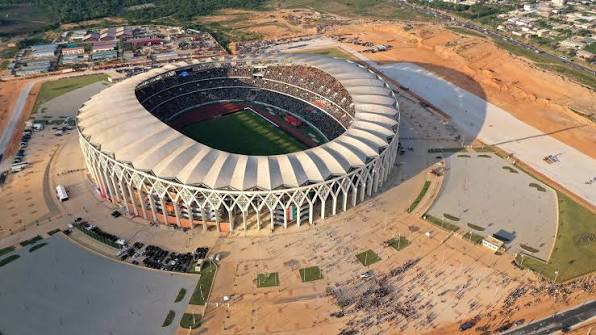
That is a solid AFCON foundation, but the numbers show the gap. Only two of the six AFCON stadiums reached FIFA’s 40,000-seat benchmark for most 2026 World Cup matches.
Côte d’Ivoire would need more large venues, hotels, training sites and transport capacity. AFCON proved it can host a major tournament. The World Cup would be a much bigger test.
So, Who Is Closest?
Morocco has the strongest documented case and will co-host in 2030. South Africa has hosted. Egypt and Algeria have large stadiums, while Senegal and Côte d’Ivoire have invested in facilities and gained experience.
But let's not hand out hosting badges based on stadium photos. FIFA looks at the whole operation: venues, hotels, training grounds, airports, roads, public services, funding and government commitments. A country can have potential without being ready today.
The exciting part is that Africa has more than one country capable of building a serious case. The reality check is that a World Cup is not won by vibes. It takes planning, money, coordination and years of delivery.
Football brings the crowd; infrastructure has to get everyone there, keep the tournament running and remain useful after the final whistle.