SHE100: Ons Jabeur, The First Arab and African Woman to Reach Grand Slam Finals
Ons Jabeur rose to international success through determination and her creative playing style. She made history by becoming the first Arab and North African woman to reach a Grand Slam final at the Wimbledon Championships in 2022 and later reached another final at the US Open, establishing herself as one of the world’s top tennis players.
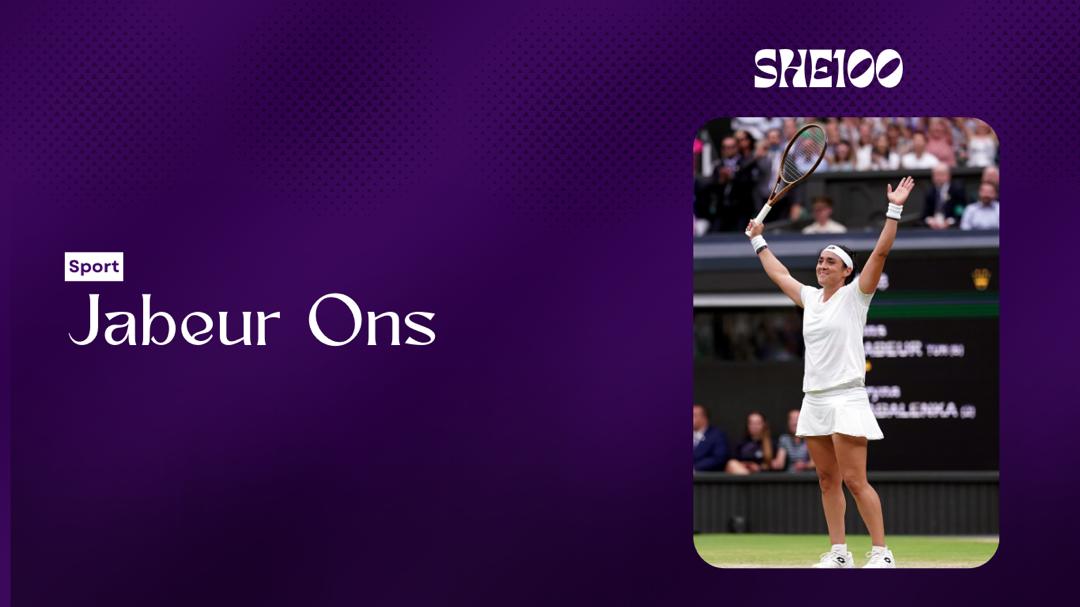
In the world of professional tennis, Ons Jabeur has emerged as one of the most inspiring and influential athletes from Africa and the Arab world.
Known for her creativity, skill, and unique playing style, the Tunisian star has captured global attention with her remarkable performances on the international stage.
She made history by becoming the first Arab and North African woman to reach a Grand Slam final, including at the Wimbledon Championships, marking a major milestone for tennis in the region.
Jabeur’s rise to the top has been a story of determination, talent, and perseverance.
Coming from a country where tennis is not as widely developed as in traditional tennis nations, she worked tirelessly to compete with the world’s best players.
Her success has not only elevated Tunisia’s presence in global tennis but has also inspired many young athletes across Africa and the Arab world to pursue their dreams in sports.
Through her achievements and charismatic personality, Ons Jabeur has become a powerful symbol of hope, representation, and excellence in international tennis.
Early Life and Passion for Tennis
Ons Jabeur was born on August 28, 1994, in Ksar Hellal, Tunisia.
Her parents names are Ridha and Samira and she has three siblings, two brothers and a sister; Hatem, Marwen and Yasmine.
Her love for tennis began at a very young age when her mother introduced her to the sport.
At just three years old, she started playing tennis at a local club, quickly showing great promise.
Jabeur trained under coach Nabil Mlika for ten years from ages four to thirteen, originally starting to work with him at a tennis promotion centre at her school.
When she was ten years old, her club did not have its own tennis courts and she could only train on courts at nearby hotels.
At twelve years old, she moved to the capital city ofTunisto train at the Lycée Sportif El Menzah, a national sport high school for the country's up-and-coming athletes, where she stayed for several years.
As she grew older, Jabeur trained intensively and participated in junior competitions.
Her dedication paid off when she won the 2011 junior girls’ singles title at the French Open, becoming the first North African woman to win a junior Grand Slam title.
This victory marked the beginning of her rise in professional tennis.
Rise to International Success

The journey of Ons Jabeur to international success did not happen overnight.
After turning professional, she spent several years competing in various tournaments around the world, gradually improving her ranking and gaining valuable experience against top players.
Through persistence, discipline, and continuous training, Jabeur steadily climbed the rankings in the Women’s Tennis Association (WTA), proving that she had the talent and determination to compete with the best players in the world.
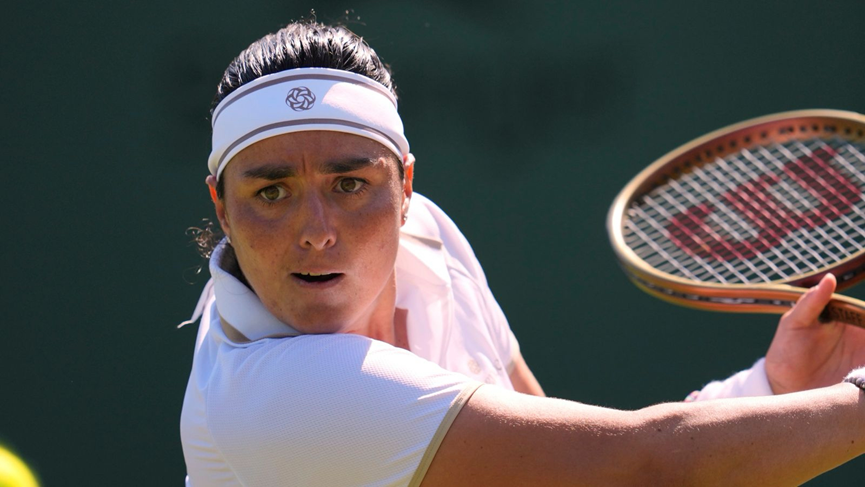
One of the qualities that sets Jabeur apart from many other players is her unique and creative playing style.
Unlike players who rely only on powerful shots, Jabeur mixes different techniques such as clever drop shots, spins, slices, and sudden changes in pace.
This unpredictable style often confuses her opponents and makes her matches exciting and entertaining for fans to watch.
Her ability to think strategically during matches has earned her praise from tennis analysts and players around the world.
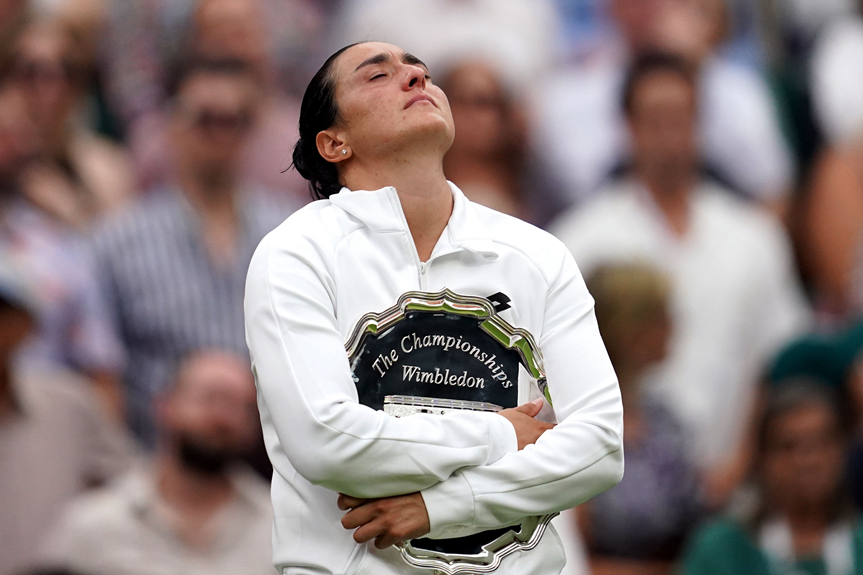
A major breakthrough in her career came in 2022, when she reached the final of the Wimbledon Championships, becoming the first Arab and North African woman in history to reach a Grand Slam singles final.
This historic achievement was a proud moment not only for Tunisia but also for Africa and the Arab world.
Later that same year, Jabeur continued her remarkable performance by reaching another Grand Slam final at the US Open, further cementing her place among the world’s top tennis players.
Her success at these prestigious tournaments helped her climb to World No. 2 in the WTA rankings, the highest ranking ever achieved by an African or Arab woman in professional tennis.
In addition to these milestones, Jabeur has also won multiple WTA Tour titles, demonstrating her consistency and competitiveness on the global stage.
Through these achievements, Ons Jabeur has become one of the most recognizable and respected athletes from Africa, admired for both her sporting excellence and her role in expanding the presence of African and Arab players in international tennis.
Her rise to international success continues to inspire many young athletes who dream of reaching the highest levels of the sport.
Conclusion
Ons Jabeur’s journey is a remarkable story of perseverance, talent, and breaking barriers.
From a young girl practicing tennis in Tunisia to becoming one of the world’s top-ranked players, she has proven that determination and passion can overcome obstacles.
Today, Jabeur stands as one of Africa’s most influential tennis stars, inspiring millions of young athletes and helping to reshape the global image of African tennis.
Her legacy continues to grow as she represents Tunisia and Africa on the international stage.