Regional Ebola Scare: African Nations Boost Monitoring and Quarantine Efforts
Kenya reports no new Ebola cases, maintaining nine confirmed infections linked to a single cluster with no community transmission. With contact tracing complete and the first group of healthy contacts soon to be released from quarantine, surveillance intensifies nationwide, while Ghana implements proactive measures to monitor travelers from affected areas like Kenya.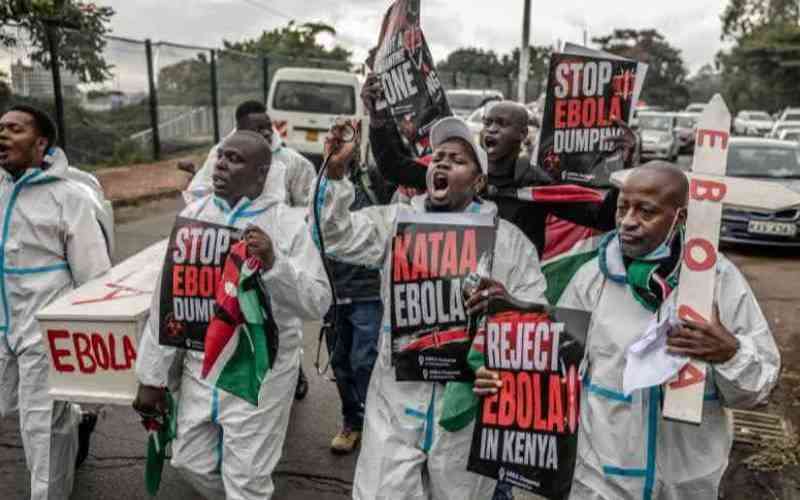
Kenya's Ministry of Health has reported no new cases of the Bundibugyo Virus Disease (Ebola) in the last 24 hours, with all 14 samples tested returning negative results. This signifies continued progress in the country’s response efforts. The number of confirmed cases remains at nine, including the index case who died on October 5, 2026. All confirmed cases are linked to a single cluster, with no evidence of community transmission detected, indicating a contained spread of the virus.
Director-General of Health Dr Patrick Amoth stated that the eight patients currently undergoing treatment are stable and responding well to care in designated isolation facilities. These patients include four family members and four health workers who had cared for the first case. Kenya has successfully completed tracing all 135 contacts associated with the first case, both locally and internationally. Relevant health authorities in other countries have been formally notified in accordance with the International Health Regulations (2005). Dr Amoth extended gratitude to the national and county contact-tracing teams, families, communities, and development partners for their efforts in reaching this milestone.
Epidemiological investigations confirmed that all confirmed cases had been in close contact with the index case between October 3 and 5, before being placed in quarantine. Each patient developed symptoms within the known Ebola incubation period of two to 21 days, a pattern consistent with infection from the initial case. Importantly, investigations found no evidence of transmission within quarantine facilities, where infection prevention and control measures have been strengthened. The Ministry of Health announced that the first group of contacts, having completed the mandatory 21-day monitoring period and remaining healthy, will be released from quarantine starting Sunday, October 25. The ministry appealed to communities, workplaces, and neighbors to warmly welcome these individuals, emphasizing that they have completed the full monitoring period without developing the disease and cannot transmit the infection to anybody.
Surveillance and screening efforts have been intensified across the country. A total of 709,093 travelers have been screened at points of entry since the response began in May 2026, with 3,107 screened in the 24 hours preceding the latest update. Since the start of the outbreak, 461 samples have been tested. Despite the ongoing situation, the government has affirmed that normal activities, including travel, trade, and public gatherings, will continue without restrictions.
The Moi Teaching and Referral Hospital (MTRH) has also implemented proactive measures. One patient is currently under precautionary quarantine after reportedly being in contact with a suspected Ebola case aboard an aircraft 20 days ago. This individual remains asymptomatic, with no fever, bleeding, vomiting, or diarrhea, and has tested negative for Ebola Virus Disease (EVD). MTRH CEO Dr Phillip Kirwaa stated that the individual is being monitored in accordance with WHO and Ministry of Health protocols and awaits the completion of the 21-day monitoring period. All contacts associated with this case have been identified and appropriately followed up. Dr Kirwaa reassured the public that the hospital remains fully operational and vigilant, with no disruption to patient care or other essential services, stating there is “no cause for panic.” As one of the isolation centers, MTRH continues to strengthen surveillance, early detection, infection prevention and control, case management, and community engagement. The hospital maintains a well-trained multidisciplinary Rapid Response Team and conducts regular simulation exercises, departmental training, and refresher sessions for frontline staff. MTRH is also intensifying public and community sensitization, particularly targeting communities associated with cross-border movement, such as long-distance truck drivers, to promote awareness of Ebola signs, symptoms, prevention, early reporting, and appropriate referral. Dr Kirwaa urged the public to maintain proper hand hygiene, remain vigilant, and promptly seek medical attention if experiencing symptoms suggestive of EVD, especially following contact with a suspected or confirmed case, while disclosing any relevant exposure history to healthcare workers.
Regionally, Ghana has announced measures to monitor travelers arriving from Ebola-affected areas, including Kenya and Nigeria, for 21 days. These measures aim to prevent the importation of the Bundibugyo virus and ensure early detection, prompt isolation, and effective management of suspected cases. Ghana’s Ministry of Health indicated that Kenya poses a risk due to direct flights and higher passenger volumes compared to the Democratic Republic of the Congo. While Ghana has not reported any Ebola cases, it has intensified screening at points of entry, particularly at the airport, and is conducting simulation exercises and sensitizing healthcare workers to bolster preparedness. Concurrently, protests have occurred in Kenya, with activists chanting slogans and carrying placards against a US-built quarantine center in Laikipia.