Ramaphosa Rocked: EFF Demands Impeachment Over Phala Phala Scandal
The Constitutional Court recently invalidated Parliament's 2022 vote on the Phala Phala report, prompting EFF leader Julius Malema to demand President Ramaphosa's resignation and the immediate constitution of an impeachment committee. The ruling, hailed by various opposition parties as a victory for accountability, mandates parliamentary scrutiny into alleged constitutional violations by Ramaphosa, setting the stage for a critical political process.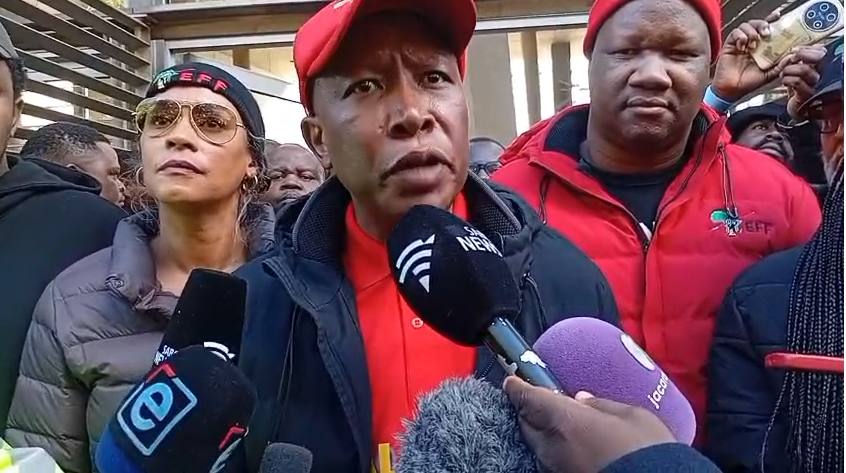
South Africa’s political tensions have intensified after the Constitutional Court ruled that Parliament acted unlawfully when it blocked the Section 89 report linked to President Cyril Ramaphosa’s Phala Phala scandal. The ruling has reopened calls for impeachment and placed fresh pressure on the presidency.
The court declared Parliament’s December 2022 decision to reject the Section 89 panel report invalid, ordering lawmakers to refer the matter to an impeachment committee for proper scrutiny. The judgment followed a legal challenge by the Economic Freedom Fighters and the African Transformation Movement. The court stressed that Parliament cannot use procedure to shield leaders from constitutional accountability.
EFF leader Julius Malema immediately called for Ramaphosa’s resignation, arguing that South Africa cannot function effectively under a president facing impeachment proceedings. Malema insisted Ramaphosa should step aside and prepare for the constitutional process ahead, warning that impeachment could strip him of presidential benefits and protections.
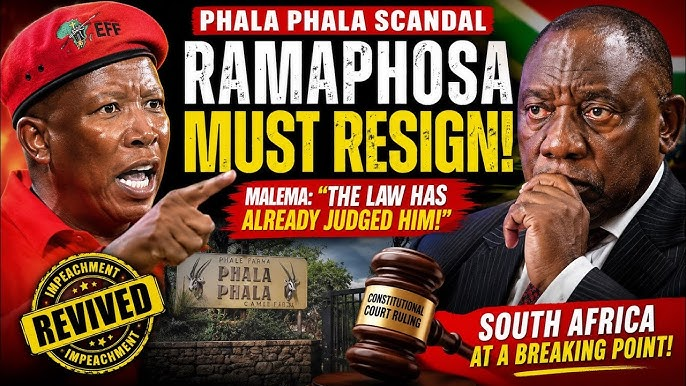
The controversy stems from the Phala Phala scandal, where large sums of foreign currency were allegedly stolen from Ramaphosa’s private game farm. A panel led by retired Justice Sandile Ngcobo previously found prima facie evidence suggesting possible constitutional violations, including failure to properly report the theft and possible abuse of state resources.
The Constitutional Court ruling has now forced Parliament to revisit the matter through a formal impeachment committee. The EFF has already written to parliamentary leadership demanding urgent implementation of the judgment and clear timelines for proceedings.
Opposition parties have also welcomed the decision. The Democratic Alliance confirmed it would participate in the impeachment process, insisting no public official should be above accountability. ActionSA and other parties described the ruling as a major victory for constitutional oversight and democratic transparency.
Despite the growing pressure, Ramaphosa has previously survived multiple investigations tied to the scandal. Institutions including the South African Reserve Bank and the National Prosecuting Authority had cleared him of wrongdoing in certain aspects of the matter. However, critics maintain that major questions remain unanswered.
The impeachment process now threatens to become one of the most politically explosive battles of Ramaphosa’s presidency, with Parliament expected to begin setting up the committee in the coming weeks.