Political Tremors: ADC Party Rocked by Mass Defections, Future Uncertain
Peter Obi and Rabiu Kwankwaso have officially joined the Nigeria Democratic Congress, signalling their 2027 presidential ambition after leaving the crisis-ridden African Democratic Congress. Their move, driven by shared ideologies for national development, comes amidst criticisms of Obi's political impact and widespread defections from the ADC. The NDC welcomes them as a new political force aiming to address Nigeria's challenges.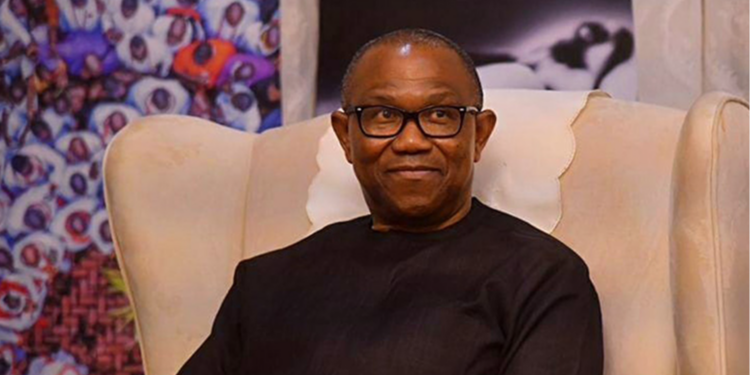
The Nigerian political landscape underwent a significant transformation recently, as former Anambra State Governor, Peter Obi, and former Kano State Governor, Rabiu Kwankwaso, formally declared their membership with the Nigeria Democratic Congress (NDC). This pivotal move, which occurred on Sunday following weeks of intense speculation and their recent departure from the African Democratic Congress (ADC), signals their decisive step towards an anticipated presidential bid ahead of the 2027 general election.
Their declaration came after a marathon closed-door meeting with the NDC leadership at the Abuja residence of former Bayelsa State Governor and NDC National Leader, Seriake Dickson. This crucial meeting culminated in their official registration as members of what they described as a rapidly growing political platform, effectively concluding their association with the ADC which had been plagued by internal crises and protracted leadership disputes.
Speaking shortly after their formal declaration, Rabiu Kwankwaso articulated that their decision to join the NDC was profoundly influenced by a shared ideological alignment and a collective resolve to reposition Nigeria. He highlighted key areas of common belief, including education, youth empowerment, security, and national unity. Kwankwaso passionately urged all Nigerians, including those in the diaspora, to register with the NDC, describing it as a credible platform capable of mobilizing diverse demographics across the nation for progress.
Peter Obi, in his remarks, reinforced the imperative for this new alliance, emphasizing that it was born out of an urgent need to construct a functional political alternative capable of addressing Nigeria’s deepening socio-economic challenges. He underscored the alliance’s commitment to prioritizing national unity, fostering economic recovery, and ensuring inclusive governance. Obi also used the platform to issue a stern caution against the prevalent culture of internal litigation within political parties, asserting that such disputes systematically undermine democratic development and weaken the collective strength of the opposition.
The exit of Obi and Kwankwaso occurred amidst considerable internal turmoil within the African Democratic Congress. Obi publicly cited a "toxic" political environment, recurrent internal crises, and alleged external interference as primary reasons for his departure, drawing parallels to his previous exit from the Labour Party. He consistently maintained that his political decisions are motivated by a deep concern for the nation’s welfare rather than any personal grievances, and warned that persistent litigation and orchestrated crises are being strategically employed as tools to suppress the democratic process and marginalize him from the political arena. Bolaji Abdullahi, the ADC National Publicity Secretary, while acknowledging the departures as a "strategic setback," also characterized them as a "relief," suggesting that the party could now focus on its objectives without the undue pressure that had accumulated. He clarified that while Obi and Kwankwaso had brought significant numbers in the previous election cycle, their exit was not viewed as a "fatal blow" to ADC's 2027 electoral ambitions.
Further underscoring the instability within the ADC, several other prominent figures also announced their resignations. Aminu Gwarzo, a former Deputy Governor of Kano State, formally resigned on May 1, 2026, citing significant changes in the political landscape and a necessity to reassess his membership in alignment with good governance. Similarly, Senators Victor Umeh, representing Anambra Central Senatorial district, and Enyinnaya Abaribe, representing Abia South Senatorial District, defected from the ADC to the NDC and Labour Party respectively. Their reasons mirrored Obi's, highlighting "lingering divisions in the leadership and unending litigations" and a "deepening leadership crisis" within the ADC.
An independent assessment by Dr. Sam Amadi, an ARISE NEWS analyst, further shed light on the ADC's predicament, asserting that the party’s internal difficulties were largely "self-inflicted." He attributed these issues to inherent structural weaknesses, problematic leadership choices, and a pervasive lack of internal clarity, which were further exacerbated by Supreme Court interpretations regarding party disputes. Amadi emphasized the absence of a robust internal framework within the ADC capable of effectively absorbing the shocks arising from legal and political developments, advocating for the implementation of clearer timelines and stringent enforcement of internal party rules to mitigate future disputes and leadership vacuums.
Despite his emphasis on national interest, Peter Obi faced substantial criticism from various political factions. Hon. Kasimu Maigari, a member of the ADC National Legislators’ Forum, controversially claimed that Obi had "pushed Igbo’s 20 years backwards from getting the Presidency," arguing that Obi’s political movement had failed to advance the Igbo presidency project and was instead a major setback. Maigari predicted that Obi would not secure victory in the 2027 election, suggesting that many of his supporters were primarily motivated by personal ambition, using Obi’s popularity to gain elective positions. The Presidency, echoing these criticisms, described Obi as a "political nomad" prone to opportunistic shifts, while the All Progressives Congress (APC) derided him as a "political rolling stone," highlighting his frequent party changes in pursuit of an uncontested presidential ticket.
The wave of defections from the ADC also drew comments from the Nigerian Senate. Senate President Godswill Akpabio openly taunted the party during plenary, suggesting that the frequent resignations were an indication that the ADC was "dying." While formally reading defection letters, Akpabio playfully questioned the unusually high frequency with which some lawmakers were switching political parties, remarking that the resignations from ADC had become a "daily ritual," a comment that elicited laughter across the chamber.
Reaffirming his commitment to national development, Obi articulated his personal struggles amid the "toxic" socio-political climate, characterized by intimidation, insecurity, and relentless scrutiny, often from unexpected allies. He clarified that his decision to leave the ADC was not borne out of personal grievances with respected figures like Senator David Mark or Alhaji Atiku Abubakar, but rather due to a pattern of "unnecessary crises and hostility" replicated by the "Nigerian state and its agents," which he claimed had previously forced his exit from the Labour Party. He lamented a societal culture that often misinterprets virtues like humility and integrity, and where sincere contributions are sometimes treated with suspicion.
The NDC, in turn, extended a warm welcome to Peter Obi and Rabiu Kwankwaso. NDC National Leader, Seriake Dickson, expressed the party's readiness to leverage their extensive experience and widespread national appeal to forge a formidable political movement. Aishat Dahiru Binani, a former Adamawa State governorship candidate, conveyed optimism that their presence would significantly energize the party’s support base, particularly among the youth and women. NDC National Chairman, Moses Cleopas, metaphorically likened the party to "Noah’s Ark," poised to rescue Nigeria from its current challenges, and actively encouraged nationwide membership registration. The competitive nature of Nigeria’s political environment, as observed by Dr. Amadi, remains characterized by campaigns, propaganda, and ongoing realignments, underscoring the critical need for strong leadership and clear internal party rules to ensure future competitiveness and democratic stability.