Political Firestorm: Atiku & Obasanjo Reignite Feud Over Third-Term Saga
Former Vice President Atiku Abubakar has vehemently responded to Olusegun Obasanjo's recent criticism, attributing Obasanjo's resentment to his opposition to the third-term agenda. Atiku underscored his pride in defending Nigeria's Constitution and detailed his significant support for Obasanjo during and after his imprisonment, leading to his presidency, while urging a focus on Nigeria's future challenges rather than past disputes.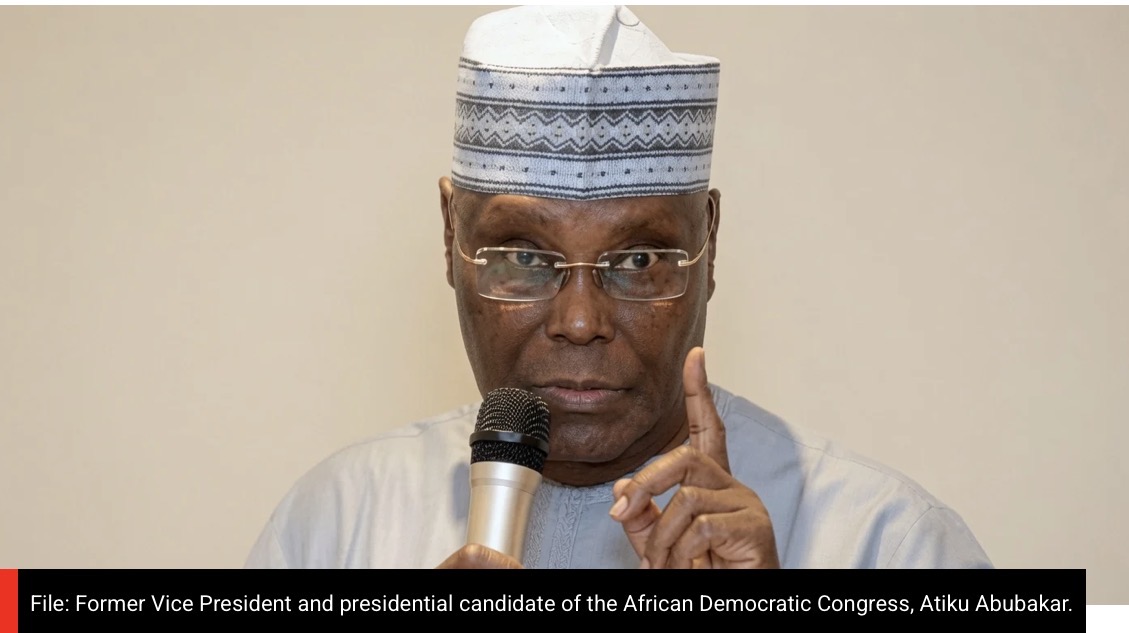
Former President Olusegun Obasanjo recently reignited a long-standing political rivalry by stating that picking Atiku Abubakar as his Vice President in 1999 was his "greatest mistake." This remark was made during a fireside conversation at the public presentation of 999: A Memoir in Tribute to Late Justice Chukwudifu Oputa in Lagos, an event that also marked the launch of musician and activist Charly Boy's foundation. Despite his criticism, Obasanjo maintained that he harbored no bitterness and that Atiku's actions did not prevent his administration from achieving its objectives, adding a brief note about his Abeokuta ancestry.
In a swift and detailed response issued by his Senior Special Assistant on Public Communication, Phrank Shaibu, Atiku Abubakar dismissed Obasanjo’s remarks as an attempt to alter historical events and insisted that history cannot be rewritten. Atiku expressed profound sadness rather than anger at Obasanjo's interview, describing it as a reflection of a man allowing personal resentment to cloud historical truth. He squarely attributed Obasanjo's hostility to his opposition to the controversial third-term agenda during their administration, a stance Atiku proudly defended as upholding the Constitution of the Federal Republic of Nigeria.
Atiku emphasized his unwavering commitment to constitutional democracy, stating, "I am proud that I stood against the third-term agenda. I am proud that I stood by the Constitution of the Federal Republic of Nigeria. I have no apology whatsoever for frustrating every attempt to subvert our democracy for personal ambition." He further asserted that if Obasanjo’s bitterness stemmed from his refusal to support an unconstitutional third term, then he would wear that resentment as a badge of honor, affirming that no individual is bigger than the nation's Constitution.
The former Vice President underscored that the battle against the proposed tenure extension was not a personal disagreement between two individuals but a critical moment for preserving Nigeria’s constitutional democracy for future generations. He proclaimed that the Nigerian people and democracy ultimately won that battle, and history had already delivered its verdict. He found it unfortunate that the same man whose unconstitutional ambition was resisted now sought to judge those who defended the Constitution.
Atiku also highlighted his pivotal role in Obasanjo’s political resurgence. He recounted providing steadfast support to Obasanjo while he was imprisoned, assisting his family, and tirelessly working with other patriots for his release. Upon Obasanjo's freedom, Atiku claimed he received, clothed, cared for him, and provided every necessary support to help him regain his footing. Beyond personal assistance, Atiku stated he mobilized political structures, built alliances, and made significant personal and political sacrifices that culminated in Obasanjo's emergence as President of Nigeria.
Despite the strained relationship, Atiku stated he harbored no regrets for helping Obasanjo, stressing that acts of kindness are matters of conscience, not commercial transactions, and should be offered without expectation of repayment. However, he cautioned that gratitude should never give way to historical revisionism. Atiku believes that a true, unbiased history of Obasanjo’s political journey would prominently feature his contributions.
Moreover, Atiku referenced praise from the Director-General of the World Trade Organization (WTO), Dr. Ngozi Okonjo-Iweala, regarding the economic management team he led. He noted that while distinguished Nigerians acknowledge his contributions to one of Nigeria’s most successful economic periods, Chief Obasanjo appears determined to diminish them, suggesting history has been kinder in its assessment.
Expressing disappointment, Atiku questioned Obasanjo's focus on revisiting old political disputes amidst Nigeria's pressing economic and security challenges. He posited that the 2027 election should prioritize rebuilding Nigeria, restoring security, reviving the economy, and offering hope to the next generation, rather than reopening old wounds. Atiku explained that his years of silence were out of respect for Obasanjo and his former office, but this restraint should not be mistaken for weakness. He concluded by asserting that while Obasanjo is entitled to his opinions and grievances, he is not entitled to his own facts, and history will ultimately render its verdict.