Ortega & Waititi Abandon Sci-Fi, Embrace Classic Cinema for 'Klara and the Sun'!
Taika Waititi's adaptation of Kazuo Ishiguro's novel, *Klara and the Sun*, explores the essence of humanity through the eyes of an artificial companion. Starring Jenna Ortega, the film balances comedy and tragedy while delving into themes of artificial intelligence, human connection, and what it means to be alive.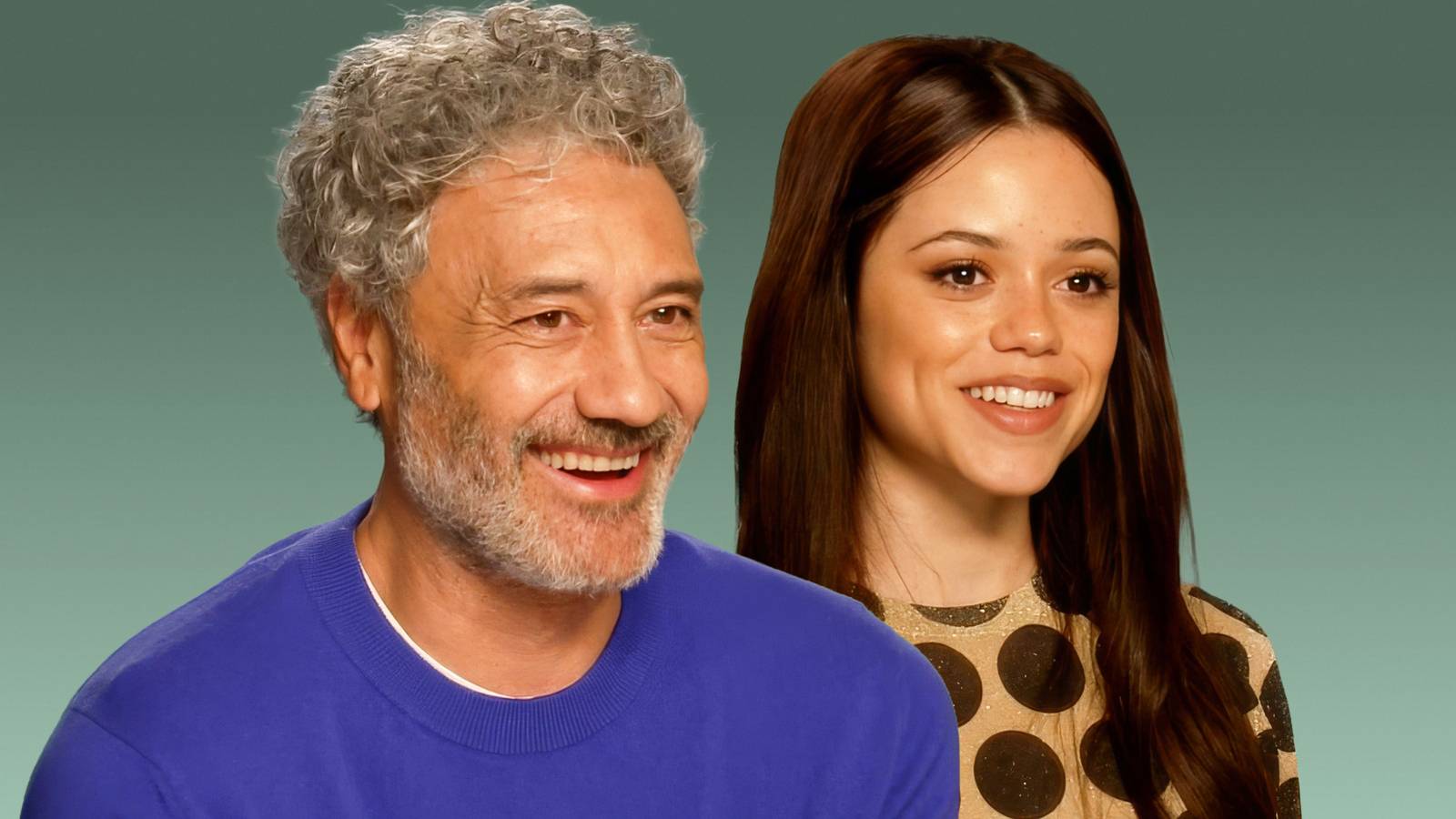
Kazuo Ishiguro's acclaimed 2021 novel, *Klara and the Sun*, is being adapted for the big screen by director Taika Waititi, exploring profound questions about what constitutes humanity and the potential for its replication through artificial intelligence. Set in a future society where genetic enhancement creates stark divisions and artificial companions, known as Artificial Friends, provide crucial emotional support to lonely teenagers, the narrative centers on Klara (portrayed by Jenna Ortega). Klara is a solar-powered Artificial Friend acquired for Josie (Mia Tharia), a "lifted" child who is struggling with the adverse effects of her genetic procedure. From the moment she is activated, Klara embarks on a journey of learning about human nature, observing and imitating the behaviors and relationships of Josie and her social-climbing mother, Chrissie (Amy Adams), with the narrative skillfully weaving in elements of physical comedy and witty dialogue.
Beyond its humorous surface, the film delves into deeper themes of grief, love, and the unsettling prospect that advanced technology might one day be capable of replicating individuals we cannot bear to lose. Ahead of the film’s release, Ortega and Waititi discussed their collaborative efforts in balancing the film's comedic and tragic elements, the inspirations behind Klara’s distinctive physicality, and the pertinent lessons about artificial intelligence that audiences might glean from the story.
Waititi emphasized the challenge of maintaining a delicate balance between humor and heart throughout the filmmaking process, particularly during editing. He noted that early cuts sometimes leaned too heavily into jokes, sacrificing character connection and emotional depth, while others focused solely on drama, losing the intended 'spice.' The solution, he explained, involves deliberate experimentation with performances on set, allowing for various interpretations of a scene—from subtle to outright ridiculous. This flexible approach is crucial for Klara's character, whose humor and emotional resonance stem from the gap between her innocent intentions and her still-developing understanding of the human world.
Jenna Ortega's portrayal of Klara heavily relies on physical expression, with her awkward movements, literal interpretations, and wide-eyed innocence creating many of the film's funniest moments. For her character's unique physicality, Ortega drew significant inspiration from silent film legend Buster Keaton. She highlighted the script's numerous instances of Klara falling, tripping, or running into walls, drawing clear parallels to Keaton’s classic physical stunts, such as his struggles with a moving staircase in *The Electric House* (1922). Klara’s efforts, like sliding down stairs on her stomach, evoke the sense of a character at the mercy of events, navigating a world she is still trying to comprehend. Keaton's ability to convey powerful emotion through a detached expression also informed Klara's artificial, yet deeply expressive, nature. Ortega also credited Waititi’s script, humor, and the observational learning process of Klara—who acts as a sponge, reflecting the behaviors of those around her—as key to her performance. Waititi, in turn, noted similarities between Ortega’s Klara and the expressive physicality and vulnerability of Italian actor Giulietta Masina, particularly in her roles in *La Strada* (1954) and *Nights of Cabiria* (1957).
While the film features an unsettling sequence where Klara uses machine learning-like processes to judge photographs, raising contemporary questions about AI's capacity for judgment and potential flaws, Waititi clarified that these themes were not his primary focus during the film's initial conception. He admitted that when he wrote the script, discussions around AI were minimal, unlike their current widespread prevalence. His main objective was to craft a profoundly human story about a 'sweet robot' who unexpectedly proves more human than the family that acquired her. Ortega, however, offered a slightly different perspective, emphasizing Ishiguro's broader message about human connection in a technologically evolving world. She views the story as a poignant reminder of the importance of looking after one another and fostering connections amidst technological advancements, encouraging audiences to focus on personal relationships rather than dwelling on an uncertain future.
Ultimately, while Ishiguro’s novel prompts reflection on whether humans possess a unique, replicable spark, the film subtly shifts its emphasis. It suggests that while AI may adeptly imitate human behaviors, it may never fully replicate the intricate connections that imbue human lives with meaning. *Klara and the Sun* is slated for release in theaters on October 23, 2026.