OpenAI Forges Indian Fintech Frontier with Pine Labs Alliance
OpenAI and Pine Labs have partnered to integrate AI-driven reasoning into the fintech firm's payments stack, aiming to automate settlement and invoicing workflows and accelerate AI-led commerce in India and beyond. This collaboration highlights India's push as a global AI hub and OpenAI's strategy to embed its technology across diverse sectors. Pine Labs will leverage AI efficiencies for both internal operations and external B2B clients, starting with high-volume financial tasks.
India is accelerating its push to become a global leader in applied artificial intelligence, fueled by a strategic partnership between OpenAI and Pine Labs.
The collaboration will integrate AI-driven reasoning directly into Pine Labs’ payments infrastructure, automating high-volume workflows such as settlement, reconciliation, and invoicing.
Both companies view the initiative as a catalyst for AI-led commerce in India and across international markets where Pine Labs operates.
At the core of the deal is the integration of OpenAI’s APIs into Pine Labs’ payments and commerce stack.
These APIs enable AI-assisted settlement, reconciliation, and invoicing, streamlining complex financial processes that traditionally require significant manual oversight.
The objective is to enhance operational efficiency, reduce processing time, and embed intelligent automation into mission-critical financial systems.
The partnership also reflects OpenAI’s broader strategy to deepen its footprint in India, one of its fastest-growing markets.
Moving beyond its identity as the creator of ChatGPT, OpenAI is embedding its models across enterprise, education, and infrastructure sectors.
Recent collaborations with leading Indian engineering, medical, and design institutions further demonstrate its commitment to leveraging India’s vast developer base and expanding digital economy as drivers of global AI adoption.
Scaling AI Across Enterprise Payments
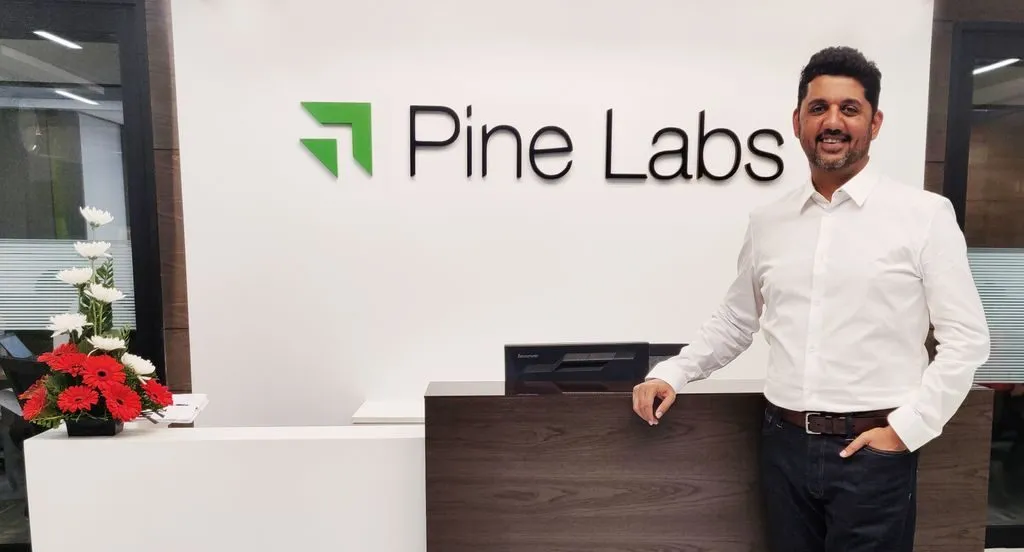
Pine Labs has already deployed AI internally to automate settlement and reconciliation processes, reducing daily processing times from hours to minutes.
CEO B Amrish Rau noted that tasks once handled by dozens of employees performing manual checks are now largely managed by AI-driven systems.
The OpenAI partnership aims to extend these efficiencies to Pine Labs’ network of nearly one million merchants and corporate clients, initially focusing on business-to-business use cases where repetitive, rule-based financial workflows allow faster AI adoption.
The rollout of more autonomous, agent-led payment systems is expected to advance more quickly in overseas markets with permissive regulatory frameworks, particularly in parts of the Middle East and Southeast Asia.
In India, adoption is likely to remain more gradual and centered on AI-assisted commerce rather than fully agent-initiated transactions, given stricter regulatory controls on payment authorization.
Pine Labs is simultaneously reinforcing security and compliance layers to safeguard sensitive transaction data as automation deepens.
With operations spanning 20 countries and cumulative transactions exceeding ₹11.4 trillion (about $126 billion), Pine Labs offers OpenAI a substantial enterprise entry point into regulated, high-volume financial ecosystems.
The arrangement is non-exclusive and involves no revenue sharing; each company retains earnings from its respective services.
Strategically, the partnership is designed to strengthen merchant stickiness, expand Pine Labs’ role from payments processor to full commerce platform, and position OpenAI’s models at the core of scalable, real-world financial infrastructure.