Elon Musk's Legal Crusade Against OpenAI Crashes and Burns
A federal court in Oakland, California, dismissed claims filed by Elon Musk against OpenAI and its top executives, including CEO Sam Altman. Musk, a co-founder of OpenAI, had accused the company and its leadership of betraying an initial shared vision for it to remain a nonprofit dedicated to developing artificial intelligence for the benefit of humanity. The lawsuit alleged that Altman and his top deputy, Greg Brockman, shifted the company into a moneymaking mode behind Musk's back, a move Musk described as "stealing a charity."
Musk had invested $38 million in OpenAI during its initial years after its launch in 2015. He sought damages for OpenAI's charitable arm and Altman's removal from the board. However, the nine-person jury, serving in an advisory role, found that Musk waited too long to file his lawsuit, missing the deadline for the statute of limitations. Judge Yvonne Gonzalez Rogers accepted the jury's unanimous verdict, dismissing Musk's claims after a deliberation of only two hours.
The three-week trial shed light on the bitter falling-out between two prominent Silicon Valley figures and the contentious beginnings of OpenAI, now valued at $852 billion and potentially heading towards one of the largest initial public offerings in history. Altman and OpenAI contended that there was never a permanent promise to maintain OpenAI as a nonprofit. They argued that Musk was aware of this and filed the lawsuit because he desired unilateral control over the rapidly expanding AI developer.
Musk's decision to cease funding the company contributed to a significant rift between the former allies. He claimed his actions were in response to deceptive conduct, which he suggested OpenAI's board recognized when they briefly fired Altman as CEO in 2023 before his reinstatement days later. During his testimony, Musk stated that the lawsuit was simple: "it's not OK to steal a charity." His claims also included "breach of charitable trust" and unjust enrichment by Altman and Brockman from the company's surging valuation, with Brockman revealing his stake in OpenAI to be around $30 billion.
OpenAI dismissed Musk's allegations as a case of sour grapes, asserting they were unfounded and aimed at undermining the company's rapid growth while bolstering Musk's own AI competitor, xAI, launched in 2023. The trial featured testimony from Musk, Altman, Brockman, Microsoft CEO Satya Nadella, and former OpenAI board members Helen Toner and Tasha McCauley, who spoke about Altman's brief ouster. Altman testified that he had concerns about Musk's attempts to gain control over OpenAI, emphasizing the founding principle that artificial general intelligence (AGI) should not be controlled by any single individual.
Near the conclusion of his testimony, Altman expressed his disappointment, feeling that Musk had "abandoned us, not come through on his promises, put the company in a very difficult place, jeopardized the mission, didn’t really care about the things I thought he cared about."
The legal focus of the trial ultimately narrowed to questions of law, specifically the statute of limitations defense advanced by OpenAI, which argued that any alleged harms occurred before the filing deadlines (e.g., before August 5, 2021, for the first count). The jury found this argument persuasive, leading to their swift verdict. Bill Savitt, OpenAI’s lead attorney, characterized Musk’s lawsuit as "nothing more than an after the fact contrivance that bears no relationship to reality" and "a hypocritical attempt to sabotage a competitor."
Microsoft, which Musk had sued for allegedly aiding and abetting the breach of charitable trust, welcomed the verdict, reaffirming its commitment to its partnership with OpenAI. The judge had previously expressed skepticism regarding Musk's lawyers' analogy between his charitable contributions and investments in a for-profit startup during discussions about potential damages. Following the verdict, Musk's lead counsel, Marc Toberoff, indicated an intent to appeal.
You may also like...
Senegal Secures 2026 Beach Soccer AFCON Hosting Rights!

Senegal has been officially announced by CAF as the host of the 2026 Beach Soccer Africa Cup of Nations. This marks the ...
West Ham's Financial Crisis Looms: Relegation Could Cost London Taxpayers £2.5M Annually!
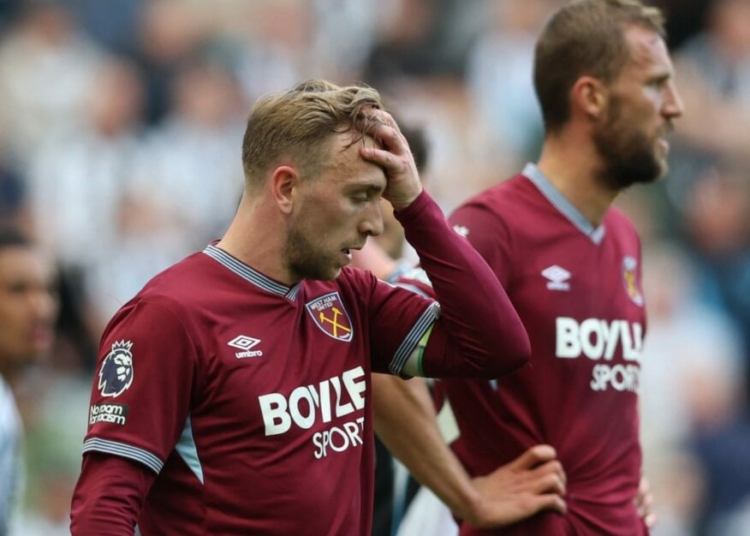
London taxpayers could face an annual financial burden of up to £2.5 million if West Ham United is relegated from the Pr...
Farewell to a Legend: Tom Kane, Voice of Iconic 'Star Wars' & 'Powerpuff Girls' Characters, Dies at 64

Renowned voice actor Tom Kane, known for his iconic roles in "Star Wars" and "Powerpuff Girls," has died at 64. His exte...
Shocking Recast! Ginny Weasley Exits 'Harry Potter' HBO Series Season 2 Amid Unforeseen Circumstances

Gracie Cochrane has departed from her role as Ginny Weasley in HBO's 'Harry Potter' series after Season 1 due to unfores...
Lauryn Hill Reveals Why Her 'Miseducation' Follow-Up Never Happened

Lauryn Hill has finally revealed her reasons for not releasing another solo album after "The Miseducation of Lauryn Hill...
Shocking Tragedy: Kenyan Gospel Artist Rachel Wandeto Killed in Petrol Attack

Kenyan gospel artist Rachel Wandeto has tragically died from severe burn injuries after being allegedly doused with petr...
Museums' Macabre Marvels: Unveiling 10 Creepy Exhibits
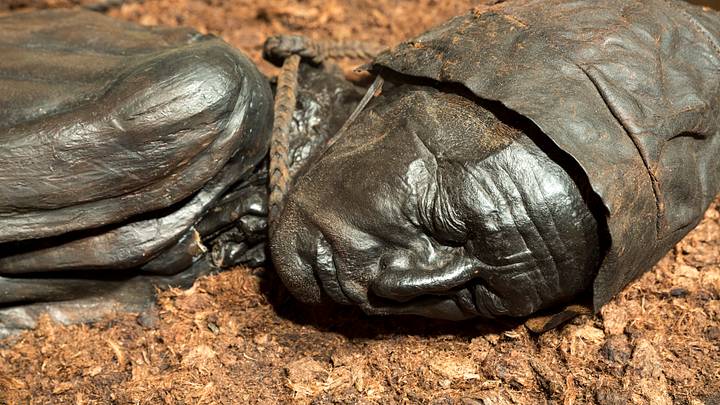
Dive into the world of the bizarre and unsettling with a tour of museums featuring some of the world's strangest exhibit...
High-Speed Impact: Tanzania's SGR Roars Past 6 Million Passengers, Reshaping East African Travel

Tanzania's Standard Gauge Railway (SGR) is revolutionizing East African connectivity, drastically cutting travel times f...