One Currency for West Africa: Can the Eco Follow the Euro’s Path?
Guinea has opted out of the proposed Eco currency as ECOWAS works toward a 2027 launch. The euro offers a useful comparison for understanding what a shared West African currency would require.
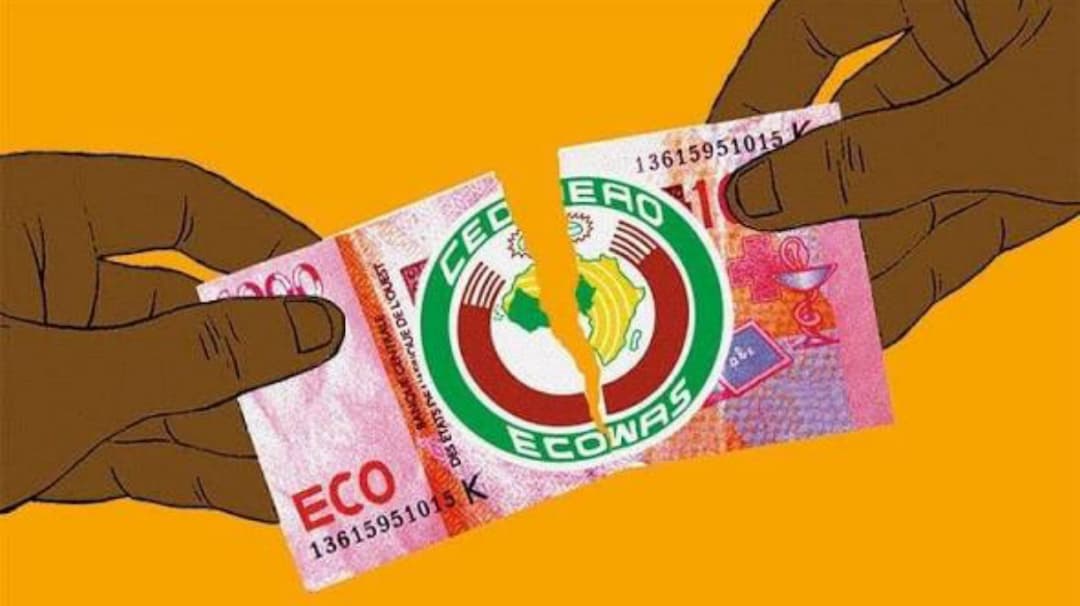
On August 2, 2026, Guinea opted out of the proposed Eco currency, becoming the first ECOWAS member to reject participation in the planned launch.
The decision comes as the regional bloc continues its plan to create a single currency for West Africa. ECOWAS first set out plans for the Eco in 2000, but the launch date has been pushed back several times as member countries struggled to meet the economic conditions required for a common currency.
The latest plan puts the launch in 2027, with countries that meet the required economic conditions expected to join first. Others could come in later after meeting the requirements.
The Eco has been in the works for decades. Europe has done this with the euro. So, what made it possible there, and does West Africa have the same foundation?
Let's Take a Look at Europe
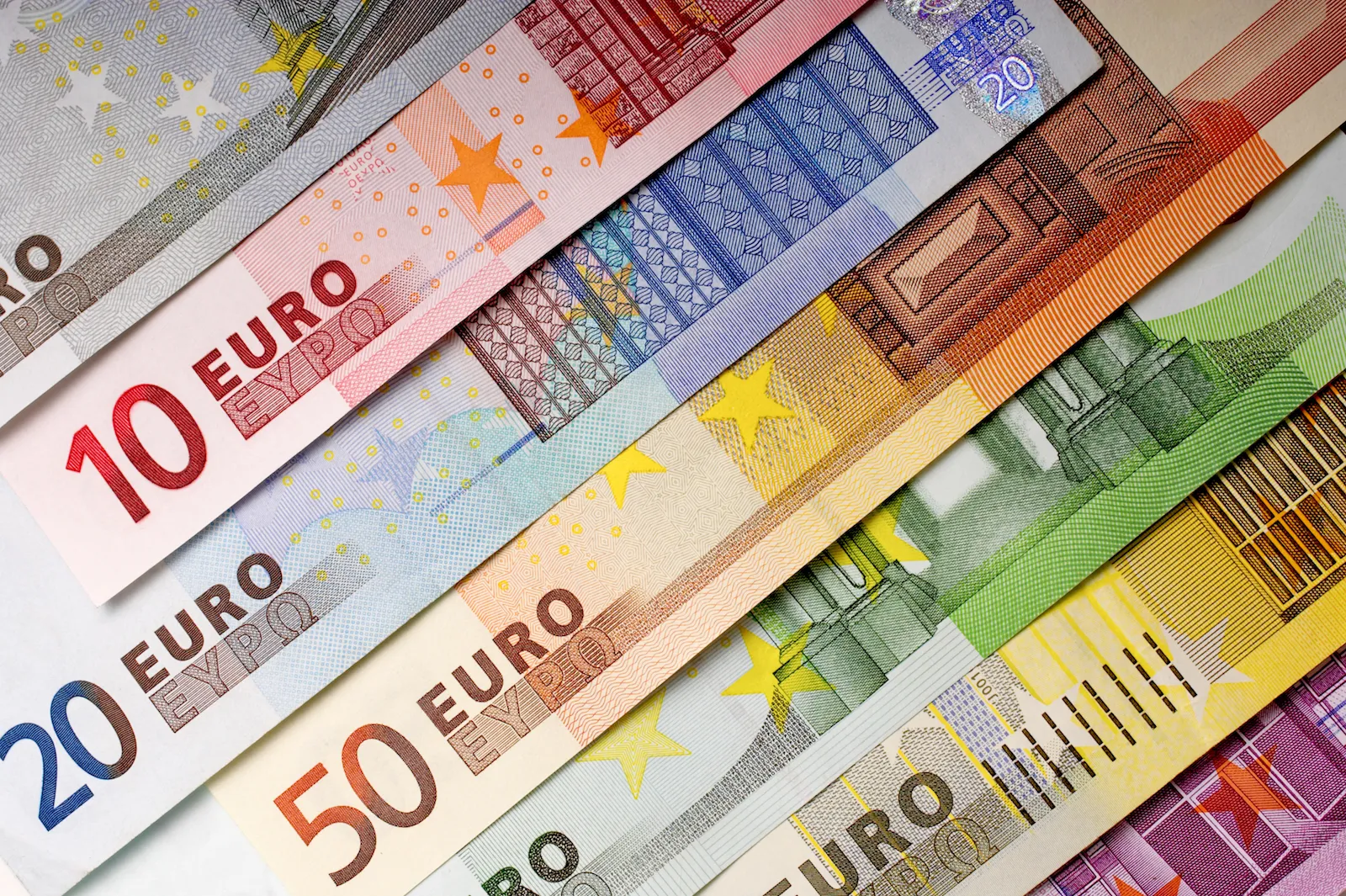
The euro is now used by 21 countries in the European Union. Those countries spent years building the systems that support the currency.
Before joining the euro area, a country has to meet specific economic conditions covering inflation, government finances, debt, exchange-rate stability and long-term interest rates. Its national laws must also fit the rules of the monetary union.
The European Central Bank handles monetary policy for the euro area, while EU countries coordinate their economic policies and monitor financial institutions.
You can travel from France to Germany, Italy or Spain and keep using the same euro. You don't have to stop at every border to change your money into another currency. Businesses also avoid some of the costs that come with exchanging money.
That convenience is one reason countries pursue a common currency. But the system also means that countries using the euro share one monetary policy, even when their economies are not moving in exactly the same direction.
The Economies Have to Work Together Too
Let's bring this back to Africa.
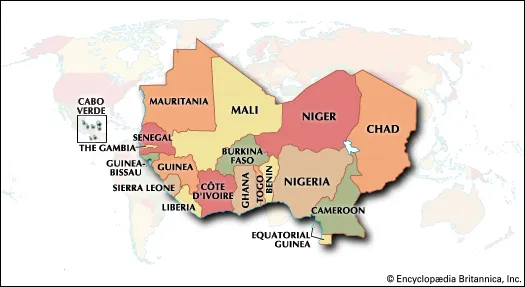
West African countries have very different economies. Nigeria depends heavily on oil revenue, Guinea relies strongly on mining, particularly bauxite, while Ghana's economy includes major contributions from gold, cocoa, oil and services.
The countries also differ in inflation, public debt, foreign reserves and economic growth.
A common currency could make cross-border trade easier.
A Nigerian company selling to Ghana, for example, would not have to deal with the naira and the cedi in the same transaction. Businesses trading between Nigeria and Guinea would also face fewer currency conversion costs.
But sharing one currency means these economies would operate under the same monetary policy.
If oil prices fall sharply, Nigeria could face weaker government revenue and lower foreign exchange earnings. A country whose economy depends more heavily on agriculture or mining could be dealing with a completely different situation at the same time. Once countries share a currency, they cannot each adjust monetary policy to suit their own circumstances.
Europe has experienced this tension.

The euro made trade and payments easier across participating countries, while theeurozone debt crisis showed how difficult it can be to manage one currency across economies facing different pressures.
That is one of the issues West Africa has to solve as it moves toward the Eco.
What Would Make the Eco Work?
The remaining work is practical. ECOWAS still has to settle which countries qualify for the first phase and how the proposed regional central bank will be governed.
Starting with fewer countries may make the first phase easier to manage, but it could also create a new challenge: maintaining coordination between members using the Eco and those still using national currencies.
What Does Guinea's Decision Mean for the Eco?

Guinea's decision comes at a time when ECOWAS is still moving ahead with the Eco project, but its economic position helps explain why a common currency may not look equally useful to every member.
Reports citing Guinean officials and economists point to the country's weak domestic production base and its trade pattern. Around 80% of Guinea's exports are reported to go to Asian markets, withChina a major destination for its bauxite. For Guinea, tying its currency more closely to a West African monetary system could mean giving up some monetary flexibility while much of its trade remains outside the region.
That does not necessarily make the Eco unworkable. It shows why countries may weigh the benefits differently.
For a country doing a large share of its trade within West Africa, removing currency conversion costs could be a major advantage. For Guinea, whose economy is strongly connected to mineral exports and Asian markets, the calculation may look different.
The Eco has taken decades to reach this point. With the 2027 target approaching, the next test is not only getting countries to agree on one currency, but making sure the system offers enough value for countries with very different economies to want to be part of it.