One Court Order Stood Between Kenya and A National Internet Blackout. Is Silence Becoming A Tool of Governance?
One Kenyan court ruling protected internet access from unchecked government power. But with internet shutdowns rising across Africa, the bigger question is no longer who controls the switch, it's whether silence is becoming a tool of governance.
In June 2024, young Kenyans took to the streets to protest the Finance Bill. What followed was not just teargas and chaos, there were credible reports of internet throttling, of connectivity degrading precisely when documentation and coordination mattered most.
The Communications Authority denied it, but the slowdown happened, and the people who experienced it knew what it felt like to have their digital lifeline tightened by an invisible hand.
Last week, a Kenyan High Court drew a line. In a ruling that struck down key sections of the Computer Misuse and Cybercrimes (Amendment) Act 2025, the court held that the government cannot shut down websites or order internet service providers to block content without first obtaining a court order.
This judgment is not just about Kenya or the issue they are currently facing. It is a question that the entire African continent, and by extension the whole world, needs to sit with and answer: who really controls the switch and what are the metrics by which it is being controlled?
Because when access to information can disappear at the moment citizens need it most, silence begins to look less like an accident and more like an instrument of power.
The Law That Almost Made Censorship Official
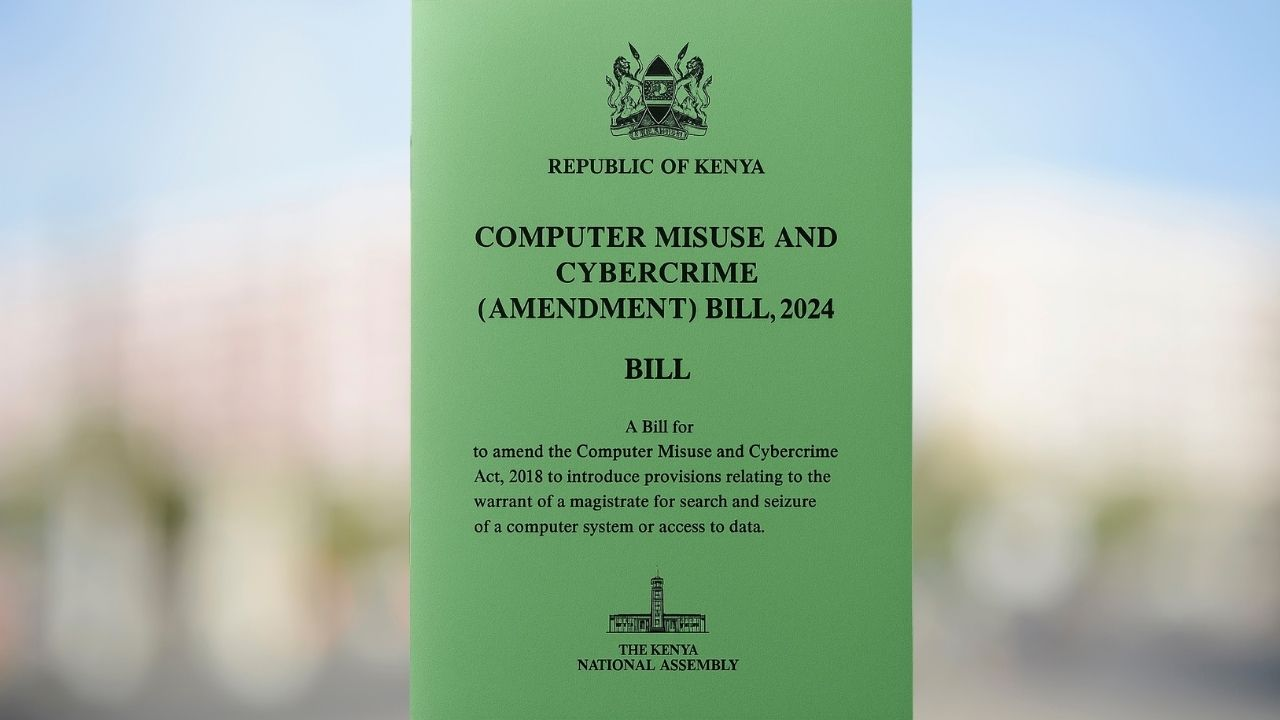
Section 6(1)(j)(a) of the amended Act gave Kenya's National Computer and Cybercrimes Coordination Committee — NC4 — the authority to instruct ISPs to block websites and apps hosting terrorism content, extremist material, cult activity, or child sexual exploitation content.
On paper, the mandate sounds reasonable. In practice, it handed a government committee unchecked editorial power over what 55 million people could access online, with no requirement to involve a court, no independent review, and no defined standard for what qualified as the content it claimed to target.
The Kenyan High Court probably saw through the framing and gave a fair judgement. On July 2, 2026, the sitting judge, Justice Patricia Mande, struck it down as unconstitutional, ruling that granting NC4 absolute authority to determine what is illegal content and act on that determination unilaterally defeats the purpose of democracy and amounts to censorship with no checks on it.
The ruling also struck down a section that criminalized sending communications "likely to cause" someone to commit suicide, calling the language too vague and too open-ended to meet the standard required for a criminal offence.
The court's position throughout the whole issue and how it has been unfolding is consistent: power without oversight is not governance; it is control.
Perhaps the deeper warning is that control no longer always arrives through force; sometimes it arrives through the quiet disappearance of connection itself.
But What About the Countries Without the Court Order
Kenya got its ruling, but most of the continent has not been so fortunate. According to Access Now and the #KeepItOn coalition's 2025 report, 2024 was the worst year for internet shutdowns ever recorded in Africa, with 21 shutdowns across 15 countries, surpassing the previous record of 19 in 2020 and 2021.
Between 2016 and 2024, there were 193 internet shutdowns in 41 African countries. These blackouts cost sub-Saharan Africa over $1.56 billion in economic losses in 2024 alone.
The pattern is not random or formulated from thin air. Ethiopia has recorded around 30 shutdowns in a decade, consistently timed to coincide with protests and military actions to prevent live reporting of human rights violations.
On Tanzania's election day in October 2025, a nationwide internet outage cut communication across the country as polls closed. Uganda shut down social media during its 2026 general elections, the same Facebook ban it has maintained for four consecutive years.
In Senegal, five politically motivated shutdowns in three years cut citizens off from work, education, and healthcare information. In Congo-Brazzaville, internet blackout was the unspoken norm during presidential elections in both 2021 and 2026.
These are not technical failures; they were full-blown government decisions targeted at its own citizens. Someone made a call, ISPs complied under threat of licence revocation, and millions of people woke up cut off from the world, often during the exact moments when access mattered most.
And if citizens cannot speak, organize, or even witness events in real time, silence becomes more than a consequence; it risks becoming a governing strategy.
The question the Kenyan ruling forces bring into the open is not whether governments can do this. Clearly, they can. The question is whether anything is stopping them from doing it to you in the country you are now.
The Internet Is Never as Free as It Felt, And How We Are Made To Believe
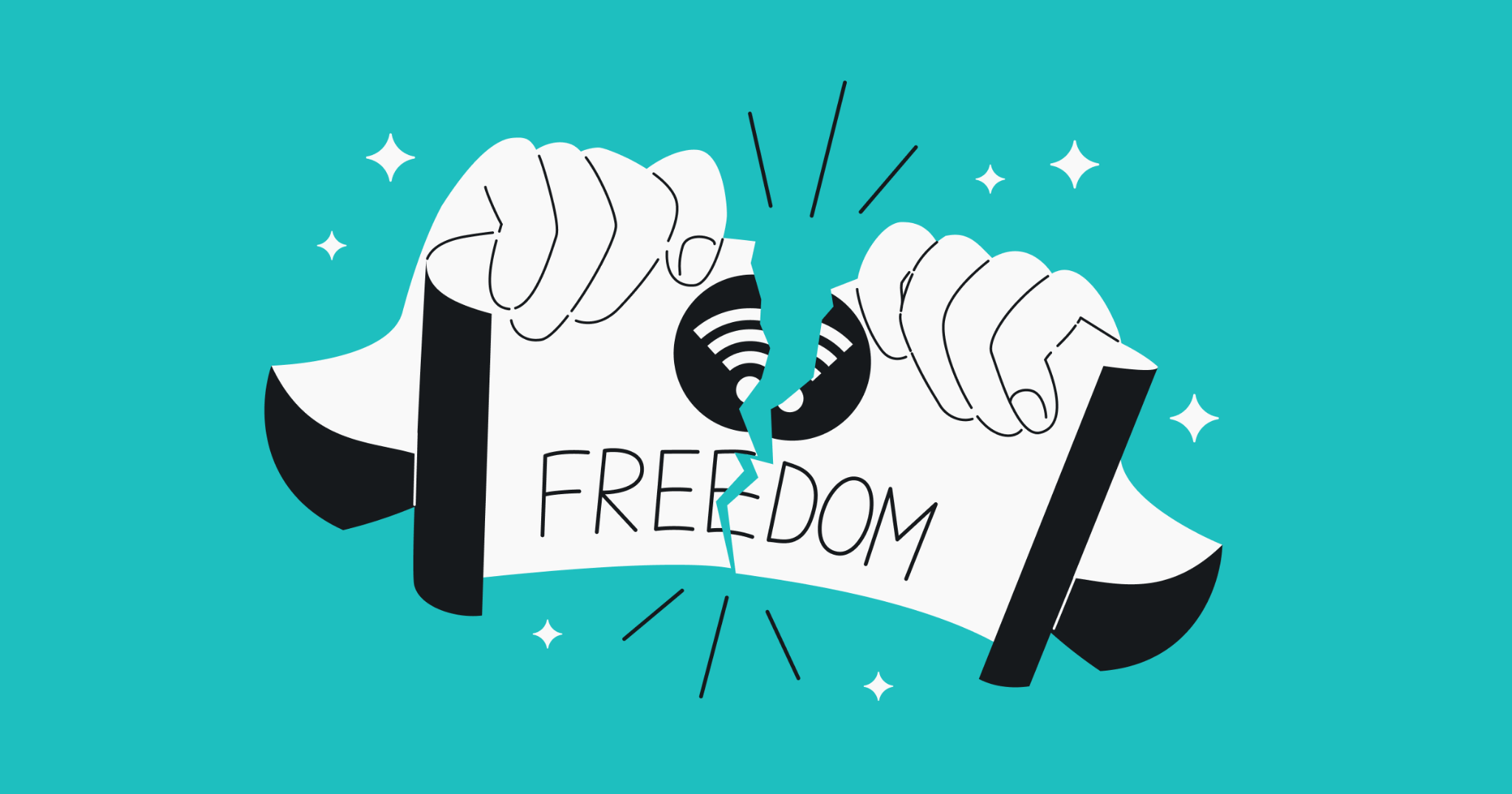

There is a version of digital life most people inhabit without examining the infrastructure underneath it. You open WhatsApp, and your messages are encrypted. You open X, and your opinion reaches whoever follows you. You open your browser, and the internet feels borderless, permanent, yours.
That is actually not the whole story. Every platform you use, every website you visit, every message you send travels through infrastructure that a government can reach, through ISPs it licenses, through laws it writes, through emergency orders it issues, and through executives that comply before any court has had a chance to weigh in.
In Kenya and Zambia, new cybercrime legislation passed in 2025 expanded government powers over online content, data, and networks, officially to address security risks, in practice making it easier to monitor, regulate, and restrict digital expression in ways quieter and more permanent than a blunt shutdown.
Sudan's military government implemented a cybercrime law in late 2025 that criminalizes online speech, empowers security forces to seize devices with warrantless digital searches and wipe content, also imposing fines of up to ten million Sudanese pounds and prison sentences of up to ten years for posting the wrong thing.
These are not outliers; they are a pattern that has been unfolding over the years. And the question is no longer whether governments possess these powers, but whether normalizing them quietly changes the relationship between the state and the voices it governs.
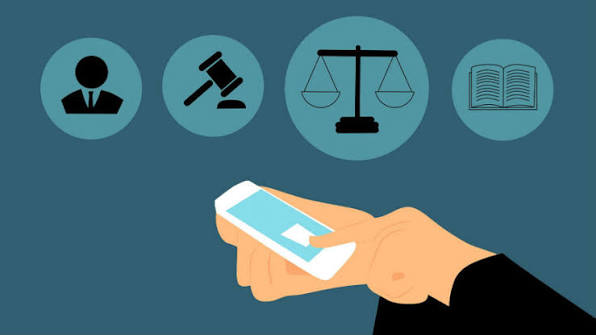
What the Kenyan court did was establish that one country, in one ruling, will not allow the switch to be flipped without judicial oversight. That is meaningful, but it is also the exception.
Across most of the continent, the switch exists, it is accessible, and the only thing between a government decision and a national internet blackout is how much that government respects a law it wrote itself.
The Kenyan ruling is not a victory that travels. It is a reminder of what is at stake everywhere it has not yet been won, and of how completely ordinary people can wake up one morning to find that the digital life they took for granted has been turned off by someone they never permitted in the practice of democracy to make that decision.
That is why Kenya's ruling resonates far beyond its borders: it asks whether the greatest threat to democratic expression is no longer censorship that people can see, but silence that governments can simply switch on.