NYSC Was Built for One Nigeria. Is It Still Serving This Nigeria?
More than 50 years after NYSC was created to unite Nigeria after the Civil War, today’s insecurity, unemployment and skills gaps raise a harder question: should the scheme be protected by nostalgia or redesigned for real value?
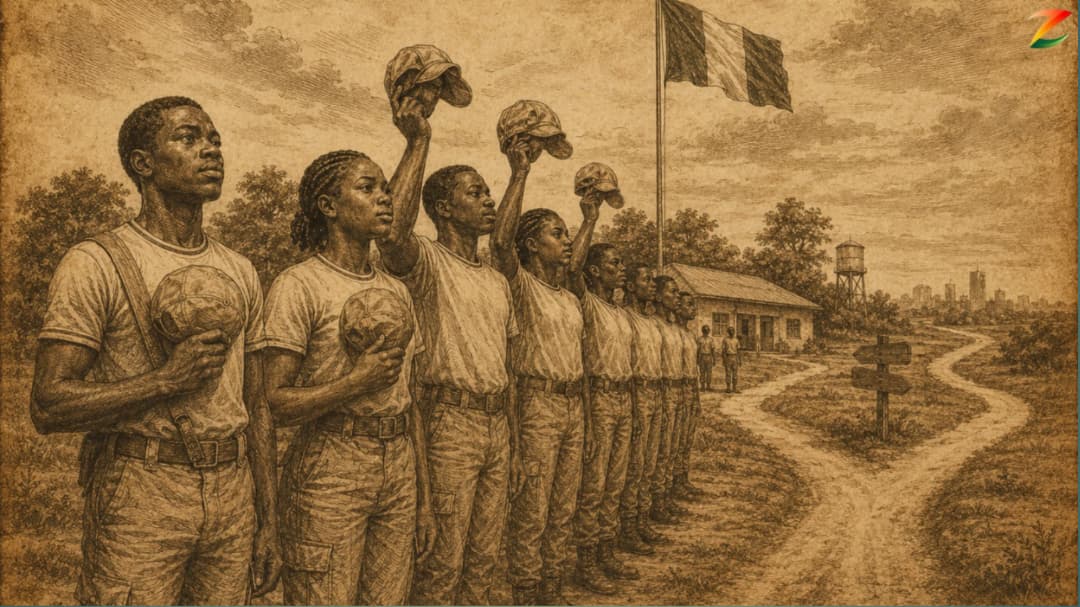
For many Nigerian graduates, NYSC would mostly begin with two emotions: excitement and worry.
There is the excitement of wearing the khaki, going to camp, meeting new people and finally entering that stage everyone talks about after university. But there is also the worry: Where will I be posted? Will it be safe? Will this year help my future, or simply delay it?
That tension is why the National Youth Service Corps deserves a serious national conversation more than 50 years after it was created.
It would be unfair to pretend NYSC never mattered. Established in 1973 after the Civil War, the scheme came at a time when Nigeria was trying to reconstruct, reconcile and rebuild.
The idea was simple but powerful: send young graduates outside their familiar environments so they could meet other Nigerians, serve communities and help build national unity.
That was not a foolish idea, it came from a real wound.
But the Nigeria of 1973 is not the Nigeria corps members are entering today. Today, NYSC sits inside a country wrestling with insecurity, unemployment, rising living costs, weak public trust and a young population asking harder questions about value.
The Nigeria NYSC Was Built For
NYSC was created for a country trying to heal itself.
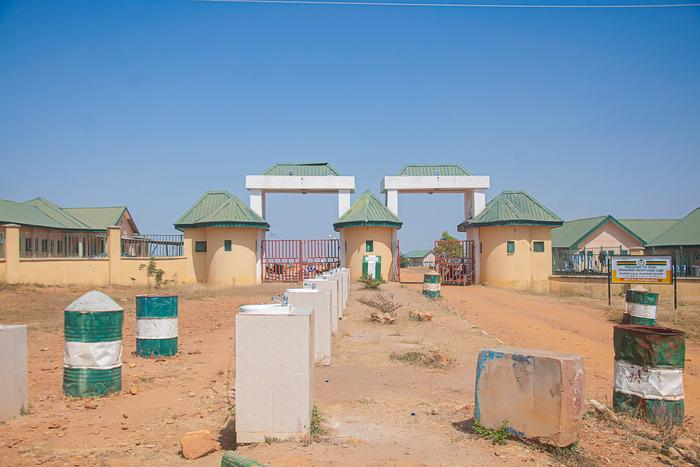
After a devastating civil war, Nigeria needed more than political slogans about unity. It needed shared experience. It needed young people from one part of the country to live, work and serve in another.
That original purpose still deserves respect.
In a country as diverse as Nigeria, it matters when a young person from the South serves in the North, or someone from the North lives in the South for the first time. It matters when people discover that the country is bigger than the stories they grew up hearing.
At its best, NYSC can create contact, soften prejudice and build friendships that would not have happened otherwise.
The Nigeria Corps Members Now Face
The problem is that national service now happens inside a harder Nigeria.

Many families worry about safety before anything else. A scheme created to build national trust cannot ignore the fear many parents now feel when posting letters arrive. Now, the first question is no longer “where will you serve?” but “is that place safe?”
Then there is the economy. Graduates are entering a weak job market, rising costs and uncertain career paths and to be honest one year is not just symbolic time, it is career time, earning time, skill-building time, or time that could have gone into supporting family.
The increase in corps members’ allowance to ₦77,000 recognises that welfare pressure is real, but welfare is not only allowance. It is safety, accommodation, supervision, insurance, useful work and whether the year leaves a young person better prepared for life after service.

This does not mean service is useless, but compulsion must earn its value.
What Still Makes NYSC Worth Defending
In a divided country, any programme that still makes young Nigerians meet across ethnic, religious and regional lines should not be dismissed carelessly.
People genuinely benefit from NYSC.
You can discover new communities, learn independence, make friends and professional contacts, teach in schools, support local offices, join community projects and experience parts of Nigeria you might have never visited on your own.
For some, NYSC becomes their first workplace. For others, it becomes the first time they are responsible for something beyond school and family.
The scheme still carries symbolic value, but the problem is whether symbolism is enough.
What No Longer Works Well Enough
NYSC should not be kept alive only by nostalgia.
For many corps members, the service year can feel disconnected from their future. Some are posted to roles that do not use their training. Some serve in places where supervision is weak, poor welfare, poor accommodation or limited opportunities for serious skill development.
The Skill Acquisition and Entrepreneurship Development programmepoints in the right direction because it recognises that service should also prepare young people for life after NYSC. But if skills training is shallow, poorly funded or disconnected from real markets, it becomes another box to tick.
A few days of exposure cannot replace a serious employability plan.
If NYSC wants to remain relevant, it must stop treating young graduates as cheap labour for institutions that need staff. Service should not mean simply filling gaps in schools, offices or local agencies.
A computer science graduate should not spend the year doing clerical work in an office that has no use for their training. They could digitise school records, support local government data projects, teach basic coding in public schools, or help small businesses adopt simple digital tools.
An agriculture graduate should not simply be placed wherever there is a vacancy. They could be part of a structured extension team helping farmers with soil testing, storage, market access or climate-smart practices.
That is what reform should look like: not slogans, but useful service.
From Service Year to Value Year

The real question is whether Nigeria can make the year valuable enough to justify making it compulsory.
Safety must come first, no corps member should be forced into high-risk areas just to preserve the appearance of national spread. Posting policy should account for insecurity, travel risk, emergency response, insurance and family concerns. National integration should not require young people to gamble with their safety.
The service year should also be linked to clear skills tracks. Education, healthcare, agriculture, technology, public administration, climate work, creative industries and community development all need young talent. Corps members should be matched more deliberately to fields where they can learn, contribute and leave with documented experience.
If a corps member teaches, let that year count as structured classroom experience. If they work in a health centre, let it come with supervised training. If they serve in a local government office, let them complete a real public-service project. If they join a community development project, let it produce something measurable.
NYSC should not be judged only by what it was created to do in 1973. It should be judged by what Nigeria now needs from its young people and what Nigeria is willing to give them in return.
If the country still wants one year from its graduates, that year must return safety, skill, experience and purpose. Otherwise, service becomes less a national duty than a national habit.