No More Anonymous Posts: Gabon’s Internet Just Changed Forever
Shutting down social media is old news. Gabon just built a system where everything you post is tied to your face, your address, and your ID forever.
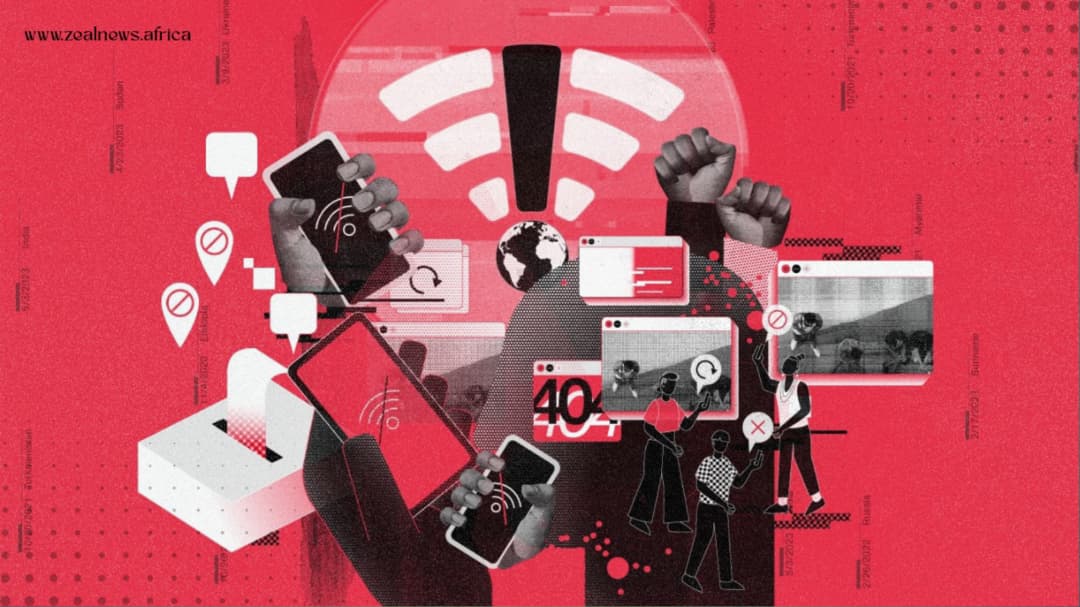
There's a version of internet censorship we've all gotten used to.When governments feel threatened online, the usual move is simple: flip the switch, cut access, block platforms and silence the noise.
It’s happened before across Africa—in Nigeria, in Uganda, and in Ethiopia during moments of political tension.
Gabon just made that playbook look tame.
In February 2026, the Central African nation did what every other government has done before, it blocked WhatsApp, Facebook, TikTok, and more, citing threats to national security. Standard script.
But nine days later, President Brice Oligui Nguema signed something far more consequential. Not a shutdown but a redesign.
They're not turning the lights off anymore. They're installing cameras in every room.
The ordinance, signed on February 26, 2026 and made public in early April, requires every social media user in Gabon to submit their full name, home address, and national ID before using any platform.
Every post, every share, every message in a group chat is tied to a verified, real identity.
Online anonymity in Gabon is, for all practical purposes, finished.
Platforms have 12 months to comply or face penalties. Users who break the rules face fines of up to CFA50 million, roughly $81,500 or imprisonment.
Group admins are now legally responsible for whatever their members say. Even sharing content deemed illegal can get you punished.
This isn't moderation, it's a liability for everyone, all the time.
Why did this happen?
Oligui came to power via a military coup in August 2023, then won a presidential election in 2024. By early 2026, his government faced teachers on strike since December, civil servants demanding better pay, and cost-of-living protests spreading across the country.
Social media was where people organised. So they killed it first, then made sure it could never be used freely again.
What makes this moment significant is, Governments across Africa have used internet shutdowns as a crisis management tool for years, Gabon itself has a long history of digital blackouts during elections and political tension, stretching back through the Bongo family's decades in power.
But shutdowns are temporary, loud, easy to document and easy to condemn.

What Gabon has built now is different.
It's quiet, permanent and in some ways, it's more dangerous.
A shutdown tells you the government is afraid. A surveillance law tells you the government has won.
Think about what this actually means for an ordinary Gabonese person.
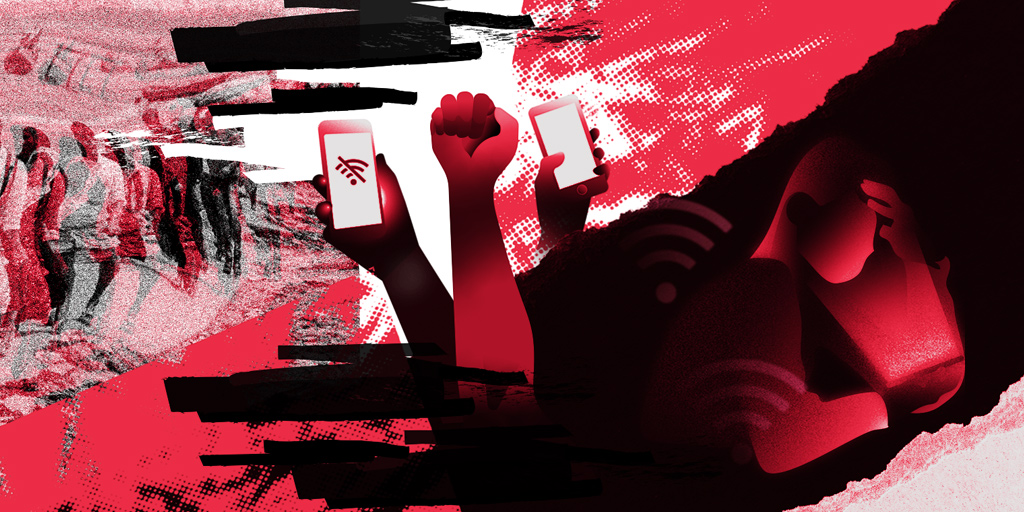
You can't post anonymously about your working conditions. You can't share a video of a protest without your name attached. You can't warn your community about something without it being traceable back to your front door.
The chilling effect alone and the self-censorship that comes from knowing you're always being watched is the point. You don't need to arrest everyone, you just need people to stop speaking.
The man behind this law, remember, is the same one who came to power promising reform. He talked about a new Gabon.
That gap between the promise and the reality is a story as old as African politics itself.
This matters beyond Gabon.
Other governments are watching. When a country successfully moves from temporary shutdowns to permanent identity-linked surveillance, and platforms comply, and the international community moves on, it becomes a model and maybe a blueprint.
The internet was supposed to give ordinary people a voice that power couldn't easily silence. In Gabon, that voice now comes with your name, your address, and your ID attached, handed directly to the state.
That's not the internet anymore. That's a register.