Nigeria Wants Meta, Google and X to Open Offices. What Does That Really Change?
Nigeria wants Meta, Google and X to open offices locally. The move could bring companies closer to Nigerian users and regulators, but also closer to government scrutiny.

We use social media platforms every day.
We get to advertise businesses on them, promote music, sell products, build careers and argue about politics. So if these companies are making money from the Nigerian market, why shouldn't they have a physical presence here?
On July 24, 2026,stakeholders backed a Senate bill seeking to compel major social media companies, including Meta, Google and X, to establish physical offices in Nigeria.
Sponsored by Senator Ned Nwoko of Delta North, the bill seeks to amend the Nigeria Data Protection Act 2023 and make it mandatory for social media platforms operating in Nigeria to maintain physical offices within the country.
It had already passed second reading and is now before the Senate Committee on ICT and Cyber Security for further consideration.
But maybe an office alone may not change much for us.
What would an office actually change?
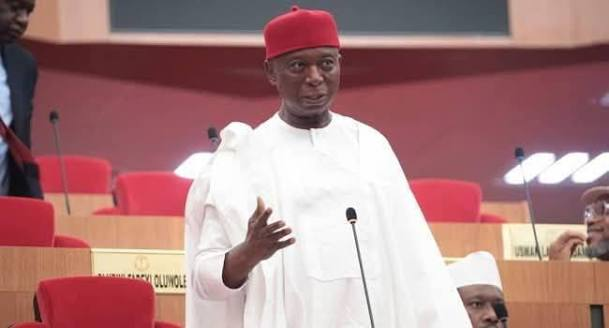
Nwoko says the presence of major technology companies could bring jobs, tax revenue, technology transfer and foreign investment. He pointed to countries including the United Kingdom, India, Singapore, the United Arab Emirates and South Africa as examples of places where major technology companies have established offices and regional hubs.
For Nigeria, the possible gains could go beyond the office itself.
Companies with a stronger local presence could hire Nigerian lawyers, policy specialists, customer support workers and other professionals. They could also have more direct relationships with local businesses, regulators and technology communities.
There is also the practical side of dealing with these companies.
If your social media account is suddenly suspended, for example, you may find yourself trying to resolve the problem through an online form or automated response.
If there is a dispute involving data, consumer rights or how a platform has handled a complaint, the company can seem very far away.
A physical office could give Nigerian regulators a more direct point of contact and make it easier for companies to respond to issues affecting their Nigerian users.
That still would not solve everything.
An office does not mean every suspended account will be restored. It does not guarantee better customer service, and it will not by itself create jobs or increase tax revenue.
Any of those benefits will depend on the law, how the companies respond and the ability of Nigerian institutions to enforce it.
Once a company has a permanent presence here, the government also has a closer point of access to it.
Where does regulation end and interference begin?
TheHuman Rights Writers Association of Nigeria (HURIWA), a civil liberties and human rights advocacy organisation, has urged the National Assembly to reject the bill.


HURIWA warned that the proposal could become a tool for censorship and threaten freedom of expression, despite its stated goals of improving corporate accountability and Nigeria's digital economy.
Social media companies now play a major role in how Nigerians get news, promote businesses, express political opinions and discuss public issues.
Nigeria has also had its own experience with a government and a technology company locked in a dispute.
In 2021, the Nigerian government suspended Twitter after the platform deleted a tweet by then-President Muhammadu Buhari. The ban lasted 222 days before access was restored in January 2022.
NetBlocks estimated that the shutdown had a significant economic impact, with one calculation putting losses at about N150.46 billion after just two months.
The episode became a national argument about freedom of expression and government power. It also affected businesses and ordinary users who depended on the platform.
That does not mean requiring companies to have offices in Nigeria will lead to another Twitter ban. The two situations are different.
Nigeria should be able to hold companies operating here accountable to its laws, while companies should be able to operate without unnecessary government pressure over lawful speech and legitimate criticism.
What happens next?
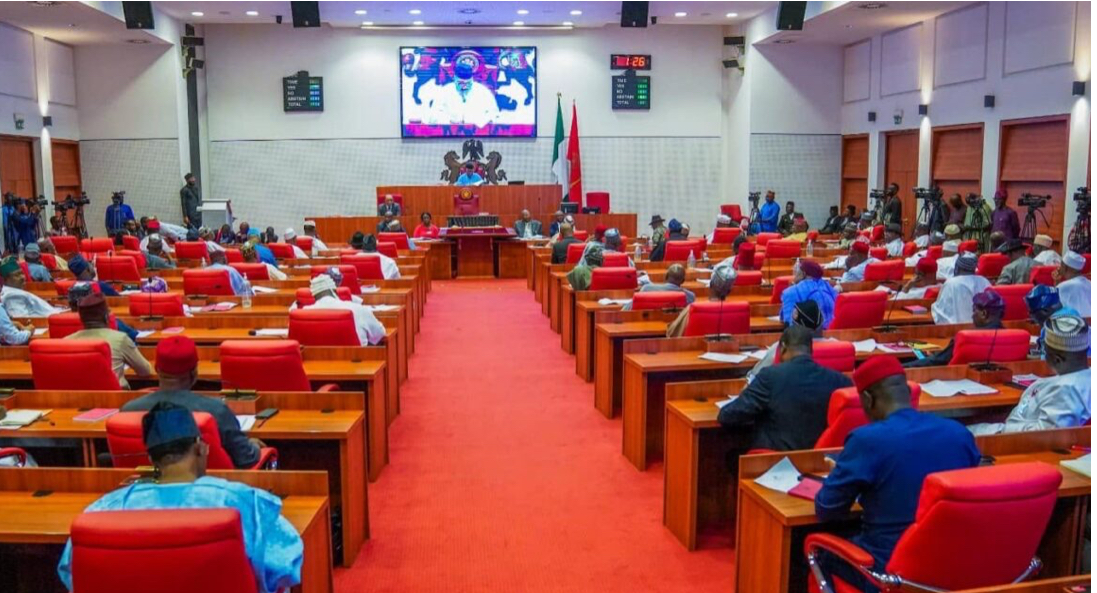
The Senate committee will examine the bill further after the public hearing. The exact requirements, enforcement arrangements and consequences for companies that fail to comply will matter as the bill progresses.
Nigeria has a large digital market, and that gives the country some leverage. A physical office could make it easier for regulators and companies to deal with problems from within Nigeria rather than across borders.
For Nigerians, the important part will be seeing what companies are actually required to do, what users gain from their presence and what limits are placed on government power.