Nigeria Sets October Date For A Digital Postcode Plan After Being Proposed First in 2009
Nigeria's digital postcode system launches in October, 17 years after it was first proposed under Yar'Adua in 2009. What is being changed?
Lagos Island carries the postcode 100001. It has carried that number since 1986, back when General Ibrahim Babangida's government rolled out Nigeria's first postal code system.
Four decades later, that same six-digit code still cannot tell a delivery rider which building to stop at, because the system was never built to handle what comes after the number: the missing street names, the unnumbered houses, the compounds known only by the family that owns them or the landmark standing nearest to the gate.
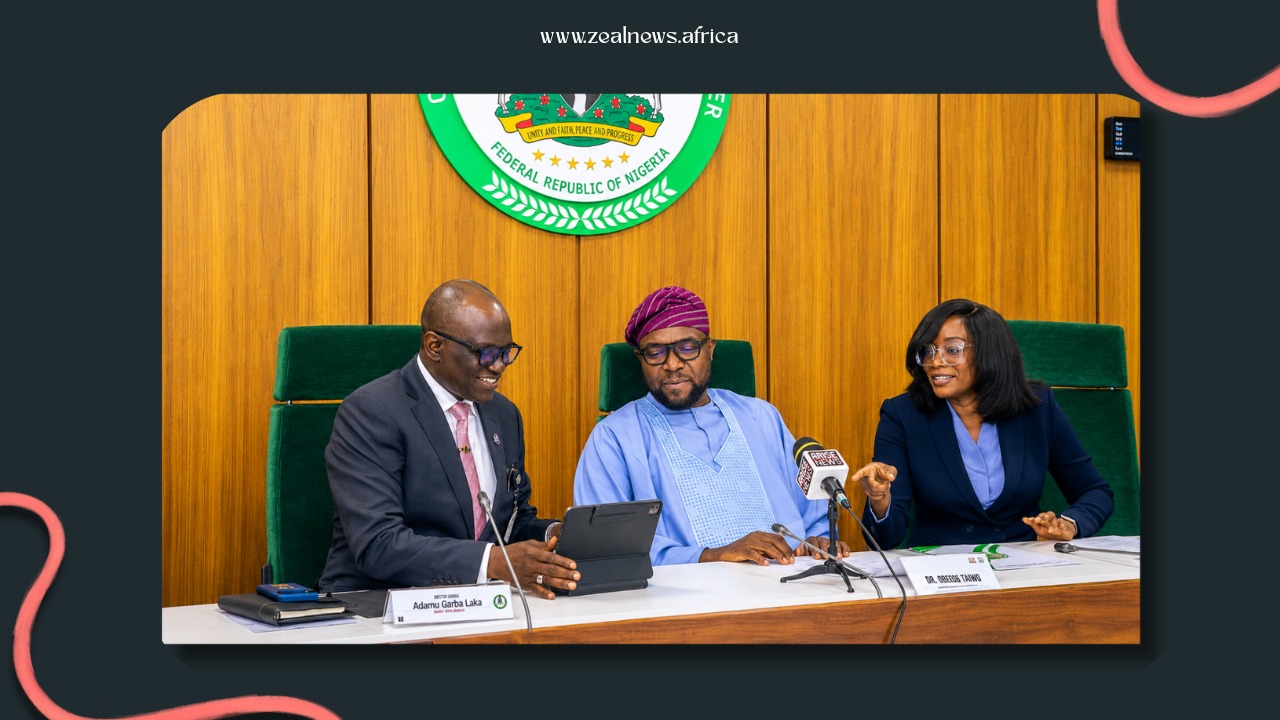
Nigeria is now trying to fix that gap with a tool that did not exist in 1986. Bosun Tijani, Minister of Communications, Innovation and Digital Economy, announced at a workshop in Abuja on June 15 that the first phase of the National Digital Alphanumeric Postcode System will launch in October.
The plan assigns every building and location in the country a unique, machine-readable address tied to exact map coordinates, replacing the landmark-based directions Nigerians have relied on for generations.
Tijani described the goal on X as making sure every person, business, and location can be accurately identified within the country's digital ecosystem.
The idea is not new. What is new is whether Nigeria can finally get it to work.
A Plan Born Under Yar'Adua, Buried by Transition
The first serious attempt to digitise Nigeria's postcode system surfaced in 2009, during the administration of the late President Umaru Musa Yar'Adua. The country had already lived with its analogue postcode for more than two decades by then, and the limits were obvious to anyone trying to navigate Lagos, Kano, or Port Harcourt using a six-digit number with no street-level detail behind it.
The 2009 proposal aimed to close that gap with a digital layer, but it stalled. Yar'Adua died in office in May 2010, and the years of leadership change that followed left the postcode project without the political continuity it needed to move from paper to deployment.
What followed was a decade of smaller, partial fixes rather than a full overhaul. In 2017, the Nigerian Postal Service partnered with the British startup what3words, which divides the globe into three-metre squares and labels each one with three random words, as a workaround for describing locations without formal addresses.
The following year, NIPOST launched two platforms of its own, the Address Verification System and the Digital Addressing System, both meant to build a live, searchable database of physical addresses across the country. Neither system solved the underlying problem at national scale.
By 2020, Google's Plus Codes had entered the Nigerian market offering yet another alternative grid-based address format, layering a third workaround onto a problem that still had no single, government-owned solution.
Each of these tools treated the symptom. None of them replaced the postcode itself.
What Is Different About the 2026 Attempt?
This time, the project has moved further through the machinery of government than any previous version did. In March, the Federal Executive Council approved a Geographic Information System-enabled version of the postcode, giving it formal backing at the highest level of policy.
NIPOST has spent recent months running what officials call a delineation model validation exercise: checking postcode boundaries mapped from aerial and satellite data against the reality on the ground. The exercise matters because Nigeria's urban geography refuses to behave uniformly.
The building density of Mushin in Lagos has almost nothing in common with the spaced-out layout of Abuja's planned districts, and a postcode system that ignores that difference risks repeating the failures of 1986.
October's rollout will not attempt to cover the entire country at once. It will begin with a pilot group of states and local governments, a phased approach that gives NIPOST room to correct course before national expansion.

Tijani placed the postcode project alongside four other initiatives he considers central to his three years in office:
Project BRIDGE, the 90,000-kilometre fibre rollout meant to expand internet backbone infrastructure
The National Universal Communication Access Project, which is extending mobile connectivity to more than 20 million Nigerians through 3,700 new telecommunications towers
The Nigeria Data Exchange
The government's broader push to build out an artificial intelligence ecosystem.
The Abuja workshop itself signals a shift in how officials are framing the postcode, not as a postal convenience but as shared infrastructure for security and emergency response.
Representatives from security and emergency agencies sat in on the discussions, exploring how a standardised digital address could help coordinate responders trying to locate an incident or verify a citizen's identity in real time.
A working postcode system could, in theory, shave critical minutes off an ambulance dispatch or give law enforcement a faster way to confirm where a report originated. None of that works if the underlying address data is incomplete or unreliable, which is precisely the failure that sank the 2009 attempt and limited the 2017 and 2018 patches that came after it.
Adoption, Not Engineering, Is the Real Test
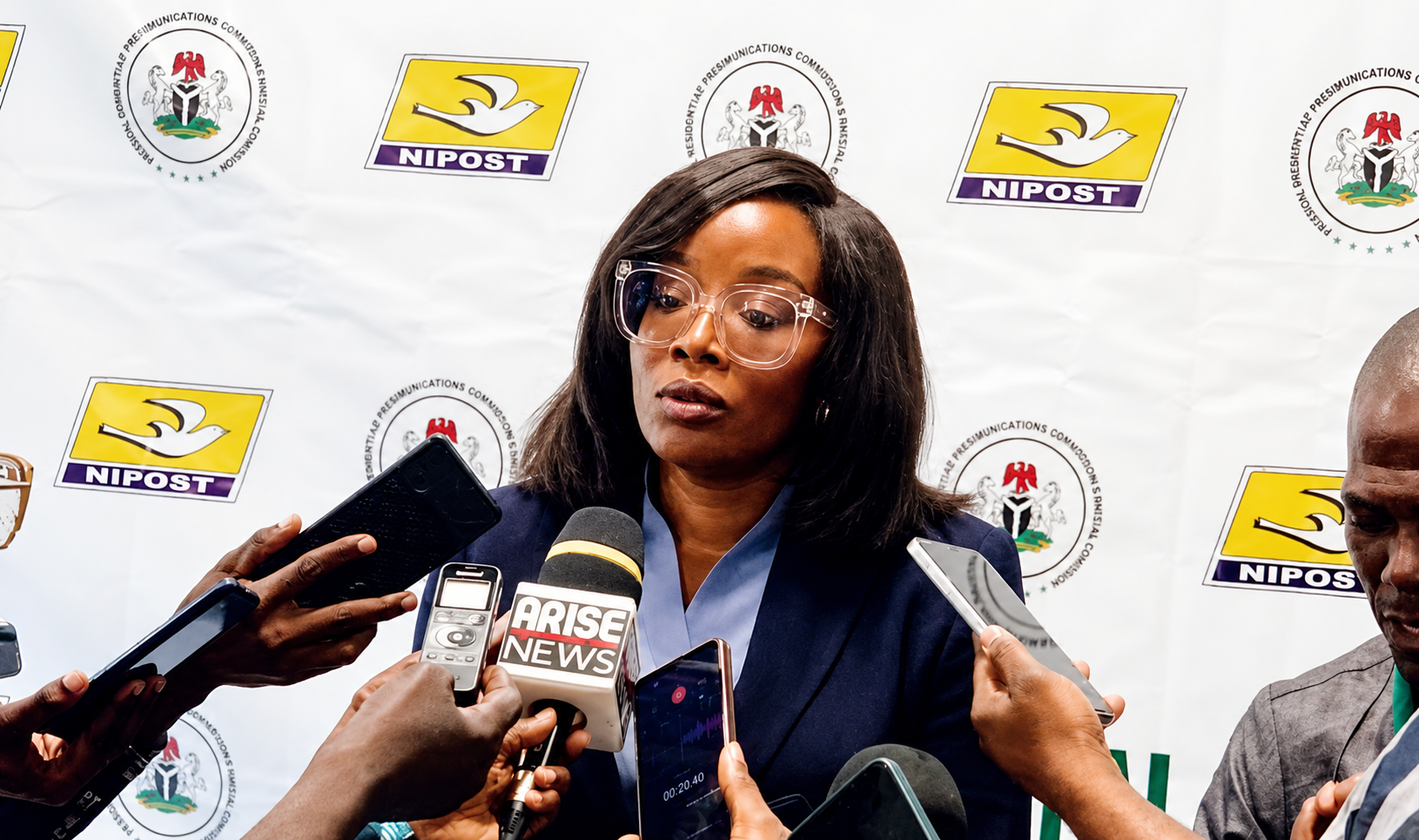
NIPOST's Postmaster General and Chief Executive Officer, Tola Odeyemi, named the real risk plainly at the workshop. Implementation, not technology, will decide whether this system succeeds, she said, framing the task ahead as a move from awareness to actual use. That distinction carries the weight of Nigeria's postcode history.

The 2009 plan did not fail because the technology of digital mapping was unavailable. It failed because the political and administrative follow-through disappeared after a change in leadership.
What3words and Plus Codes did not fail because the concept of a coordinate-based address was flawed. They failed to become the default because no single, mandatory, government-backed standard ever replaced the patchwork Nigerians had built around the postcode's gaps.
Tijani has said stakeholder engagement will continue in the months leading up to the October launch, which suggests the ministry understands that the harder work is not in the GIS mapping but in convincing banks, logistics companies, security agencies, and ordinary citizens to actually adopt a new addressing standard instead of falling back on landmarks and verbal directions.
Seventeen years separate the original 2009 proposal from this October's planned rollout. Whether that long gap produces a system Nigerians actually use, or simply another well-intentioned platform that gets quietly absorbed into the next round of workarounds, will depend on decisions made well after the launch date, in the unglamorous work of enforcement, integration, and habit change that no ministerial announcement can guarantee on its own.