Nigeria’s Hidden Mineral Belt: Why Geologists Are Racing to Map It Now
Fresh research and quiet field discoveries are pulling geologists back into Nigeria’s landscapes, uncovering clues that a major mineral belt may be far richer than the country ever realised
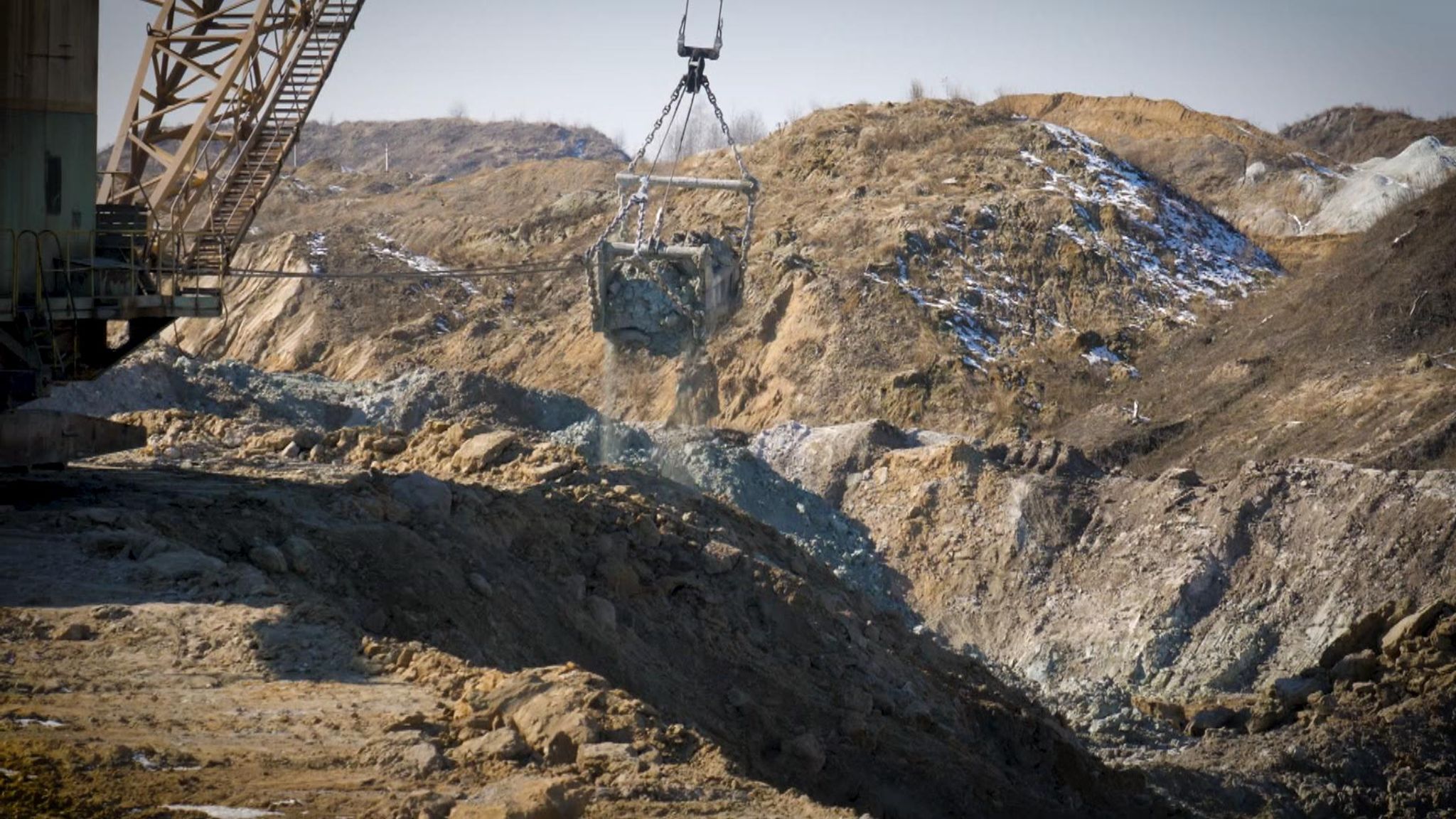
For decades, Nigeria’s mineral story has been told in fragments, scattered discoveries, half-remembered surveys, and old geological maps preserved by the Nigerian Geological Survey Agency slowly fading in government cabinets. What has rarely been acknowledged is that the country’s most promising mineral belt may still be largely unmapped, stretching quietly beneath towns, farmlands, and forests that have never been properly studied, despite repeated warnings about Nigeria’s huge untapped mineral potential
Now, for the first time in years, geologists are returning to the field with renewed urgency. Something has shifted, both in the ground beneath Nigeria’s feet and in the global forces shaping its future, as rising demand forcritical minerals worldwideand new policy directions from the Ministry of Solid Minerals Development push the country to re-examine what lies beneath its soil.
The push isn’t driven by speculation or political speeches. Instead, it stems from a quiet realization among scientists: Nigeria is sitting on a wealth of critical minerals that modern industries urgently need, yet the country’s official geological knowledge has fallen behind by almost half a century.
While global demand for minerals like lithium, nickel, manganese, and rare earth elements accelerates, Nigeria’s map still carries blank patches where these resources may exist but have never been verified.
This gap is no longer academic. It is becoming an economic question and a strategic one.
An Old Map in a New World

Nigeria attempted a nationwide geological survey with full government backing a long time ago. Those maps, important as they were, belonged to a different era, when minerals like gold and tin were the primary targets.
Today’s demand tells a different story. Electric vehicles, batteries, renewable energy systems, and high-tech manufacturing require minerals that many African countries are only beginning to trace.
What makes Nigeria’s situation urgent is that its geology has always hinted at deeper potential, but few systematic efforts have been made to investigate it. Most discoveries in the mineral sector have been accidental: a farmer stumbling on strange rocks, a construction team uncovering coloured clay, or artisanal miners digging without scientific guidance. These fragments suggest a larger pattern waiting to be connected.
Geologists say that parts of Nigeria’s north-central region, sections of the south-west, and stretches of the north-east could form a continuous belt rich in a mix of critical minerals, if further exploration confirms and quantifies them. Recent mapping of industrial deposits across states in the north-central zone, new geophysical surveys in the northern Basement Complex and aeromagnetic studies in the Ilesha Schist Belt of the south-west all point toward widespread mineral potential waiting to be fully documented.
A Race Against International Interest
Global companies have not waited for Nigeria to catch up. Over the past three years, foreign prospectors, particularly those interested in battery minerals have increased quiet scouting trips across West Africa. Countries like Namibia, Zimbabwe, and the Democratic Republic of Congo have already become hotspots for lithium exploration, attracting billions in investments. A recent report by the International Energy Agency highlights how demand for lithium alone has tripled in just a few years.
Nigeria, with its potentially large but poorly mapped deposit zones, risks falling behind in a race where information is currency. For many geologists, this is what has triggered the renewed push for fieldwork.
Several experts note that when a country does not map its minerals, outsiders will do it for them, often discreetly and the home country loses both negotiation power and long-term economic benefit.
Scientists Returning to the Bush
For younger geologists, the current field missions feel like rediscovering an abandoned story. Teams are trekking through rocky terrains, revisiting old mine fields in Plateau and Nasarawa, and conducting fresh soil and rock sampling in regions that haven’t been examined in decades. Some are using handheld spectrometers that scan mineral composition on the spot, a technology highlighted by the U.S. Geological Survey as a game-changer for rapid field analysis.
Their reports reveal a common theme:
The ground is changing, and the clues left behind by erosion, old river paths, and shifting rock formations suggest minerals in places no one previously expected.
In some locations, soil colouration and unusual rock textures have piqued interest. In others, tiny crystal formations hint at the presence of rare mineral veins beneath the surface.

As scientists move through rural routes, local communities are beginning to sense the attention, too. In villages where mining once meant informal pits and unregulated digging, the presence of professional survey teams signals a different kind of future. For some communities, it rekindles hope for structured development. For others, it raises questions about land rights, safety, and whether new explorations will translate into real benefits.
This tension is part of the urgency. Mapping the mineral belt isn’t just about drawing lines on charts, it is about establishing transparency before speculation takes over.
A Strategic Asset in a Volatile Market

Critical minerals have become the world’s new geopolitical chess pieces. Countries are scrambling to secure supply chains as old mining giants face environmental pressure, declining ore quality, or political instability. Nigeria, with its vast landmass and geological diversity, is increasingly seen as a potential player, if it can produce reliable data.
Without a clear map, investors hesitate, policymakers guess, and the country risks undervaluing resources that could transform its industries.
With a map, however, Nigeria gains something more powerful: negotiation leverage.
Countries that fully document their mineral potential are able to set fair prices, enforce stricter environmental standards, and negotiate partnerships that benefit their citizens over the long term.
A 2023 policy briefing by the African Natural Resources Centre (AfDB) notes that countries with strong geological data attract higher-quality mining investments.
Beyond geological excitement, what experts emphasise most is the need for consolidated, accessible data. The absence of updated maps affects everything from mining regulation to revenue forecasting. Many of the existing documents are either outdated, incomplete, or scattered across institutions.
Scientists argue that the real race is not against foreign explorers, it is against time and internal fragmentation. Without accurate mapping, Nigeria risks entering the global mineral market too late or with too little information.
Some governments across Africa have already begun significant re-mapping missions, using drones, satellite imagery, and new geochemical analysis tools. Nigeria’s renewed fieldwork signals a step in that direction, but experts say a full national programme is necessary.
If Nigeria completes a comprehensive mapping of its mineral belt, the impact could be transformative. Industries like battery manufacturing, steel production, ceramics, and electronics could draw directly from local materials. With clear and verified data, the country could negotiate better deals, enforce stronger mining standards, and reduce illegal resource extraction.
But mapping alone is not enough. Experts point to the need for transparent communication, community involvement, and environmental foresight. Without these, even the most promising mineral belt could become a source of conflict rather than development.
The renewed scientific rush is a hopeful sign, but the real test will be whether the country builds sustainable structures around these discoveries.
Conclusion
Beneath Nigeria’s soil lies a mineral belt that could redefine its economic future, yet the knowledge needed to unlock it remains incomplete. Geologists racing to map this hidden corridor are not just conducting fieldwork; they are piecing together a national asset that has been overlooked for decades.
Their work signals a turning point,a recognition that Nigeria’s mineral story is far bigger, deeper, and more complex than earlier chapters suggested.
Whether the country moves from potential to power will depend on how quickly and effectively it chooses to fill in the blank spaces on its map.