Nigeria's Heatwave Emergency: Expert Shares Vital Survival Strategies
Nigeria is under an extreme heat warning until early 2027, prompting medical professionals to advise crucial precautions. Dr. Sheyin David Madaki urges citizens to avoid direct sunlight, stay hydrated, and recognize early signs of dehydration to prevent severe heat-related illnesses. This comes amidst projections of a significant increase in heat-related deaths due to an intensifying El Niño pattern.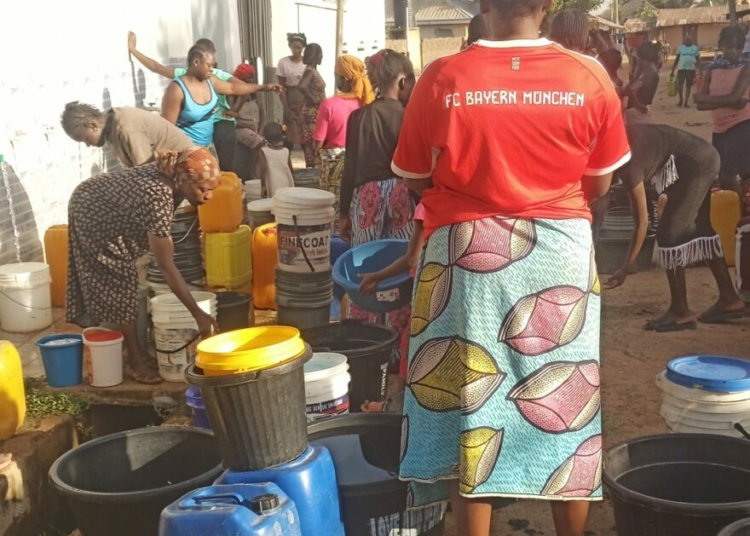
Nigeria is currently facing a severe warning of potentially extreme heat conditions projected to last until February 2027. Dr. Sheyin David Madaki, a former Chairman of the Nigeria Medical Association (NMA) in Kaduna State, has issued crucial advice to Nigerians to mitigate the risks of heat-related illnesses and fatalities. He stressed the importance of avoiding prolonged direct exposure to sunlight, maintaining regular water intake, and recognizing the early indicators of dehydration.
In an interview, Dr. Madaki highlighted that while Nigerians are accustomed to hot weather, the forecasted heatwave is expected to bring more intense temperatures. This escalation in heat significantly increases the susceptibility to dehydration, heat exhaustion, and potentially fatal heatstroke, particularly affecting vulnerable demographics such as children and the elderly. He urged the public to minimize unnecessary outdoor activities during peak heat periods, reduce strenuous physical exertion when under the sun, and consistently seek shade or cooler environments.
Emphasizing proactive hydration, Dr. Madaki advised against waiting until thirst sets in, explaining that feeling thirsty is already a sign of ongoing dehydration. He recommended continuous water consumption throughout the day and carrying drinking water when leaving home.
Key warning signs of dehydration and heat-related illnesses identified by the medical expert include excessive sweating, headaches, dizziness, confusion, and nausea. He cautioned Nigerians against misdiagnosing these symptoms as common ailments like malaria or typhoid. Individuals experiencing these symptoms should promptly move to a cooler environment, consume water if fully conscious and able to swallow safely, and seek immediate medical attention if their condition does not improve or worsens.
Failure to address dehydration early can lead to heatstroke, a life-threatening medical emergency where the body loses its ability to regulate temperature effectively. Dr. Madaki sternly warned that heatstroke demands urgent medical intervention, including measures to cool the body and other appropriate treatments, and should never be managed at home.
Furthermore, Dr. Madaki advised families to pay close attention to children and older people, ensuring they have consistent access to drinking water and cool surroundings, and are not left in excessively hot or poorly ventilated spaces. He also noted that extreme heat can foster conditions for the spread of certain infections, such as meningitis, underscoring the need for vigilance from both individuals and health authorities during periods of unusually high temperatures.
Despite the dire projections, Dr. Madaki cautioned against panic. He clarified that while the forecast is serious, it does not guarantee an epidemic. The risk of heat-related deaths can be substantially reduced through diligent preventive measures, timely recognition of symptoms, and prompt medical intervention. This critical warning comes as the Climate Impact Lab projects that Nigeria could experience an additional 31,400 heat-related deaths between September 2026 and February 2027 compared to an average year, a consequence of an intensifying El Niño weather pattern.