Nigeria, Germany Deepen Partnership with Fresh Push on Energy, Technology and Security
Nigeria and Germany have reaffirmed their strategic partnership, pledging deeper cooperation in renewable energy, technology, trade, manufacturing, security and education during high-level talks in Abuja.
Nigeria and Germany have agreed to strengthen their long-standing partnership, with both countries pledging closer cooperation in renewable energy, technology, security, trade and human capital development.
The commitment was made during talks in Abuja between Nigeria's Minister of Foreign Affairs, Ambassador Bianca Odumegwu-Ojukwu, and Germany's Foreign Minister, Johann Wadephul, who described the relationship as one built on more than six decades of mutual trust and shared interests.
"Nigeria remains one of Germany's most important partners in Africa," Wadephul said, noting that diplomatic relations between the two countries date back to Nigeria's independence in 1960.
Stronger Focus on Energy Access
A major outcome of the visit was renewed cooperation to expand electricity access across Nigeria by 2030 under the country's Mission 300 initiative.
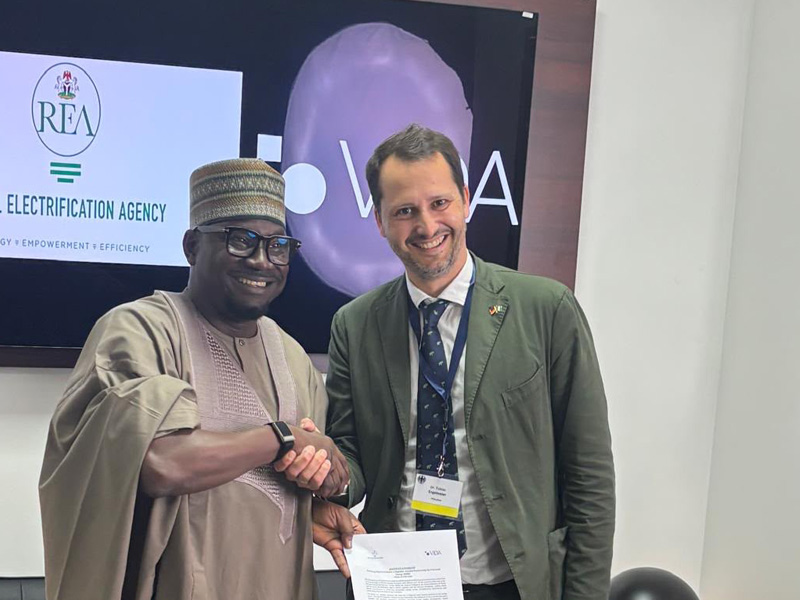
The commitment was reinforced through a joint agreement signed by Nigeria's Rural Electrification Agency (REA) and German technology company VIDA.place GmbH to support digital solutions aimed at accelerating rural electrification.
According to the Rural Electrification Agency, more than 4.5 million Nigerians have already gained access to electricity through its programmes, with German-backed technology helping improve planning and attract private investment.
Trade and Investment on the Agenda
The two governments also pledged to increase trade and investment, particularly in manufacturing, renewable energy, transport infrastructure, agriculture and technology.
Germany remains one of Nigeria's largest European trading partners, with bilateral trade growing by about 10 percent over the past year.
During engagements with business leaders, Wadephul described Nigeria as an economic powerhouse with significant opportunities for German investors, especially in engineering, industrial production and the country's fast-growing technology ecosystem.
The discussions also highlighted the role of the Nigeria-Germany Business Forum in strengthening commercial ties between businesses in both countries.
Security Cooperation Remains a Priority
Beyond economic issues, both countries reaffirmed their commitment to tackling regional security challenges, including terrorism and violent extremism across West Africa and the Sahel.
Odumegwu-Ojukwu praised Germany's continued support for ECOWAS in promoting regional peace, democratic governance and humanitarian assistance, while Wadephul reiterated Berlin's commitment to supporting security and stability initiatives in the region.
Investing in Skills and Innovation
Education and workforce development also featured prominently during the talks.
Nigeria expressed interest in expanding collaboration in vocational training, research and innovation, citing Germany's technical education system as a model that could help equip more young Nigerians with industry-ready skills.
The meeting builds on commitments reached through the Nigeria-Germany Bi-National Commission and reflects Abuja's broader efforts to attract investment while strengthening partnerships that support economic growth and sustainable development.