Niger Coup Crisis: Army Reasserts Control in Niamey with Russian Backing
Niger is grappling with a mutiny as soldiers have taken refuge in Base 101, prompting the military command to request intervention from Russia's Africa Corps. This crisis underscores the persistent instability in a nation where a military junta seized power in 2023, revealing the limitations of coups to solve core national problems and posing significant regional threats, particularly to Nigeria.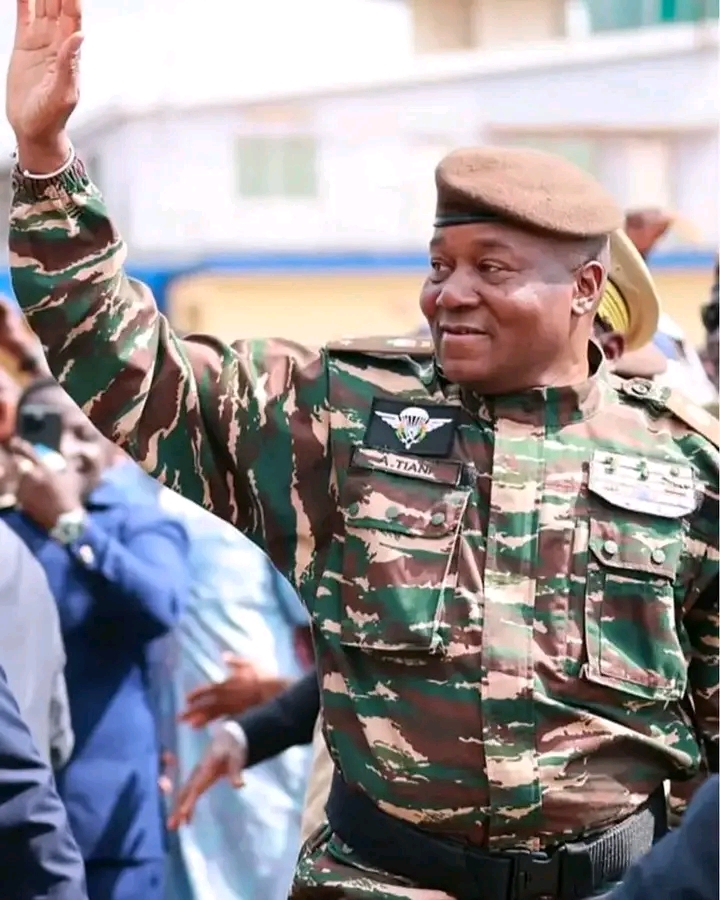
Niger is currently facing a significant internal crisis, with reports indicating that mutinous soldiers have barricaded themselves inside Base 101. This grave situation has led Niger’s military command to formally solicit assistance from Russia’s Africa Corps, a unit operating under the Russian Ministry of Defence, to launch an assault against the rebels. The Alliance of Sahel States (AES) has condemned the mutiny, praising the loyalty of Niger’s republican forces and labeling the act of rebellion as a profound betrayal.
This recent upheaval comes three years after Niger's military junta seized power in 2023, having justified their coup by alleging failures on the part of politicians and citing unbearable insecurity within the country. The junta claimed that only military rule could rescue the nation from its troubles. However, the current events reveal a critical paradox: soldiers have now turned their weapons not against jihadists or foreign adversaries, but against their own government—a military regime they themselves established.
This cycle highlights a fundamental trap inherent in coups d'état: while a coup can change the individual or group holding power, it inherently fails to alter the underlying conditions of a country. A military takeover does not automatically guarantee secure borders, defeat insurgencies, or maintain the unwavering loyalty of its own armed forces when circumstances deteriorate. The pattern observed is one where, today, the military might declare that politicians have failed, only for another faction of soldiers to emerge tomorrow, asserting that the military itself has similarly failed. Such a scenario perpetuates a cycle where governments are repeatedly overthrown without the nation's core problems ever being adequately addressed.
Furthermore, Niger’s internal instability is not an isolated issue; it carries significant regional ramifications. Neighboring Nigeria, in particular, shares an extensive and porous border with Niger, facilitating the uncontrolled movement of weapons, fighters, and refugees across national lines. Consequently, any factor that destabilizes Niger inevitably poses a threat to Nigeria’s own security and stability. The crisis underscores that both democratic and military forms of governance are susceptible to failure. The paramount question, therefore, shifts from merely identifying who occupies the presidential palace to determining whether the state possesses the capability to effectively protect its citizens.