Caterpillar Harnesses Mining Automation for AI Deployment Breakthrough
Caterpillar is leveraging its extensive industrial experience to aggressively deploy AI and autonomous technologies, extending from mining to construction. The company's initiatives include the Cat AI Assistant for technicians and significant investments in workforce training, contributing to record revenues driven by demand for AI infrastructure.
Industrial giant Caterpillar is strategically leveraging its decades of experience in integrating complex technology into physical operations to navigate the current challenges of deploying artificial intelligence (AI).
This is recognizing the common hurdle companies face in embedding AI into everyday processes, Caterpillar is applying its deep-rooted knowledge from the physical world to accelerate its AI and autonomy initiatives.
Caterpillar's significant push into the autonomous space began in the mining sector, an environment where severe labor shortages and inherent hazardous conditions make automation exceptionally valuable.
With building on this foundation, the company now offers a comprehensive suite of automated solutions, including haul trucks, drilling equipment, underground loaders, dozers, and remote-controlled construction machinery.
Complementing this hardware, Caterpillar provides an autonomous toolkit that encompasses a software command center, advanced fleet management systems, and innovative remote terrain intelligence capabilities.
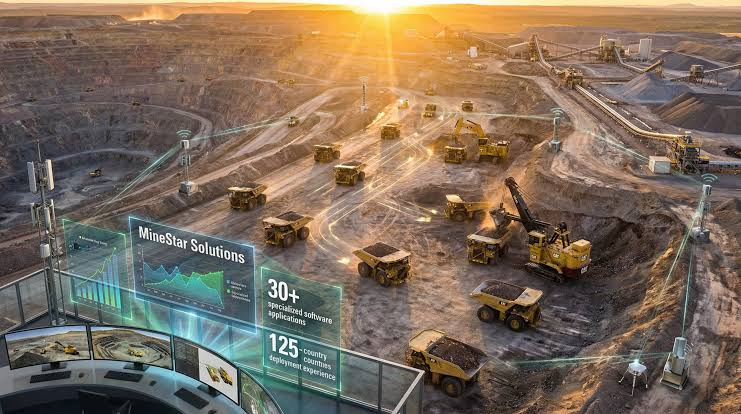
According to Caterpillar's CTO, Jaime Mineart,the company is now in an exciting phase of transferring these crucial learnings from mining operations to more dynamic and diverse environments, such as various jobsites, quarries, and general construction sites.
This broader application signifies a strategic expansion of their autonomous and AI capabilities.
Caterpillar is also integrating AI into tools used by its technicians and employees. A prime example is the Cat AI Assistant, which empowers field technicians to utilize voice commands directly at a machine.
This assistant can pull up detailed repair procedures, assist in troubleshooting potential problems, and accurately identify necessary parts before any repair commences.
Mineart confirmed that this tool is already being actively used by customers, operators, and technicians, demonstrating its immediate practical value.
The Cat AI Assistant, along with other AI applications, is powered by Caterpillar’s vast repository of proprietary data. This data originates from approximately 1.6 million connected assets globally and comprises over 16 petabytes of structured information.
Beyond direct machine interaction, Caterpillar employs AI to power software for site scanning, generating digital twins in manufacturing for operational analysis, and optimizing enterprise operations.
Furthermore, AI agents are critical in modernizing legacy code, generating and testing new software, and proactively identifying defects in software development processes.
However, Mineart emphasizes that developing the technology is merely one aspect of the challenge.
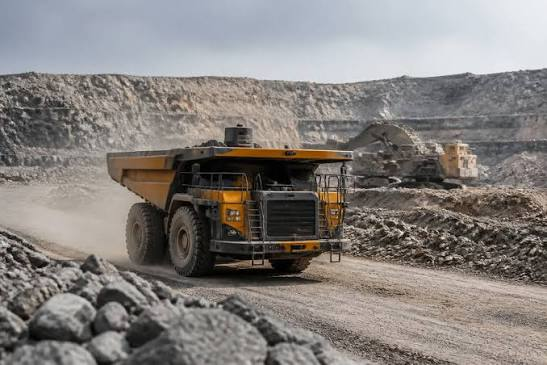
The more intricate task lies in effectively deploying autonomous machines and transforming existing sites to fully utilize AI.
This involves a fundamental rethinking of how people interact with technology and how established workflows must adapt.
The company actively involves experienced operators in training its AI systems, leveraging invaluable institutional knowledge accumulated over decades.
As machines become increasingly autonomous, operator roles are evolving, with some shifting from controlling a single machine to overseeing multiple machines remotely from a command center.
This transition necessitates a significant investment in workforce training. Caterpillar plans to allocate $100 million over the next five years to train its 118,000 employees in essential skills related to AI, autonomy, and robotics.

This investment is also aligned with capitalizing on the booming AI infrastructure market, which is already positively impacting Caterpillar’s financial performance.
The company reported a record quarterly revenue of $20.5 billion in the second quarter, significantly bolstered by robust demand for power-generation equipment, particularly that used in data centers.
The power-generation division experienced a remarkable 72% surge in sales, reaching $3.10 billion, with CEO Joe Creed noting the unrelenting demand for cloud computing and generative AI infrastructure.