Netflix Is Winning With Cheaper Subscription Tiers and a Fast-Growing Ad Business
Netflix’s Q1 2026 earnings reveal a major shift: from chasing subscribers to building a diversified, ad-powered entertainment business that profits even when users watch less.
There was a time when Netflix's entire future depended on the number of subscribers on their app.
Every quarter, investors and analysts held their breath, waiting for that subscriber count to go up. That era is officially over and the company knows it.
Netflix reported its Q1 2026 earnings on April 16, pulling in $12.25 billion in revenue which is up 16% year-on-year, beating analyst expectations of $12.18 billion. Adjusted earnings per share came in at $1.23, nearly double the 76 cents projected.
The numbers were impressive and the story behind them is more important than the headline figures.

From Streaming Service to Entertainment Conglomerate
Over the last few years, the company has quietly built a business that makes money from advertising, live events, and gaming, all revenue streams that do not all depend on how many hours you spend watching.
In its shareholder letter, Netflix stated that no other entertainment company has tried to program at its scale, for as many tastes, cultures and languages.
The goal has shifted from getting subscribers to extracting value out of every possible angle of the entertainment economy.
The Ad Tier Is Now a Real Business
When Netflix launched its ad-supported tier in late 2022, many people rolled their eyes.
This was the company that had spent a decade refusing to run a single commercial. It turned out to be one of the most important decisions Netflix ever made.
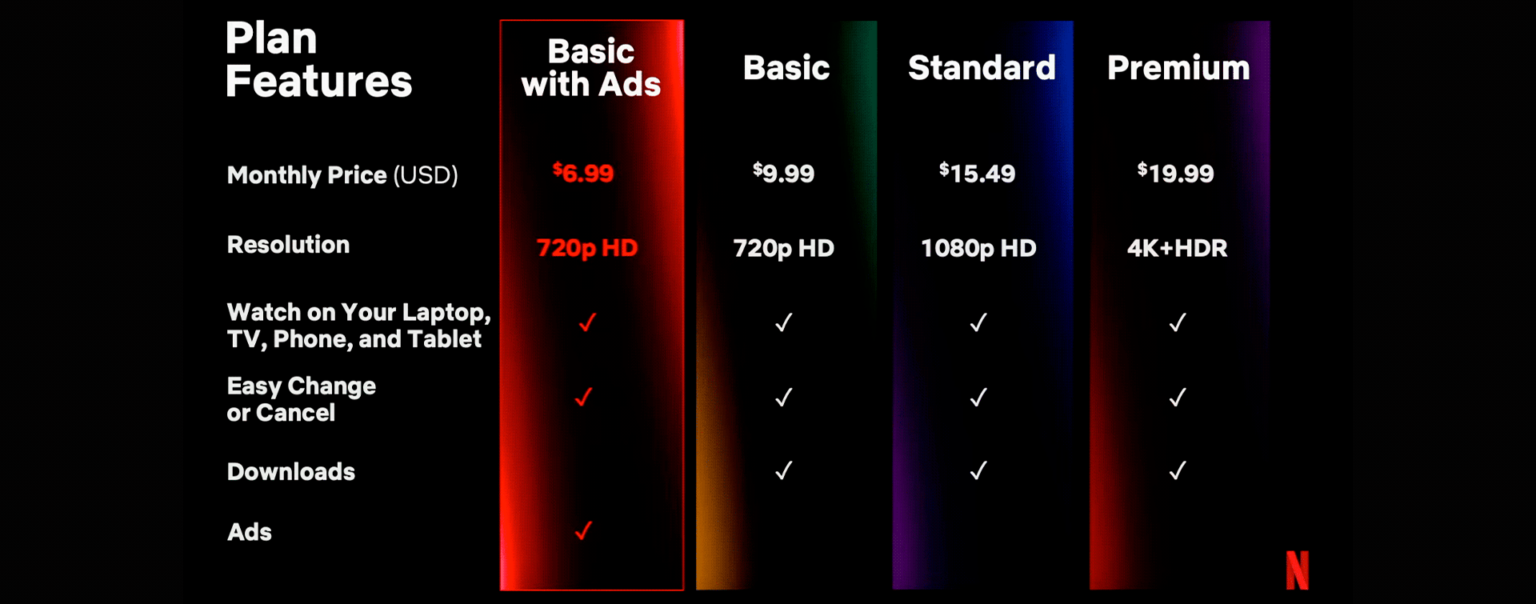
As of November 2025,190 million monthly active viewers were on the ad tier. That figure now represents 40% of all active Netflix accounts, and 40% of new subscribers are choosing the cheaper, ad-supported option over the premium plans.
In 2025, Netflix generated approximately $1.5 billion in advertising revenue, roughly 150% more than the year before.
The company says its ad segment is on track to reach $3 billion by the end of 2026, doubling year-over-year.
What was once dismissed as a last resort has become the primary entry point for new users and a critical second revenue engine for the business.
Advertising Changes the Whole Equation
The old Netflix model was simple but vulnerable: charge a monthly subscription fee, spend billions on content to keep people from cancelling, and pray the subscriber count keeps going up.
If people watch less, that model suffers. If people cancel, it suffers more.
The advertising model changes the math. A subscriber on the ad tier still generates revenue whenever they open the app, and a subscriber on a cheaper plan who tolerates commercials still contributes to the bottom line.
Netflix co-CEO Greg Peters has acknowledged that ad-tier subscribers generate less revenue per user than ad-free ones, but he frames the gap as an opportunity. As targeting improves and ad rates rise, the economics will shift.
By 2027, analysts project Netflix will capture more than 9% of global connected TV ad spend.
Live Events Are Creating Appointment Viewing
The other major pillar of Netflix's evolving business model is live entertainment.

The company secured a $5 billion WWE deal to broadcast Monday Night Raw, paid $150 million to stream NFL Christmas games and drew 108 million viewers when Jake Paul faced Mike Tyson in November 2024.
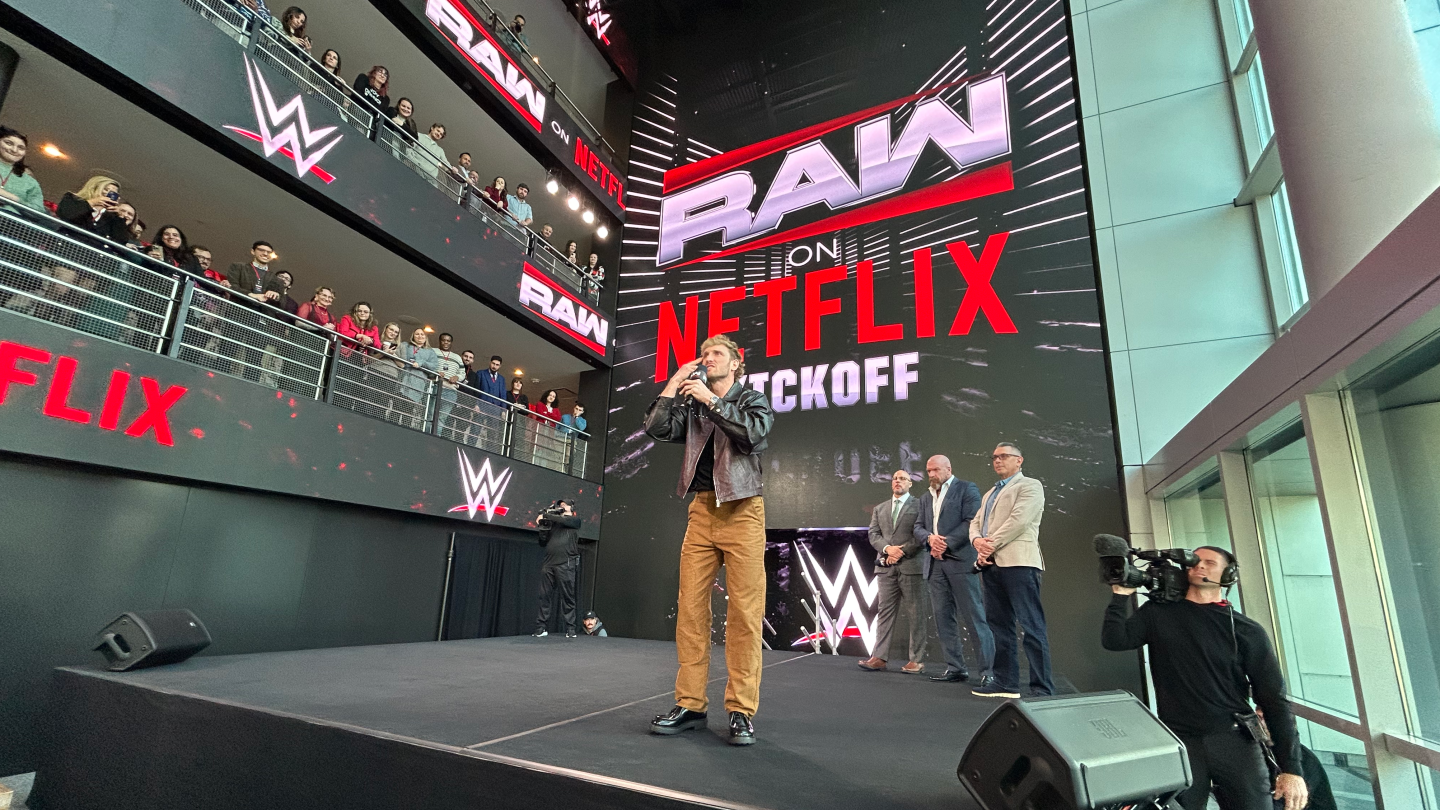
Live events accomplish something that on-demand content cannot: they create urgency.
People show up for live events because they have to. There is no watching it later, no skipping around and no losing interest halfway through.
That urgency matters enormously for advertisers. Sports viewers are far less likely to skip ads during live broadcasts, which means Netflix can charge premium rates for that inventory.
Price Increases and the Confidence Behind Them
Netflix announced a fresh round of price increases on March 26, with the full impact expected to land in Q2 results.
The company is projecting 13% revenue growth for the second quarter and is guiding for a 31.5% operating margin for the full year, up from 29.5% in 2025.
These are not the projections of a company that is nervous about its future.
Netflix has also reaffirmed its full-year 2026 revenue forecast of $50.7 billion to $51.7 billion, a signal that leadership is confident in what they have built.
The Company Reed Hastings Is Leaving Behind
Netflix co-founder Reed Hastings is leaving the board in June, stepping away from the company he built from a DVD-by-mail service into a global entertainment giant.
What he leaves behind is a business model almost unrecognisable from the one he started.
Netflix is no longer betting everything on whether you decide to watch something tonight.
It is building a system that makes money whether you binge for six hours, catch a live boxing match, or barely open the app at all.
Based on the Q1 2026 numbers, that system is working.