Must-Read: 'Trio: Change Is Not Welcome Here' Book Review Sparks Buzz!
"Trio" is a debut novel that explores the complex political landscape of Ikain, a land plagued by corruption and resistance to change. Through the eyes of three distinct heirs—Ardarora, Uzhor, and Ifarnyi—the story unravels layers of conspiracy and questions how a new generation can usher in progress against a stagnant past. It's a gripping narrative about identity, leadership, and the disruptive force of inevitable change.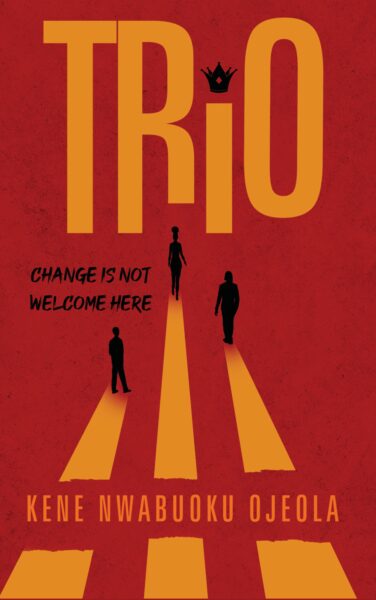
The novel "Trio" plunges readers into the intricate and often turbulent reality of Ikain, a land grappling with deep-seated corruption, divided factions, and a government shrouded in secrets. Through its compelling narrative, the book skillfully exposes the profound societal ills that plague Ikain, focusing particularly on the inherent conflict between outdated traditions and the transformative, often disruptive, nature of change.
For generations, three prominent families have governed Ikain, serving as the bedrock of its culture and national identity. They were once credited with fostering growth, stability, and progress. However, over time, a pervasive rot began to fester within these ruling families, culminating in a crisis exacerbated by the devastating Conid plague. This period of upheaval necessitates a radical shift, demanding that the old guard relinquish power to a new generation of leaders—a change they vehemently resist but which is ultimately inevitable.
At the heart of these unfolding events are Ardarora, Uzhor, and Ifarnyi, the eponymous trio whose individual perspectives illuminate the complex web of sedition, betrayal, and conspiracy. More than mere heirs caught in a political maelstrom, they embody Ikain's long-unanswered question: who determines the future when the past remains stubbornly entrenched?
Ardarora, a young woman of keen perception, navigates the treacherous waters of royal birth. Despite her lineage, she faces relentless public criticism for every perceived misstep, experiencing firsthand the immense pressure of visibility and the expectation that a woman born into privilege must still earn every iota of respect. Her strength, quiet but unyielding, allows her to stand tall and maintain a brave front, even when societal forces attempt to diminish her.
Uzhor, the king's direct descendant, is destined to inherit the throne. His seemingly carefree demeanor serves as a protective facade, concealing deep-seated fears and doubts about his impending leadership. He grapples with the understanding that the throne is both an inheritance and an immense burden, his internal conflict reflecting the demanding nature of a role that requires more than just lineage. Uzhor's struggle extends to his identity, as he longs for genuine connection yet vehemently shields himself from it, constantly battling the pressure to appear refined and worthy while yearning to be truly known.
Completing the trio is Ifarnyi, an enigmatic figure who constructs emotional walls out of both fear and principle. He is the provocative character who challenges the status quo, pushing both himself and others, often communicating more through his potent silence than through overt declarations. Together, their combined innocence clashes sharply with the darker truths of their world, propelling Ikain towards a reckoning that can no longer be delayed.
The novel powerfully asserts that change is rarely a polite arrival; instead, it disrupts, exposes, and demands. It serves as a stark revealer, distinguishing those who have grown comfortable in corruption from those brave enough to risk everything for genuine renewal. Beyond merely a tale of rightful heirs and political upheaval, "Trio" functions as a mirror reflecting any complacent system, reminding readers that stability without progress inevitably devolves into stagnation cloaked in tradition.
The characters, though flawed, exhibit a quiet bravery and resilience that compels readers to root for them despite overwhelming odds. A significant recurring theme is the trio's struggle with identity and belonging—each member grappling with who they are versus who society permits them to be. The narrative poignantly explores how identity becomes politicized in a kingdom where every choice is scrutinized under an unforgiving lens, raising crucial questions about personal freedom within restrictive systems.
Furthermore, "Trio" confronts the difficult question of whether a society that steadfastly clings to ignorance can ever truly attain the wisdom necessary for advancement. Ikain's populace, by choosing to remain on the periphery of knowledge, finds itself perpetually stagnant, allowing suffering to impede progress rather than forge strength. The entrenched power structures prioritize predictability, even when it directly harms the very people they purport to protect.
Ultimately, the narrative is not just a political struggle but a quiet, persistent battle between the entrenched past and an unavoidable future. While the Conid plague might have initiated Ikain’s unravelling, the true fracture stems from its leaders' stubborn refusal to embrace change, a sentiment perfectly encapsulated by the tagline "Change is not welcome here." Amidst this political warfare, the author, Ojeola, subtly weaves in a gentle exploration of love, positioning it as a firm, understated core of the narrative.
This debut fiction is rich with teachable moments and offers thoughtful solutions that resonate far beyond Ikain's borders. By narrating the story through the eyes of the ruling factions, the author provides a rare and insightful glimpse into how power confronts its own failures and endeavors to navigate formidable challenges. "Trio" is presented as a compelling and worthwhile read, offering profound reflections on governance, humanity, and the relentless march of progress.