Musk's Grand Orbital Data Center Plan Sparks Skepticism
Industry leaders are divided on the feasibility of orbital data centers, with SoftBank CEO Masayoshi Son expressing strong skepticism due to cost and timeline concerns. This debate, intensified by the global AI compute constraint, highlights the self-serving motivations of key players like Elon Musk's SpaceX, which stands to gain substantial business from such ventures.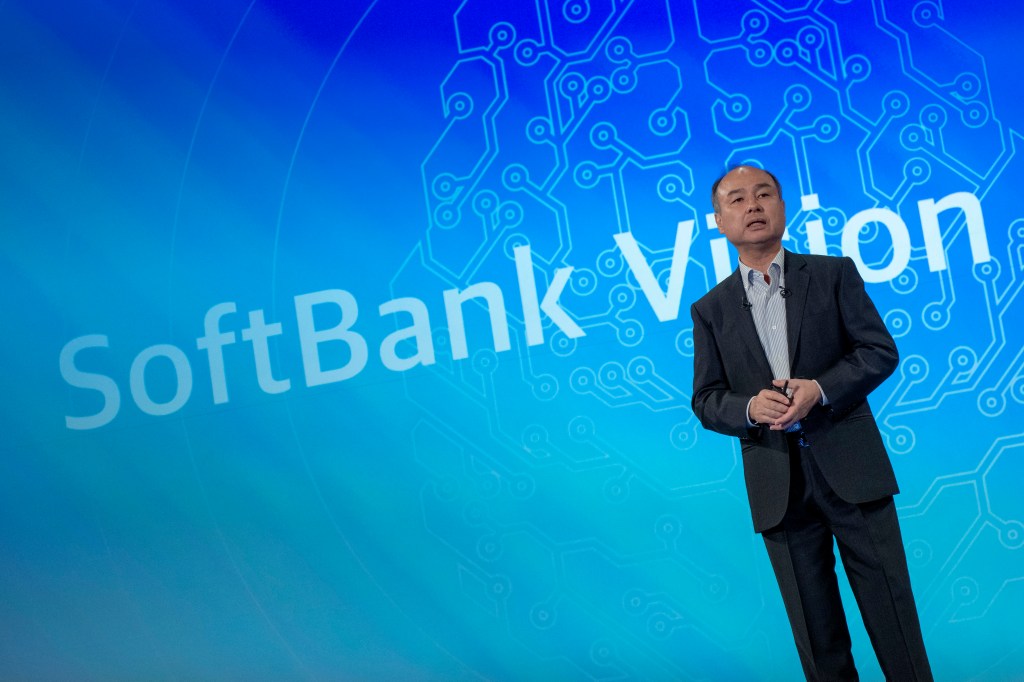
The concept of orbital data centers, championed by figures like Elon Musk, faces significant skepticism from industry leaders, most notably Masayoshi Son, the founder and CEO of SoftBank. Son voiced his doubts at a recent shareholder meeting, arguing that building data centers in space would be prohibitively expensive and time-consuming, a luxury the fiercely competitive AI landscape cannot afford, as the immediate future holds more importance than long-term, decade-out ventures.
This debate was a central topic on TechCrunch’s Equity podcast, where Kirsten Korosec, Sean O’Kane, and Anthony Ha discussed Son’s remarks in the context of broader industry developments, including OpenAI’s custom chip plans and Groq’s substantial funding. Korosec found it ironic that Son, whose SoftBank has a "long history of wild bets," would be the skeptic. O’Kane pointed out that Musk’s vision of a "constellation of satellites" for an orbital data center, requiring frequent replacement, primarily serves to "guarantee that much more business" for his other venture, SpaceX, particularly its launch services.
The current landscape is characterized by an intense "compute constraint," leading many entities to pivot towards providing computing resources, dubbed "neo-clouds." Companies like Groq, and even unexpected players like the transformed Allbirds, are vying to lease out compute capacity. SpaceX itself, beyond its core space endeavors, is actively renting out its compute resources, indicating a pervasive scramble for processing power. This drive for compute has led to exploring radical solutions, such as space-based data centers, despite the considerable engineering and economic challenges.
Anthony Ha highlighted that while the need for data centers is immense and terrestrial construction faces various obstacles, Son’s points about the long development timelines for orbital solutions are valid. Such projects would not address the immediate compute demands. Sean O’Kane further elaborated on SpaceX’s launch business, noting its overwhelming reliance on Starlink. He suggested that proposing an orbital data center, which would require a continuous cycle of satellite launches and replacements, strategically boosts SpaceX’s core launch revenue.
The discussion also touched upon the "talking your own book" phenomenon, where executives’ predictions for the future often align with the strategic advantages of their own businesses. For Musk, promoting orbital data centers benefits SpaceX’s launch and compute divisions. For SoftBank, heavily invested in terrestrial data centers, skepticism about space-based alternatives reinforces their existing strategy. Even Sam Altman, another significant figure in AI with a complex history with Musk, has reportedly expressed reservations about orbital data centers. This underscores that in the high-stakes world of AI and computing, objective, impartial observations are rare, with significant financial interests at play for all stakeholders.