Mozambique Court Blocks Government Powers to Shut Down the Internet
Mozambique’s courts have drawn a line against government Internet shutdown powers. The landmark ruling could reshape digital rights and protect millions of citizens from unlawful restrictions on communication and information.

The Mozambique's Constitutional Court has struck down key parts of a government regulation that gave authorities broad powers to monitor communications and restrict telecommunications services.
The ruling is being welcomed by civil society and press freedom groups as an important victory for freedom of expression, privacy and access to information.
The decision comes after years of concerns over Internet shutdowns in Mozambique, particularly during elections and periods of political unrest.
It could now set an important precedent for how the government handles digital rights and Internet access in the future, while giving citizens greater protection against unlawful communication restrictions.
Court Challenges Government's Internet Shutdown Powers
At the end of July 2026, Mozambique's Constitutional Court ruled that several provisions of Decree No. 48/2025, known as the Telecommunications Traffic Control Regulation, were unconstitutional.
The regulation, introduced on December 16, 2025, gave the National Communications Institute of Mozambique (INCM) powers to install and maintain traffic-monitoring systems within telecommunications operators' networks.
It also allowed the regulator to implement judicial orders to interrupt or restrict telecommunications services and block traffic considered fraudulent.
However, the Constitutional Court found that parts of the regulation violated fundamental rights, including freedom of expression and information, the right to privacy and the inviolability of communications.
The case began with a petition filed by the Center for Democracy and Human Rights (CDD) on January 29, 2026.
The Ombudsman later referred the matter to the Constitutional Court on February 17, leading to the court's ruling about five months later.

Why Internet Access Matters in Mozambique
The ruling comes as Mozambique continues to struggle with limited Internet access.
At the beginning of 2025, about 6.96 million people were using the Internet, representing only 19.8% of the population, according to DataReportal.
High costs, limited broadband coverage and a lack of access to digital devices remain major barriers.
The government figures indicate that more than half of the population cannot afford Internet services or basic electronic devices, while many rural communities still lack reliable mobile and broadband coverage.
Despite these challenges, Mozambicans have experienced Internet disruptions during politically sensitive periods.
The shutdowns were reported during the 2019 and 2024 general elections, while CDD previously challenged restrictions in court and obtained an order in 2024 directing mobile operators not to block Internet access.
Rights groups argue that such disruptions can affect far more than social media, because the internet shutdowns can prevent people from accessing news, communicating with family, running businesses, studying and documenting potential abuses.
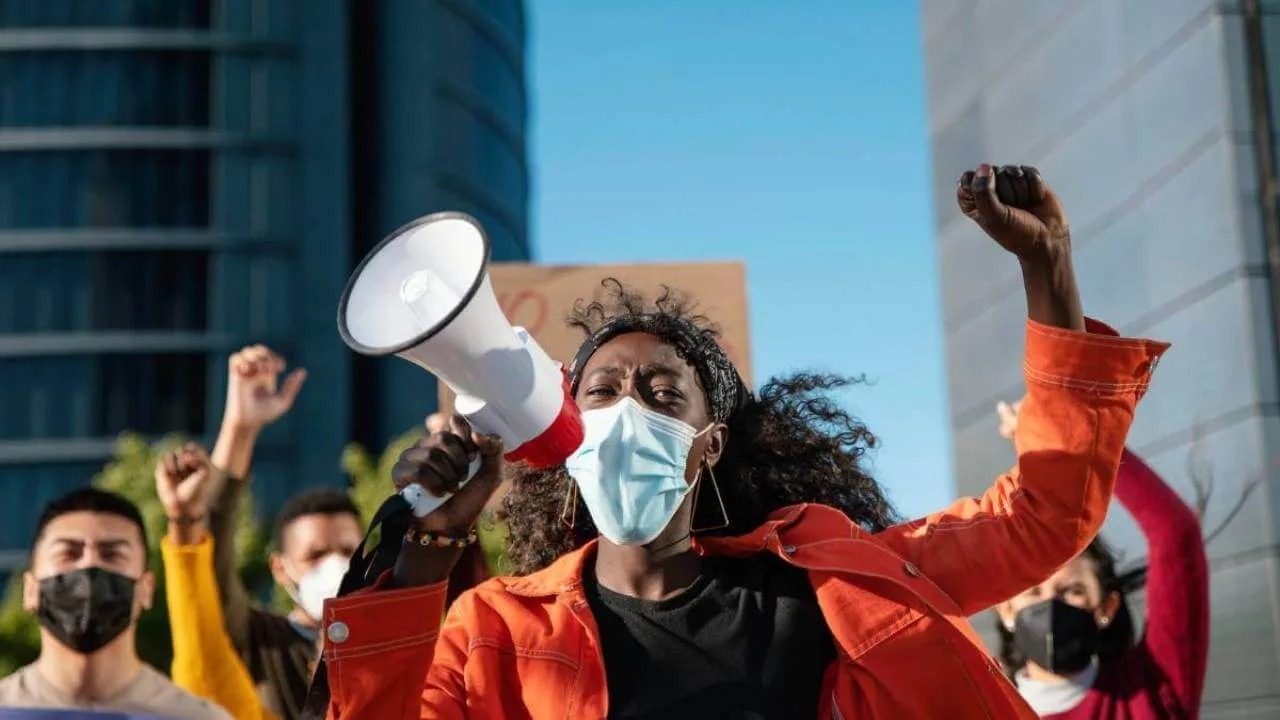

Rights Groups Welcome the Landmark Decision
The Constitutional Court's decision has received support from international press freedom and human rights organizations.
The Committee to Protect Journalists (CPJ) welcomed the ruling, saying it protects Mozambicans' ability to access information and helps defend civic space.
The CPJ Africa Director, Angela Quintal also described the decision as significant beyond Mozambique, particularly as other African governments continue to restrict online communication.
Human Rights Watch has similarly warned that Internet restrictions can seriously affect people's rights and livelihoods, including their businesses and education.
The organization has argued that any restrictions should be narrowly applied, legally justified and designed to cause as little harm as possible.
Human Rights Watch also criticized the lack of transparency surrounding previous restrictions, saying this has contributed to concerns that shutdowns could be used to suppress protests and criticism of government authorities.
The issue is not unique to Mozambique. Internet shutdowns and social media restrictions have been reported in several African countries, including Uganda, Tanzania and Senegal.
In May 2025, Kenya's High Court also ruled against government and telecommunications authorities shutting down or disrupting Internet access.
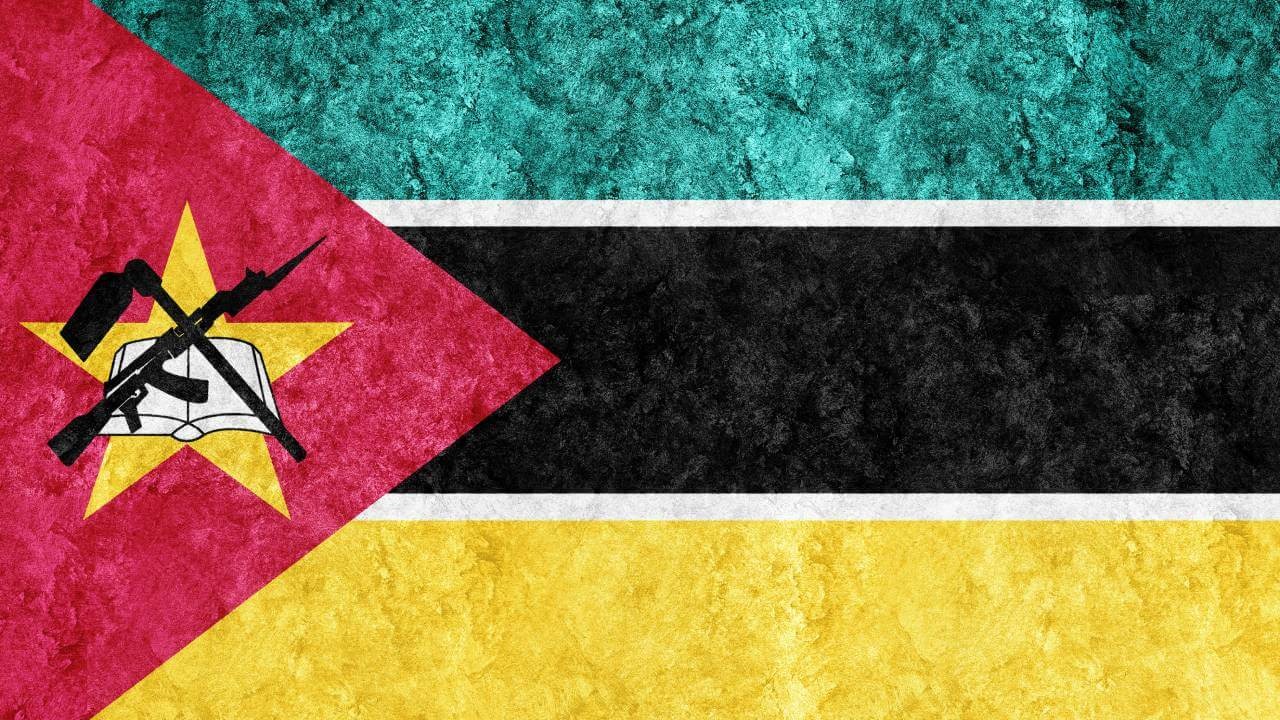
What the Ruling Means for Mozambique's Digital Future
The immediate question is whether the Mozambican government will fully comply with the Constitutional Court's ruling by repealing or amending the disputed regulation.
The government has previously faced criticism from civil society and international organizations over Internet restrictions.
For CDD director, Prof. Adriano Nuvunga, the ruling is particularly important because Internet access has become closely connected to fundamental rights.
He pointed to the October 2024 post-election crisis, when Internet and social media restrictions prevented citizens from communicating freely, accessing information, reporting alleged violations and participating fully in public life.
CDD has made clear that it intends to continue challenging unlawful restrictions through the courts if necessary.
The ruling therefore represents more than a decision about telecommunications regulations.
It establishes an important legal test for how far governments can go in controlling digital communication while respecting constitutional rights.
For millions of Mozambicans who depend on the Internet for information, work, education and public participation, the decision could become an important safeguard against future shutdowns.