Medical Breakthrough: New Blood Test Detects Thousands of Genetic Conditions in Pregnancy
A new maternal blood test called NIFS can detect thousands of genetic conditions in a foetus with up to 99% accuracy offering a safer alternative to amniocentesis and CVS.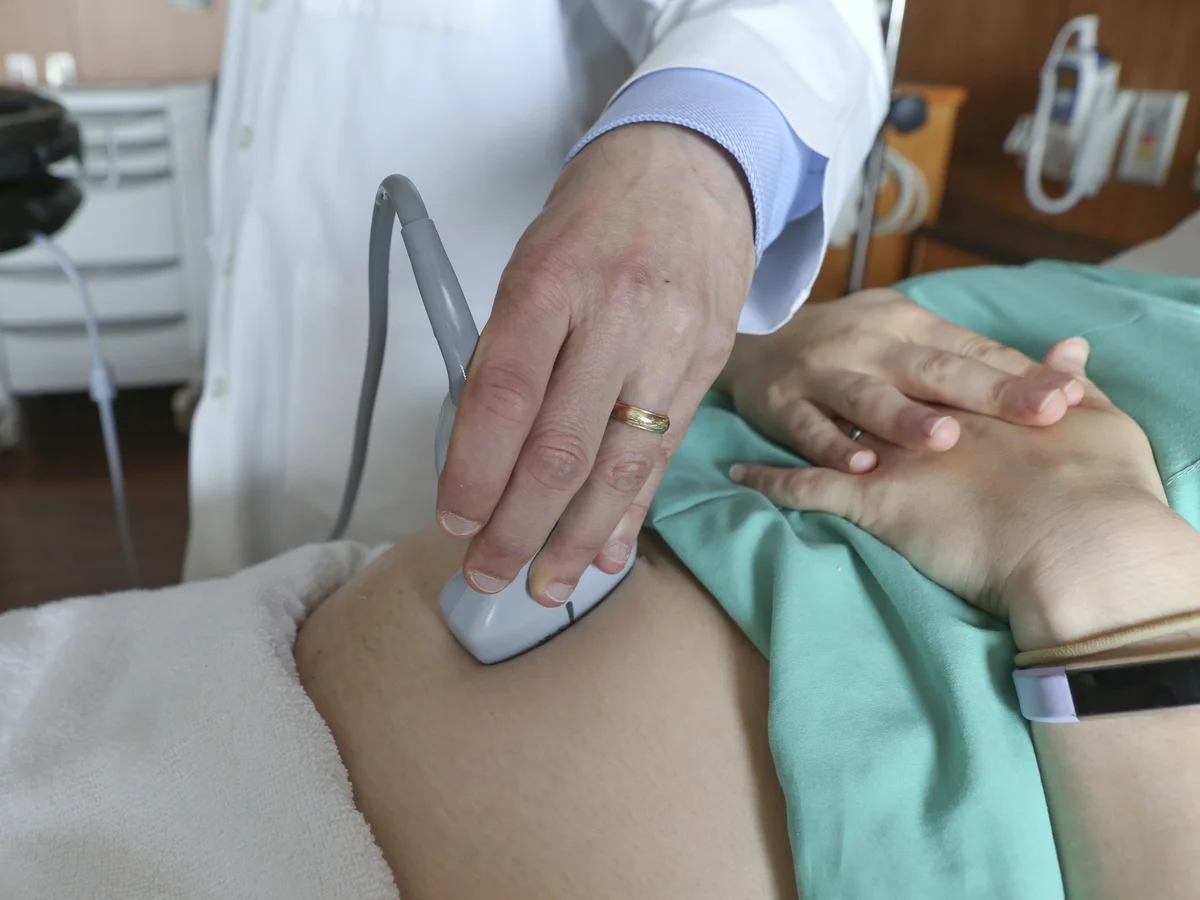
Scientists have developed a groundbreaking maternal blood test capable of detecting thousands of serious genetic conditions in a developing foetus, potentially revolutionizing prenatal diagnostics and significantly reducing the reliance on invasive screening methods during pregnancy.
This innovative technique, known as non-invasive foetal sequencing (NIFS), offers a safer and equally accurate screening tool for all pregnancies.
The NIFS test operates by identifying minute fragments of the foetus’s DNA that naturally circulate within the mother’s bloodstream.
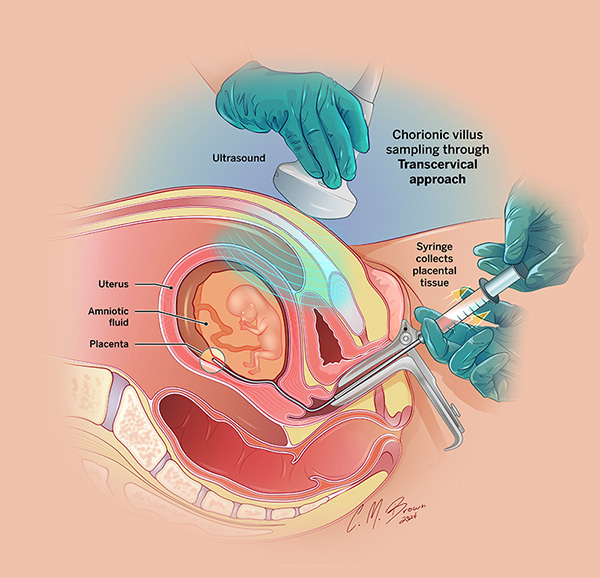
Through the application of advanced sequencing techniques, researchers have achieved the remarkable ability to pinpoint a very high proportion of genetic conditions, such as cystic fibrosis, which traditionally could only be reliably diagnosed through high-risk procedures like amniocentesis or chorionic villus sampling (CVS).
Dr. Christopher Whelan, a senior computational scientist at the Broad Institute of MIT and Harvard University, highlighted the test's extensive capabilities, stating, "This test is capable of detecting thousands of serious genetic conditions, including the majority of the conditions that appear on the major newborn sequencing and foetal anomaly panels, such as the over 2,500-gene Genomics England foetal anomalies panel."
He added that conditions like Noonan syndrome, Charge syndrome, Stickler syndrome, and achondroplasia were successfully detected in their validation study, with early diagnoses potentially altering pregnancy, delivery, or newborn care.
While non-invasive blood tests leveraging foetal DNA have previously transformed prenatal diagnostics, their application has historically been restricted to a limited array of conditions such as Down’s syndrome.
The NIFS test, pending further confirmation of its reliability, promises to vastly expand this scope to encompass almost all genetic conditions typically covered by newborn screening.
Dr. Whelan envisions NIFS serving as a "frontline test for cases where the foetus has presented with an anomaly in an ultrasound or another screening test."
He emphasized that many women currently decline invasive sequencing methods like amniocentesis and CVS due to the associated risks to the foetus, related stress, accessibility challenges, and cost, despite their high diagnostic accuracy.
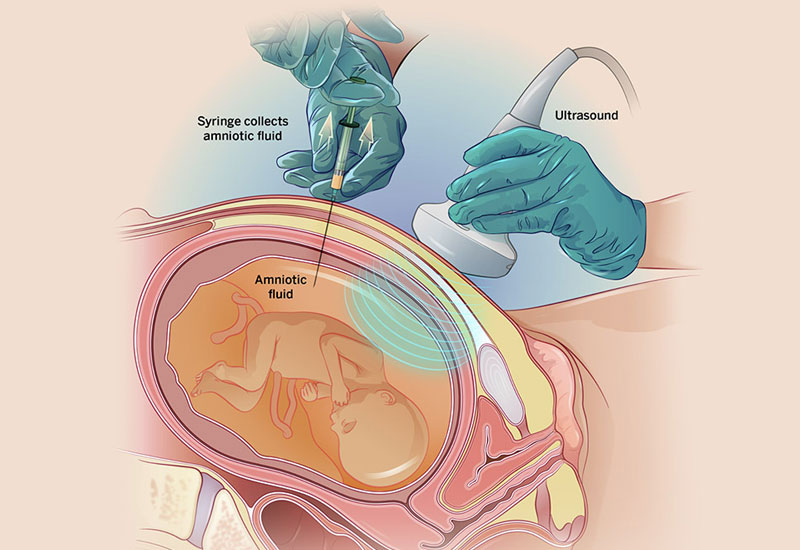
Amniocentesis, for instance, involves collecting amniotic fluid with a thin needle, typically between 15 and 20 weeks of pregnancy, and carries a miscarriage risk of approximately one in every 200 pregnancies.
The researchers rigorously tested NIFS on 565 pregnancies, with an average gestation period of 17 weeks. By meticulously sequencing the small DNA fragments and employing sophisticated computing methods, they successfully identified genetic variants across nearly 23,000 genes in each foetus.
When cross-referenced with findings from established invasive methods like amniocentesis or CVS, the NIFS test demonstrated exceptional accuracy, detecting 95-99% of the genetic variants found by invasive procedures and more than 97% of clinically relevant variants.
The scientific community has reacted positively to this advancement. Professor Alexandre Reymond of the University of Lausanne lauded the achievement as a "tour de force," noting that "Sequencing the entire genome of a foetus without even getting a sample from that foetus is a tour de force. It immediately opens up treatment and prevention opportunities and means that reproductive medicine will be changed for ever."
Professor Angus Clarke, a clinical geneticist at Cardiff University, described the work as a "very impressive technical feat," particularly beneficial in scenarios where a genetic condition is suspected and prenatal treatment of the foetus could be initiated. However, Clarke also sounded a note of caution, warning that using the test for broad exploratory screening might uncover genes of unknown significance.
This could lead to significant anxiety for expectant parents and potentially steer babies down an unnecessary path of surveillance and medicalisation, remarking, "When you don’t have a problem that you’re looking for an answer to, just coming out with potential answers can cause more problems."