Lord Lugard: Architect of Modern Nigeria or Colonial Contriver?
Remembering Lord Lugard: A look at how his indirect rule and the 1914 amalgamation shaped Nigeria’s governance, regional divides, and enduring social and political legacy over a century later
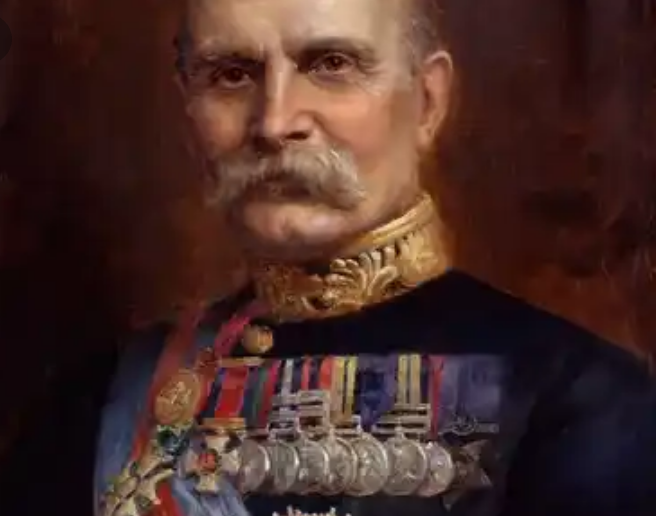
Looking back over a century later, Lord Frederick Lugard remains one of the most consequential figures in Nigeria’s history. Born in 1858 in Madras, India, he rose through the British Army and colonial service to become the Governor of Northern and Southern Nigeria, and eventually the first Governor-General of the amalgamated colony in 1914. His policies, particularly the introduction of indirect rule, reshaped the country’s political, social, and administrative structures, a legacy that still resonates today. But history asks: was he the architect of a unified nation, or a colonial contriver whose policies left enduring challenges?
Lugard was born during a period of rapid British expansion across Africa and Asia. Educated in England, he joined the British Army and was posted to West Africa, where he first confronted the complexities of local governance. Northern Nigeria, dominated by emirates and Islamic traditions, offered him lessons in how power and authority functioned beyond the colonial lens.
By the 1890s, Lugard had formulated the principle that local rulers and institutions could be used to administer territories, a philosophy later known as indirect rule. He believed that co-opting local authorities would enable the British to govern vast territories efficiently, minimize resistance, and maintain relative stability.
Indirect Rule
Indirect rulewas both innovative and controversial. By governing through emirs and chiefs, Lugard strengthened traditional authority while ensuring ultimate colonial oversight. In Northern Nigeria, this worked seamlessly, reinforcing emirate hierarchies. In Southern Nigeria, however, societies with decentralized systems were reorganized to fit this model, often disrupting traditional governance.
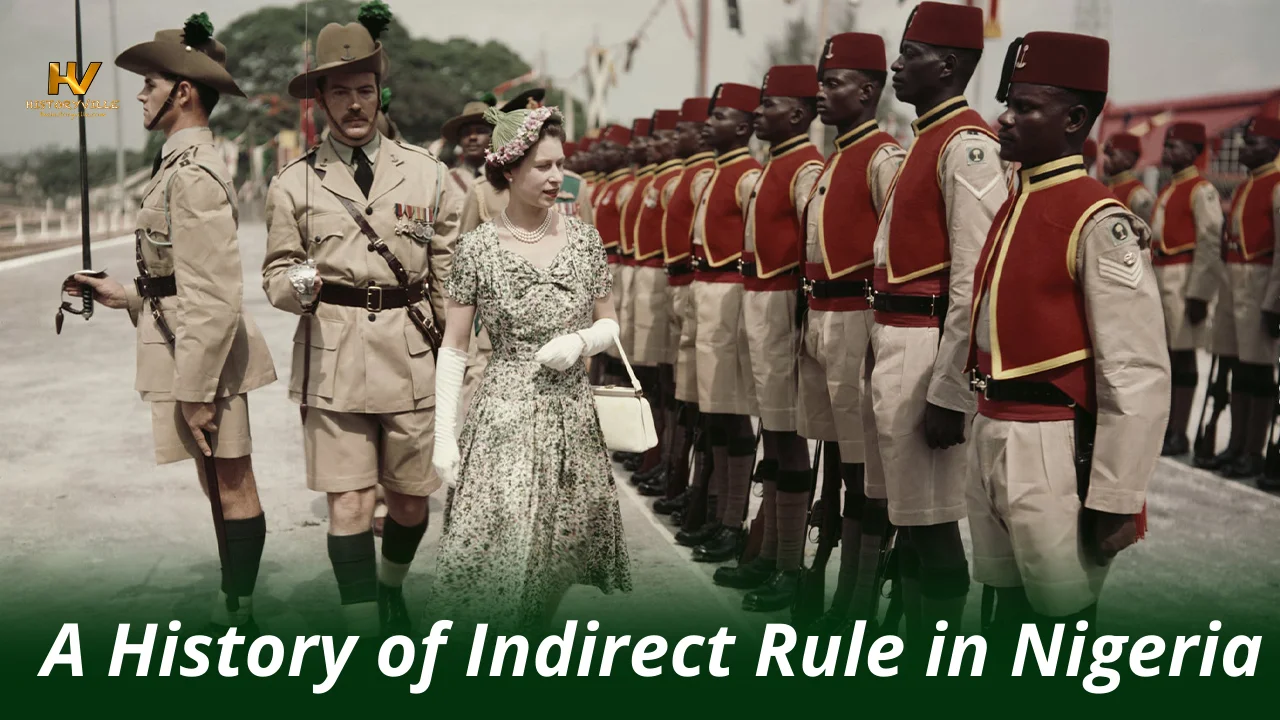
While the system allowed Britain to administer large regions cheaply, it also entrenched regional hierarchies and inequalities, leaving one part of the country more empowered than the other. Northern Nigeria preserved much of its historical authority, while southern communities faced structural adjustments imposed from afar.
The 1914 Amalgamation: A Nation on Paper
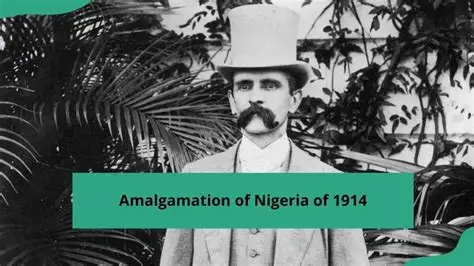
Lugard’s most famous act was theamalgamation of Northern and Southern Nigeria in 1914. While presented as a unifying measure, it was largely a financial and administrative convenience: the revenue-rich south would support the economically weaker north.
History remembers this moment as pivotal - the birth of Nigeria as a single political entity. Yet it also reminds us that unity was imposed, not organically achieved. The north and south had different religions, languages, and administrative systems, making the “united” Nigeria more a colonial construction than a social reality. The consequences of this decision are still visible in Nigeria’s regional tensions, political debates, and quest for federal balance.
Even today, Nigeria bears the marks of Lugard’s policies. The centralized structures, reliance on traditional authorities, and civil service hierarchies he introduced became the foundation for post-independence governance. His model also influenced British colonies across Africa, from Ghana to Uganda, embedding indirect rule as a common administrative strategy.
Yet efficiency came at a cost. Regional disparities, entrenched social hierarchies, and uneven development resulted from his system. Northern Nigeria, with its emir-led governance, developed differently than the south, where indirect rule had to reshape existing communal structures. Contemporary discussions on federalism, decentralization, and regional autonomy in Nigeria are, in many ways, dialogues with Lugard’s legacy, evidence that history continues to shape the present.

While Lugard is often discussed in administrative or political terms, the ordinary Nigerians of his era experienced his policies in very tangible ways. Communities in the south had to adapt to imposed leadership structures; taxes and labor obligations increased under the colonial framework; and decisions about land, resources, and governance were often made far from the people themselves.
History remembers not just the policies, but the lives affected by them: farmers, traders, village leaders, and families who navigated the shift from traditional autonomy to a colonial bureaucracy. Understanding this human dimension makes it clear that colonial efficiency often came at a profound social cost, one that continues to echo through Nigeria’s post-colonial development.
Controversy and Criticism
History
Rewind the Stories that Made Africa, Africa
A Journey Through Time, Narrated with Insight.
Historians remain divided. Some see Lugard as a pragmatic architect, capable of unifying a diverse colony under challenging conditions. Others call him a colonial contriver, whose policies entrenched inequalities and favored British interests over Nigerian unity.
The amalgamation of 1914, while creating a political entity, left behind structural imbalances that later complicated governance. The north-south divide in politics, education, and religion can trace part of its origin to Lugard’s era. Yet, reflecting on history, one can see that his vision, though imperfect, set the stage for the modern Nigerian state, leaving lessons about both ambition and unintended consequence.
Remembering History
A century later, history remembers Lord Lugard as both a builder and a manipulator of Nigeria’s structures. He was a skilled administrator whose indirect rule and amalgamation created a political framework, but one that also entrenched regional disparities and hierarchical power structures.
Looking back, remembering Lugard is more than recalling dates or policies; it is about reflecting on how history shapes modern life. His legacy reminds Nigerians and historians alike that the past is never truly past; it echoes in governance, federalism, regional relations, and the continuing effort to balance unity with diversity. In remembering history, we honor the lessons it offers, both inspiring and cautionary.