LinkedIn Fights Back: New Button Targets AI-Generated 'Slop'
LinkedIn is taking proactive steps to combat “AI slop” by introducing a new user-flagging feature, alongside automation defenses and advanced classifiers. These efforts reflect a broader industry push to ensure authenticity and quality content amidst a surge in AI-generated posts across online platforms.
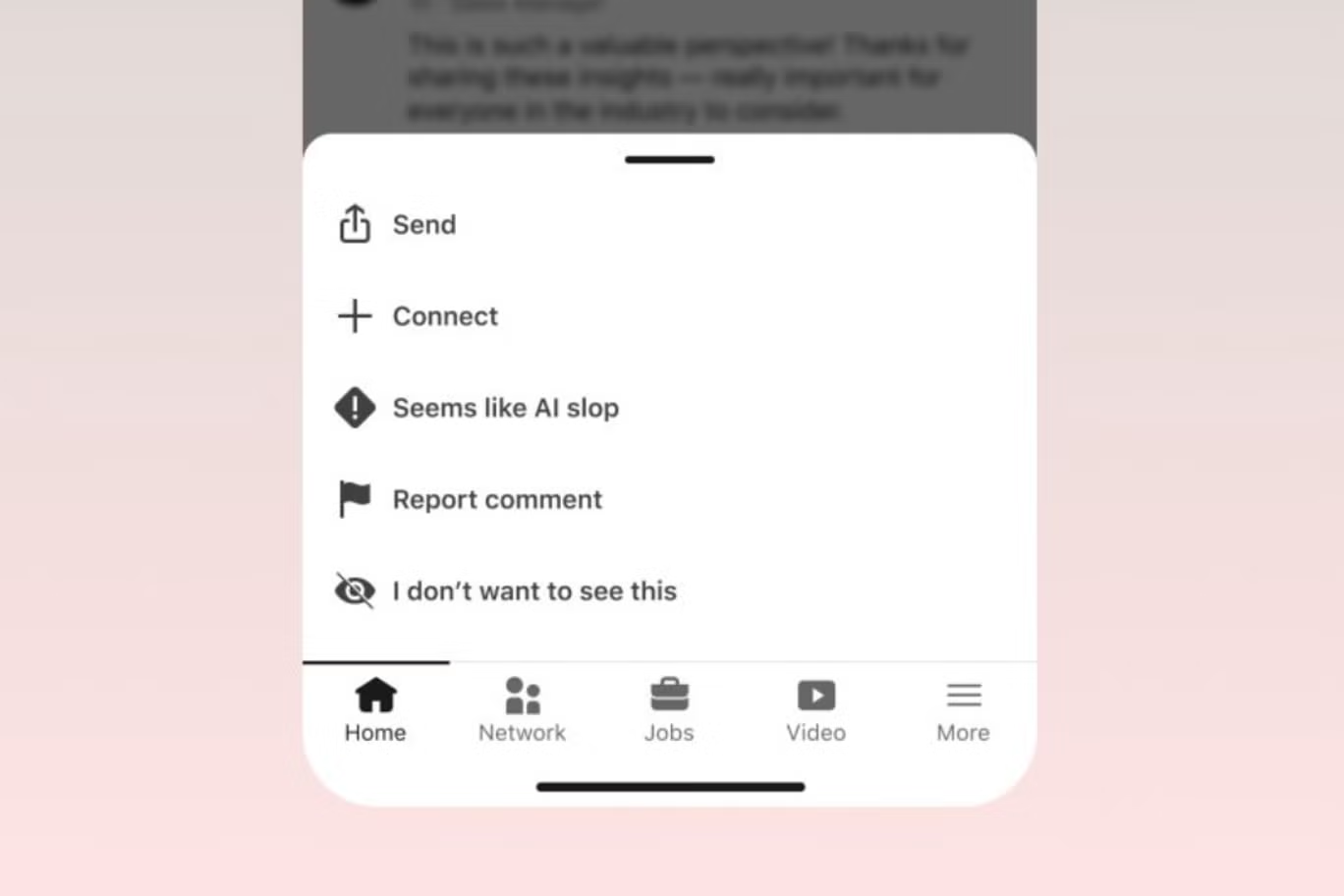
LinkedIn is actively addressing the proliferation of “AI slop”—low-quality, artificially generated content—on its platform by introducing a new feature allowing users to flag posts that appear to be AI-written.
This initiative is part of a broader industry trend among online publishing platforms to mitigate the frustration caused by inauthentic, computer-generated content.
In a recent announcement, Chief Product Officer of LinkedIn, Hari Srinivasan, acknowledged the severity of the problem, stating that combating AI slop is a “top priority.”
He emphasized that users rely on LinkedIn for authentic connections and the sharing of genuine perspectives, ideas, and expertise.
The new “Seems like AI slop” button is one of several measures LinkedIn is implementing to reduce low-quality, AI-generated content.

The feedback from this button will be crucial for tuning LinkedIn's AI models to better identify such content.
Beyond user-flagging, LinkedIn is significantly investing in automation defenses, and the company currently blocks hundreds of thousands of automated comment attempts daily and millions of other automation attempts over the past few months.
Furthermore, LinkedIn is deploying new classifiers designed to identify AI slop and other low-quality content, which will help reduce the visibility of such posts in suggested content recommendations from outside a user's network.
To assist content creators, LinkedIn will also begin privately flagging in users’ dashboards when their content is perceived as inauthentic due to heavy AI usage.
This measure aims to help users refine their writing when they are utilizing AI for enhancement rather than generating full-on “slop.”
In a significant policy change, LinkedIn is discontinuing its own “enhance your post” AI feature, replacing it with a proofreading tool that refines text without altering the user's unique voice.
The issue of AI-generated content extends beyond LinkedIn, and Newsletter platform Substack recently partnered with Pangram to introduce a tool for identifying AI-written content on its site.
Pangram itself secured $9 million in new funding to tackle the challenges posed by the influx of AI content. The problem has even impacted new startups, with Digg shutting down its Reddit competitor in March due to an inability to manage the overwhelming number of bots.
Internet infrastructure firm Cloudflare reports that bot traffic now surpasses human-generated requests on the web, a milestone reached faster than anticipated, underscoring the growing scale of the problem.
Additional improvements on LinkedIn include expanding access to profile and page verification tools, and introducing an option for users to block comments from company pages they no longer wish to see.