Solana Leader Alleges Elon Musk, Altman's AI Slowdown is a Trillion-Dollar Profit Play!
Solana co-founder Anatoly Yakovenko offered a sarcastic take on AI leaders' call for a development halt, linking it to a desire for profitability and infrastructure issues. A former White House advisor further criticized the move as hypocritical, suggesting it aims to eliminate startups and establish a duopoly in the AI sector. Markets, however, remained calm, viewing a potential slowdown as a shift in procurement cycles rather than a decrease in overall AI investment.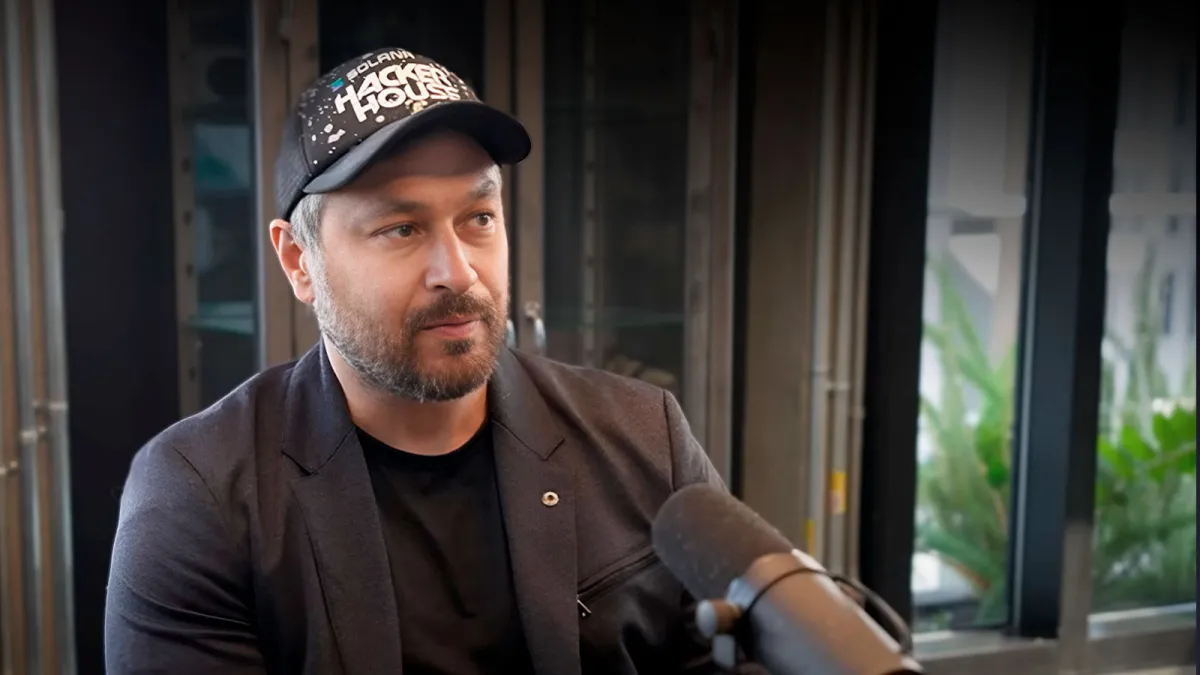
Solana blockchain co-founder Anatoly Yakovenko sarcastically responded to a sudden agreement among prominent AI industry leaders to enforce a halt on the development of advanced neural networks. The call for a slowdown, citing safety risks, came simultaneously from the heads of Anthropic (Dario Amodei), OpenAI (Sam Altman), and xAI (Elon Musk). However, Yakovenko, through remarks on X, linked this newfound concern for humanity to the major AI companies' desire to secure their existing trillion-dollar valuations, concisely stating, "Profitability at $1 trillion mcap." He further mocked calls for artificial pauses by tweeting about instructing his Codex to use tokens more sparingly.
Yakovenko's perspective suggests that OpenAI and Anthropic have reached an infrastructure bottleneck. He posits that the exponential rise in costs for computing chips and electricity, coupled with the immense market status these companies have achieved, compels them to demonstrate tangible profits to investors rather than continually consuming their substantial budgets. This implies that the proposed halt is more a pragmatic response to internal operational challenges than a genuine safety concern.
Adding to the critique, David Sacks, former White House special adviser on AI and cryptocurrencies, accused AI labs like OpenAI of blatant hypocrisy. Sacks argued that if OpenAI and Anthropic genuinely perceive a deadly threat from their new developments, they have no need to lobby for industry-wide laws; they could simply halt their own research voluntarily. Instead, Sacks contended that the top-down regulation being pushed serves two primary pragmatic objectives.
Firstly, it aims at eliminating startups by imposing strict restrictions that would impede the development of nascent companies and restrict free open-source projects, such as those from Meta and the Hugging Face platform, which have been rapidly catching up to the commercial leaders. This effectively would create an artificial duopoly between OpenAI and Anthropic. Secondly, Sacks highlighted that a global AI truce is an unrealistic ideal, as countries like China would unlikely comply with such agreements. Under these conditions, imposing restrictions on American labs would amount to a voluntary technological capitulation by the United States.
Despite these critical statements and the ongoing debate, markets did not reflect panic at the subsequent stock market open. The prevailing consensus suggested that a potential slowdown in the development of frontier AI models would not necessarily lead to reduced investment in AI infrastructure but rather would extend equipment procurement cycles over a longer period.