Protests Erupt in Kenya Over Proposed Ebola Isolation Facility
Nanyuki residents and opposition leaders are fiercely protesting a proposed US-supported Ebola quarantine facility at Laikipia Air Base, sparking a national debate on health risks, sovereignty, and leadership. The High Court has temporarily suspended the plan amidst accusations that Kenya is being exploited as a recipient of global risks rejected by powerful nations.
Hundreds of residents took to the streets of Nanyuki in central Kenya amid growing controversy surrounding a proposed Ebola isolation facility reportedly linked to a partnership between Kenyan authorities and the United States.
The demonstrations brought parts of the town to a standstill as protesters blocked roads, lit barricades and clashed with police. Public anxiety intensified after residents reported seeing several large aircraft arriving at the heavily secured Laikipia Air Base, fueling speculation about the planned facility and its intended purpose.
The proposed quarantine center has sparked fierce political debate, with opposition leaders questioning Kenya's preparedness to manage a potential Ebola-related emergency. Critics argue that the country should not assume additional public health risks without transparent consultation and adequate safeguards.
Former Deputy President Rigathi Gachagua and other opposition figures have been among the most vocal critics of the plan, warning that the government must prioritize the safety and confidence of Kenyan citizens before entering into any international health arrangement.
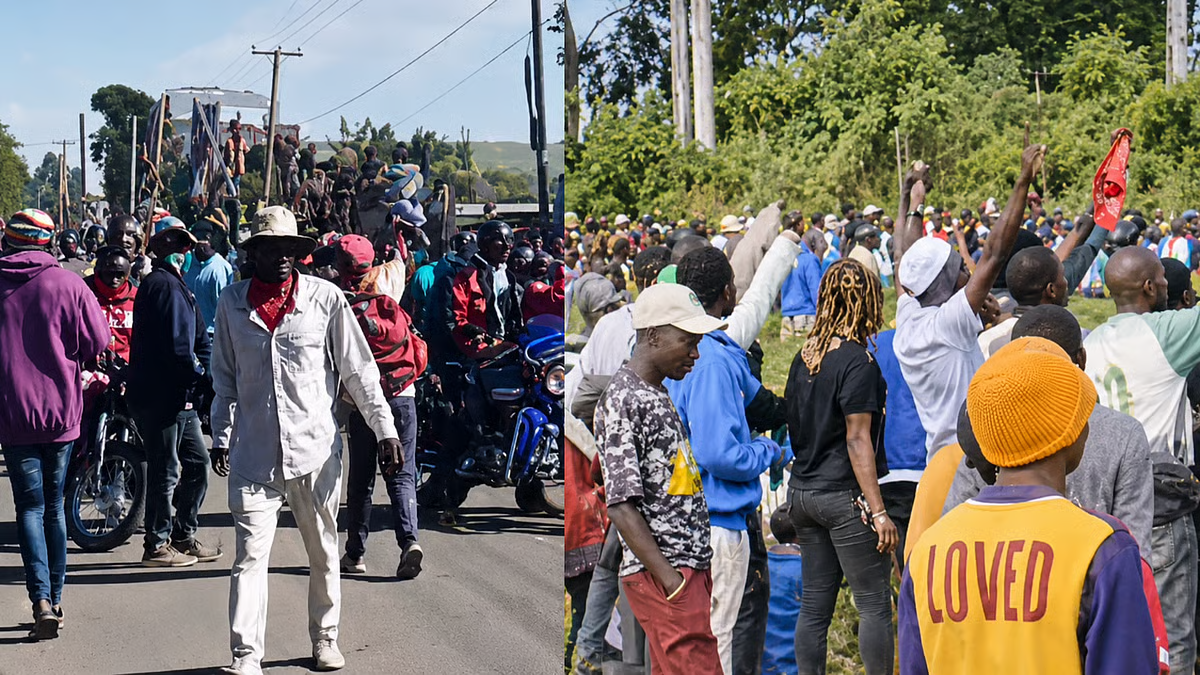
The controversy has also reached the courts, with the High Court reportedly issuing interim orders that temporarily halted aspects of the proposed quarantine arrangement pending further review. The legal challenge reflects broader concerns about public health, transparency and constitutional oversight.
Beyond questions of healthcare capacity, the issue has evolved into a wider national discussion about sovereignty and Kenya's role in global partnerships. Critics argue that decisions involving sensitive health matters should be subject to greater public scrutiny and national consensus.
Supporters of the government's engagement with international partners maintain that global cooperation remains essential in responding to infectious disease threats. However, opponents contend that any agreement involving high-risk diseases must be fully disclosed and subjected to rigorous independent assessment.
The unfolding debate has exposed deep public mistrust and heightened political tensions, with many citizens demanding greater clarity from authorities regarding the purpose, scope and potential implications of the proposed facility.
As demonstrations continue and legal proceedings advance, pressure is mounting on government officials to provide detailed information and reassure the public about the country's health security and decision-making process.