Kenyan Nurses End 43-Day Strike After Reaching Deal With Governors
Kenya’s nurses have ended a 43-day nationwide strike after reaching a return-to-work agreement with the Council of Governors, following 522 reported deaths during the industrial action.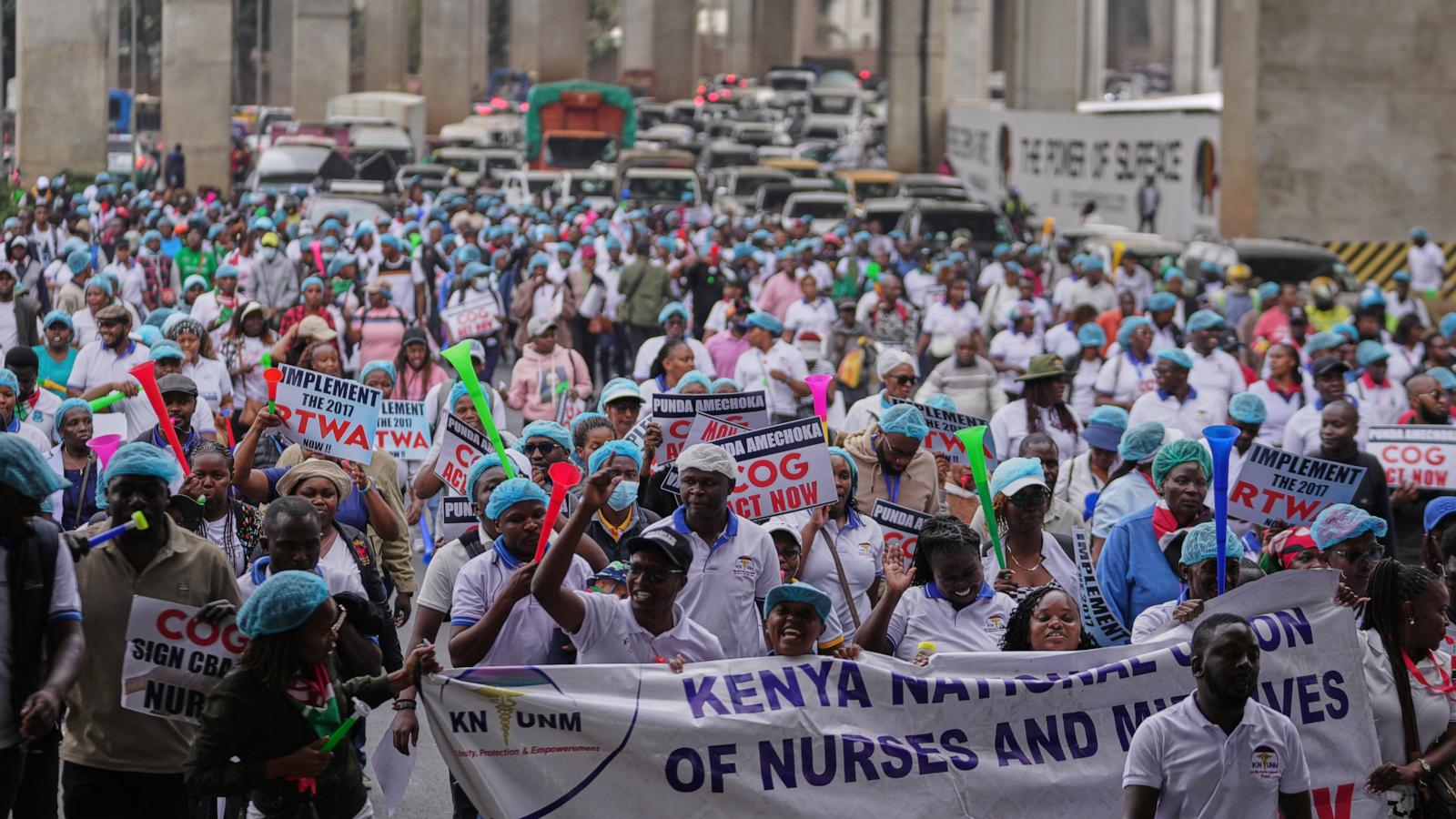
Kenya's nurses have officially called off their 43-day nationwide strike, which had severely disrupted health services across the country. The Kenya National Union of Nurses and Midwives (KNUNM) and the Council of Governors reached a mutually acceptable return-to-work formula, leading KNUNM Secretary General Seth Panyako to direct nurses to resume duty immediately, and at the latest, within 24 hours.
The agreement, signed on Wednesday, outlines several key provisions. Both parties committed to conclude negotiations on the 2017 Collective Bargaining Agreement (CBA) within 45 days.
Additionally, the Council of Governors pledged to coordinate the development of a model career guideline for nursing personnel within the same timeframe.
A significant aspect of the agreement addresses the employment of Universal Health Coverage (UHC) staff. It stipulates that all 47 county governments will transition these workers to permanent and pensionable terms from July 1, 2026, at rates approved by the Salaries and Remuneration Commission.
Furthermore, the National Government will assume responsibility for gratuity obligations accumulated from the two previous UHC contracts.
The return-to-work formula also guarantees that nurses who participated in the strike will not face victimisation. It further provides for the resolution of the specific case involving 46 nurses who were dismissed by the Kisii County Government in 2021.
Council of Governors chairman Ahmed Abdullahi expressed satisfaction with the agreement, stating it was reached after sustained negotiations.
The 43-day industrial action, which commenced on July 29, had a devastating impact on Kenya's public health system, resulting in immense pain, suffering, and a tragic loss of life. By the time the strike ended, a harrowing 522 deaths had been recorded.
Among these were 63 women who died during childbirth and 69 babies who passed away immediately after birth.
Beyond the direct patient casualties, the strike also exacted a heavy psychological toll on medical professionals. Doctors, working tirelessly to manage the crisis, carried the trauma of patients they could not save long after their shifts concluded, highlighting the profound emotional burden of the paralysed health system.
Both KNUNM and the Council of Governors have urged for a commitment to resolving disputes through negotiations before they escalate into industrial action.
Secretary General Seth Panyako emphasized KNUNM's openness to dialogue and called upon employers to engage in discussions to prevent future deadlocks, reinforcing a shared desire for constructive engagement.