Kenya's Fuel Scandal: Govt Betrayal Ignites Fury, Soaring Prices Hit Motorists Hard
Kenyans face mounting economic pressure as the Government-to-Government fuel import deal fails to deliver its promised stability, turning into a scandal amidst soaring fuel prices. EPRA's latest review sees significant hikes in petrol and diesel, triggering widespread fare increases and public outcry over the rising cost of living and alleged corruption.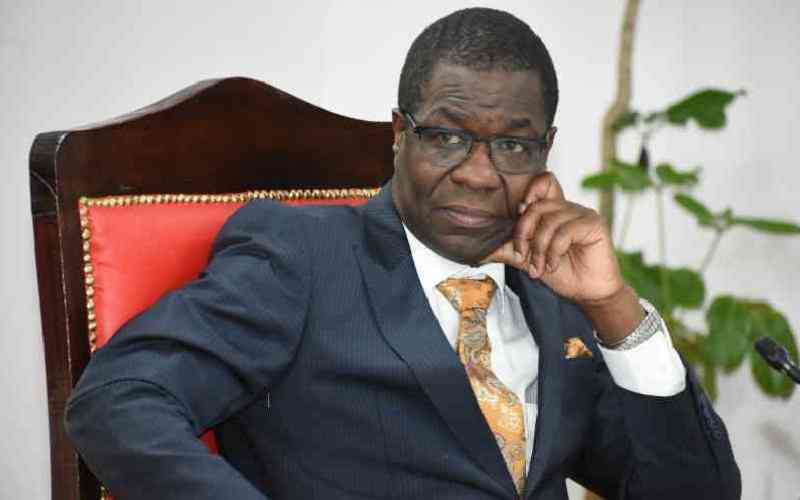
When President William Ruto unveiled the Government-to-Government (G-to-G) fuel import deal in April 2023, with Energy and Petroleum Cabinet Secretary, Opiyo Wandayi, overseeing, he assured Kenyans of a stable supply, tamed prices, and an end to crippling shortages.
However, this initiative has allegedly devolved into a "well scripted web of deceit fuelled with lies and blatant disruption," benefiting a select "cabal of cartel" and threatening to bring the economy "to its knees."
Initially presented as a solution-based intervention, the G-to-G deal is now perceived as a full-blown scandal that has pushed Kenyans to the edge through an escalating cost of living.
This situation has been exacerbated by the latest fuel price reviewby the Energy and Petroleum Regulatory Authority (EPRA), effective from midnight on May 15 to June 14, 2026. EPRA announced a sharp increase, with Super Petrol rising by Sh16.65 per litre and Diesel by a significant Sh46.29 per litre, while Kerosene prices remained unchanged.
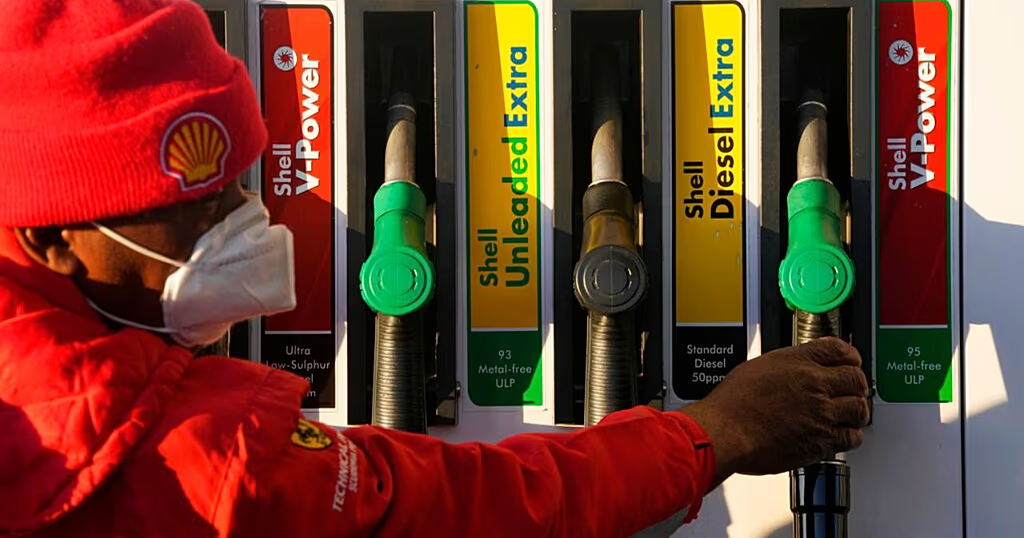
In Nairobi, Super Petrol will now retail at Sh214.25 per litre, Diesel at Sh242.92 and Kerosene at Sh152.78.
EPRA justified these adjustments, calculated according to Section 101(y) of the Petroleum Act 2019 and Legal Notice No. 192 of 2022, by citing a rise in the average landed cost of imported petroleum products in April 2026.
The average landed cost of Super Petrol increased by 10 per cent, from US$823.27 to US$906.23 per cubic metre, while Diesel saw a sharp 20.32 per cent increase, from US$1,073.82 to US$1,291.98 per cubic metre. Kerosene also rose slightly by 1.59 per cent.
These new prices incorporate Value Added Tax (VAT) and other statutory levies as mandated by various acts, including the VAT Act 2013 and the Finance Act 2023.
EPRA noted that the government plans to cushion consumers using approximately Sh5 billion from the Petroleum Development Levy (PDL) Fund to subsidise Diesel and Kerosene during this pricing cycle, based on the recently revised 8 per cent VAT on petroleum products.
The immediate fallout from these price hikes has been severe. The Matatu Owners Association has directed its members to increase fares by up to 50 per cent and has threatened to stage protests and block major roads on Monday, May 18.
Commuters across the country are already experiencing significant fare increases; for instance, a trip from Embu to Nairobi now costs Sh650, up from Sh500, and a Nakuru resident reported their usual Sh50 commute doubling to Sh100.
Matatu and taxi operators are also heavily impacted, with one taxi driver estimating his full tank fuel cost soaring from Sh5,000 to over Sh7,000, leading to a weekly earning reduction of about Sh2,000.
The general public's outcry is palpable, with many expressing concern over rising living costs.
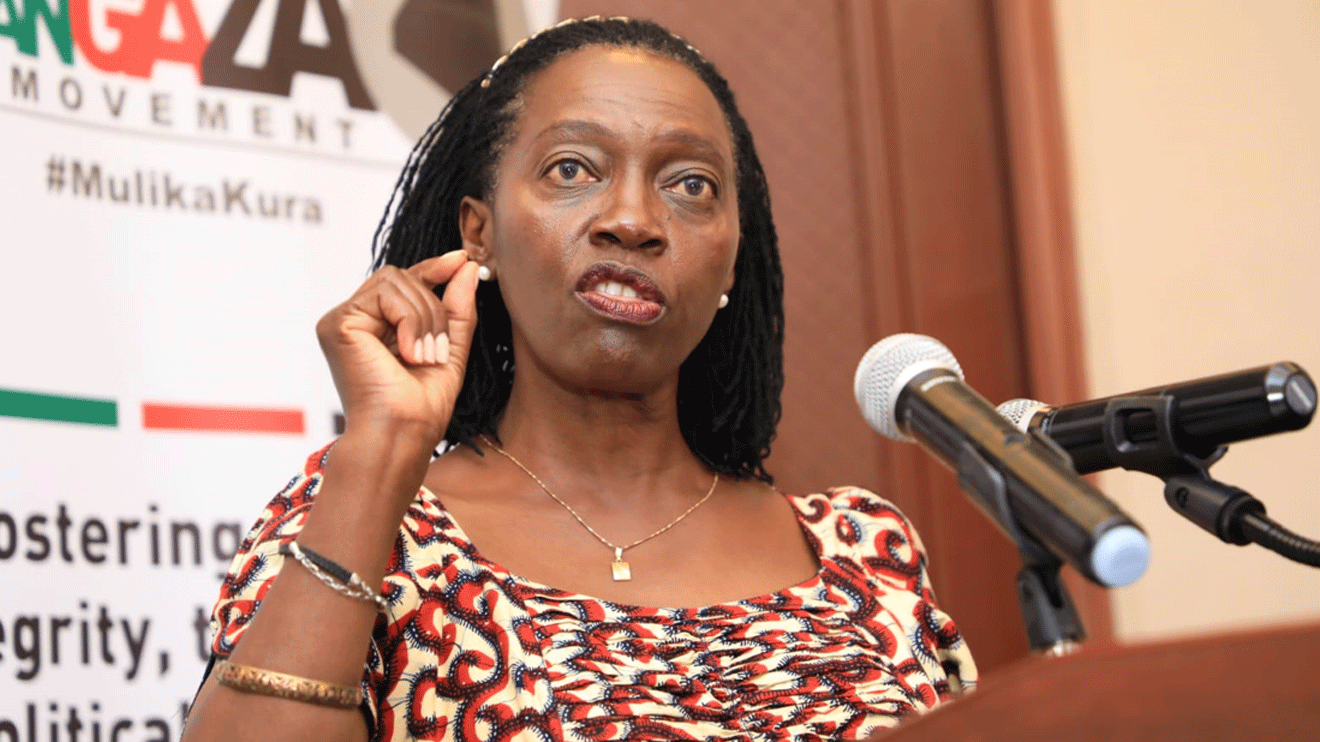
People’s Liberation Party leader, Martha Karua vehemently criticized the increases, linking them to corruption and governmental greed, and warning that they would inflate the costs of transport, food, and electricity.
She questioned the government's claims of economic stabilization and called for collective action to demand better leadership, emphasizing that "Kenya belongs to its people, not a few connected looters."
Law Society of Kenya (LSK), President Charles Kanjama echoed these concerns, stating that the price hike would intensify pressure on households, public transport operators, small businesses, and the broader economy.

He particularly highlighted the sharp rise in diesel prices, given its critical role in transport, food production, and commercial activities, warning of widespread inflationary impact. While acknowledging global instabilities, Kanjama affirmed the government's constitutional obligation to promote an equitable society through its fiscal decisions.
He called for greater intervention and transparency beyond the Sh5 billion PDL subsidy, pointing to fuel taxation as a key driver of the increases and criticizing the government’s reliance on fuel levies without sufficient accountability or public participation.
Kanjama urged the government to urgently consider additional measures to protect vulnerable sectors, strengthen oversight against price exploitation, and anchor public policy in equity, social protection, and economic justice.