June 12 and the Mandate That Never Was: MKO Abiola, IBB's Confession and Nigeria's Dying Democracy
June 12 1993: MKO Abiola won Nigeria's freest election, then the military annulled it. The full history, IBB's 2025 confession and why Nigerian voter turnout has hit historic lows.
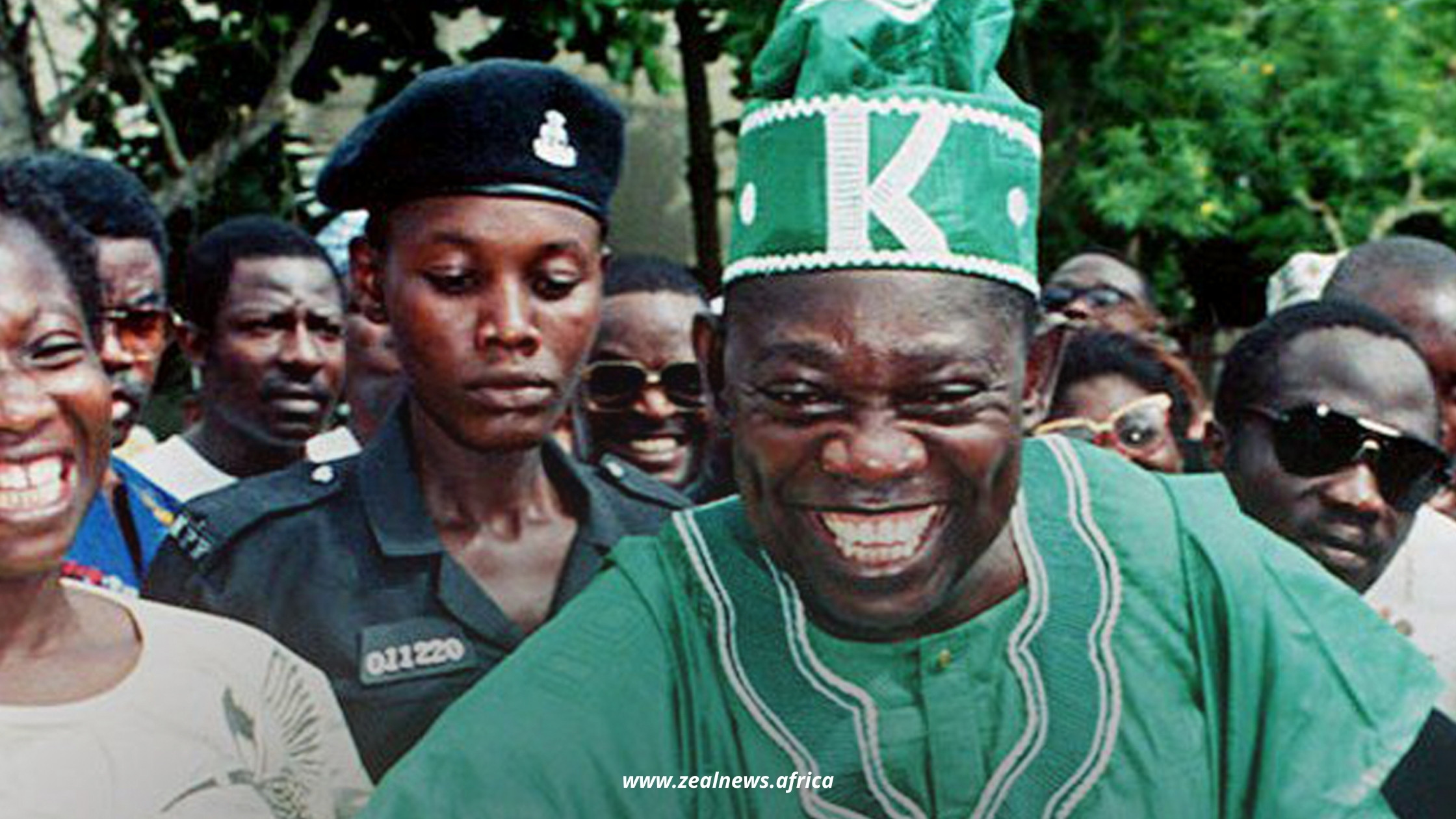
All you have to be is a Nigerian or in Nigeria to know about MKO Abiola and the historic June 12 elections, termed as the freest and fairest election Nigeria has ever and will ever have. But knowing the story and understanding what the annulment truly cost are two entirely different things.
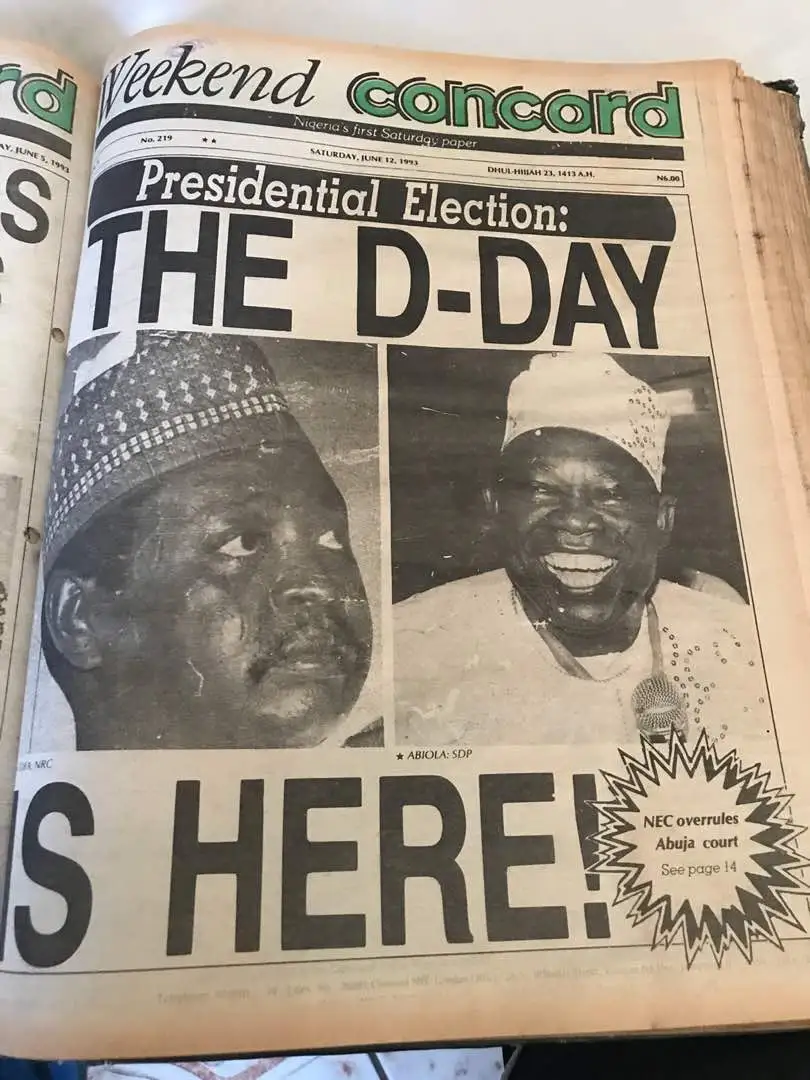
The 1993 Nigerian Presidential Election: A Nation That Dared to Believe
After years of military rule, General Ibrahim Babangida promised a transition to civilian governance through a heavily managed programme. Two parties were created, structured and funded by the military itself. These parties were the Social Democratic Party (SDP) and the National Republican Convention (NRC).
When election day arrived, something the military didn’t really anticipate happened: Nigerians voted. For once, Nigerians didn’t see tribe, culture, religion which are the natural dividers in such a diverse nation, and voted, decisively.
Chief Moshood Kashimawo Olawale Abiola of the SDP was up against Bashir Tofa of the NRC and the results, though never officially announced, showed Abiola winning 8,128,720 votes to Tofa's 5,848,247, securing the constitutionally required one-third of votes in 28 of Nigeria's 30 states.
Why the June 12 Election Was Annulled and Who Really Ordered It
Eleven days later, on June 23, 1993, the military annulled the results. The stated justification was vague. Court injunctions were obtained by pro-military groups and the legal grounds on which the annulment stood were widely considered manufactured.
The real architecture of the annulment was continually debated for over three decades until 2025.

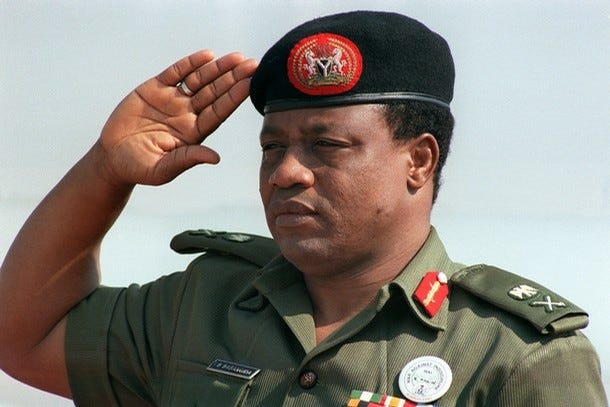
In February 2025, IBB's autobiography, A Journey in Service, provided a partial answer. Babangida revealed the annulment was orchestrated by forces within his administration, led by General Sani Abacha, then Chief of Army Staff.
He claimed he was in Katsina when the announcement was made by his deputy's press secretary, without his prior knowledge. While accepting full responsibility as Commander-in-Chief, his account placed the operational blame on Abacha's faction.
Human rights lawyer, Prof. Chidi Odinkalu, publicly questioned why Babangida waited until every member of the 1993 Armed Forces Ruling Council had died before portraying himself as a passenger.
What is clear is that a coalition of military interests — fearful of losing power and structural privilege — could not accept a freely elected civilian, regardless of how cleanly the mandate was won.
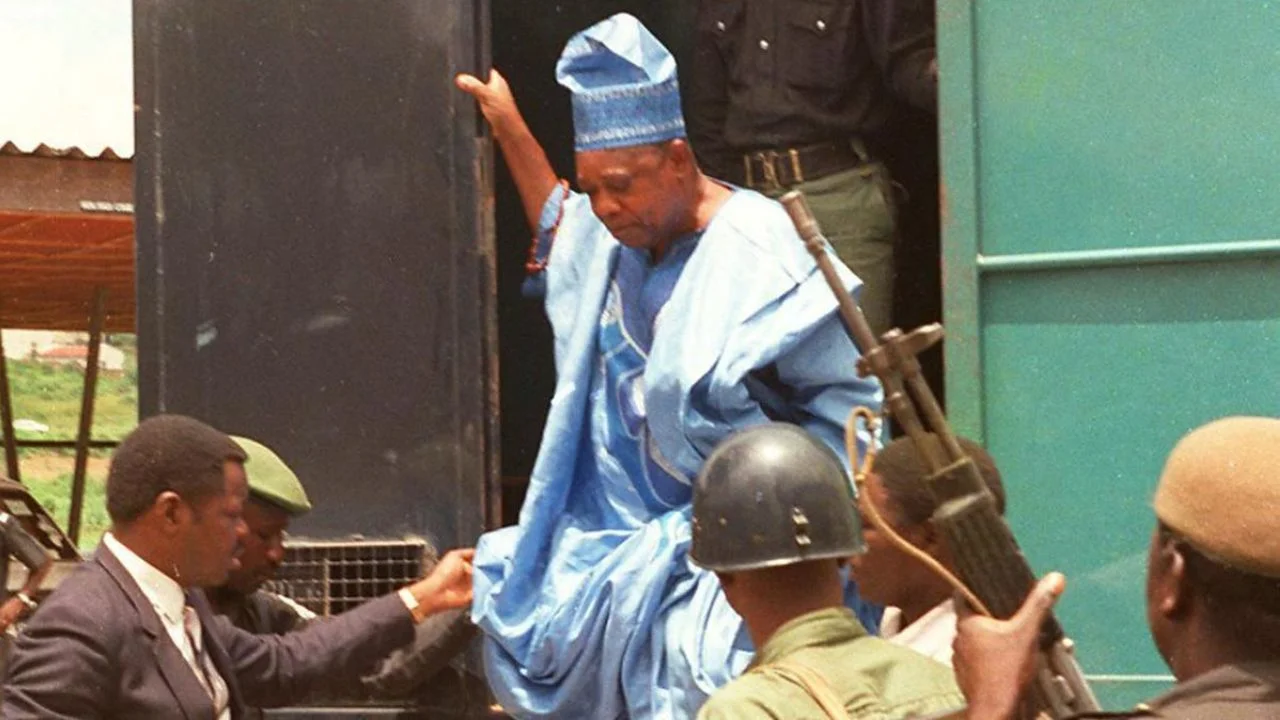
MKO Abiola: Arrested for Claiming His Mandate, Dead in Detention
After months of protests, crackdowns and general strikes, Abiola refused defeat. On June 11, 1994, a year after the election, he declared himself the rightful President at a rally in Epetedo, Lagos.
Arrested within days by Abacha, who had since seized power, he was charged with treason. His wife, Kudirat Abiola, was assassinated in June 1996, a killing widely attributed to Abacha's security apparatus. Abiola remained in detention for four years as his health deteriorated.
On July 7, 1998, the day he was scheduled to meet a U.S. delegation expected to facilitate his release, Abiola collapsed and died in custody. The official cause was cardiac arrest. The timing still raises questions.
IBB's 2025 Memoir: The Admission That Arrived Too Late
In A Journey in Service, Babangida stated: "There was no doubt that MKO Abiola won the June 12 election. He satisfied all the requirements."
Reviewed at its Abuja launch by former Vice President, Yemi Osinbajo, the autobiography published the full state-by-state results as an appendix. These were figures suppressed for thirty-two years.
Stanbic IBTC founder, Atedo Peterside, captured what most Nigerians were feeling on X when he said: "Are we supposed to clap because he told the truth after three decades?"
The admission arrived after every activist who bled for it was either dead or aged beyond public life. From Gani Fawehinmi to Beko Ransome-Kuti to Chima Ubani — all the people who paid for this truth in prison cells did not live to hear it confirmed by the man who suppressed it.
How June 12 Became Nigeria's Democracy Day and What the South-West Already Knew
Long before the federal government acknowledged the date, south-western states had been marking it. Lagos, Ogun, Ondo, Osun and Oyo declared June 12 a public holiday, informally called MKO Abiola Day, recognising a man who was theirs by geography and Nigeria's by democratic right.
It took until June 6, 2018, for President Muhammadu Buhari to officially replace May 29 with June 12 as national Democracy Day, posthumously awarding Abiola the GCFR, the honour reserved for sitting presidents. It was symbolic but not quite sufficient.

Nigeria's Voter Turnout Since 1999: Democracy Without Believers

Democracy is said to be the government of the people, but every election year is proof that the people no longer have faith in the process.
According to INEC data, voter turnout has collapsed nearly every cycle: 52.2% in 1999, a brief 69.08% in 2003, then a steady descent — 57.49% in 2007, 53.68% in 2011, 43.65% in 2015, 34.75% in 2019, and a historic low of 26.72% in 2023.
In a country of over 220 million, fewer than 9 million votes elected a sitting president in 2023.
Nigeria's political apathy is institutional memory and largely the inherited, generational understanding that your vote can be annulled, your candidate imprisoned, your elected president killed in detention, and thirty years later, the man responsible writes a book about it at a gala the current head of state attends.
June 12 is a public holiday now. What it memorialises goes beyond triumph. It is the moment Nigeria's democratic promise was deliberately broken and quiet proof that Nigerians have not forgotten.