Is Narcissism a Personality Problem or a Wound From Childhood?
Could childhood neglect help explain narcissistic behaviour? Discover how early attachment may shape adult relationships—and why understanding someone's past doesn't mean accepting emotional mistreatment.
What if the person who keeps hurting you once learned, as a child, that nobody would come when they cried for help? It may sound surprising, but some patterns of emotional mistreatment in adulthood can be linked to early childhood experiences.
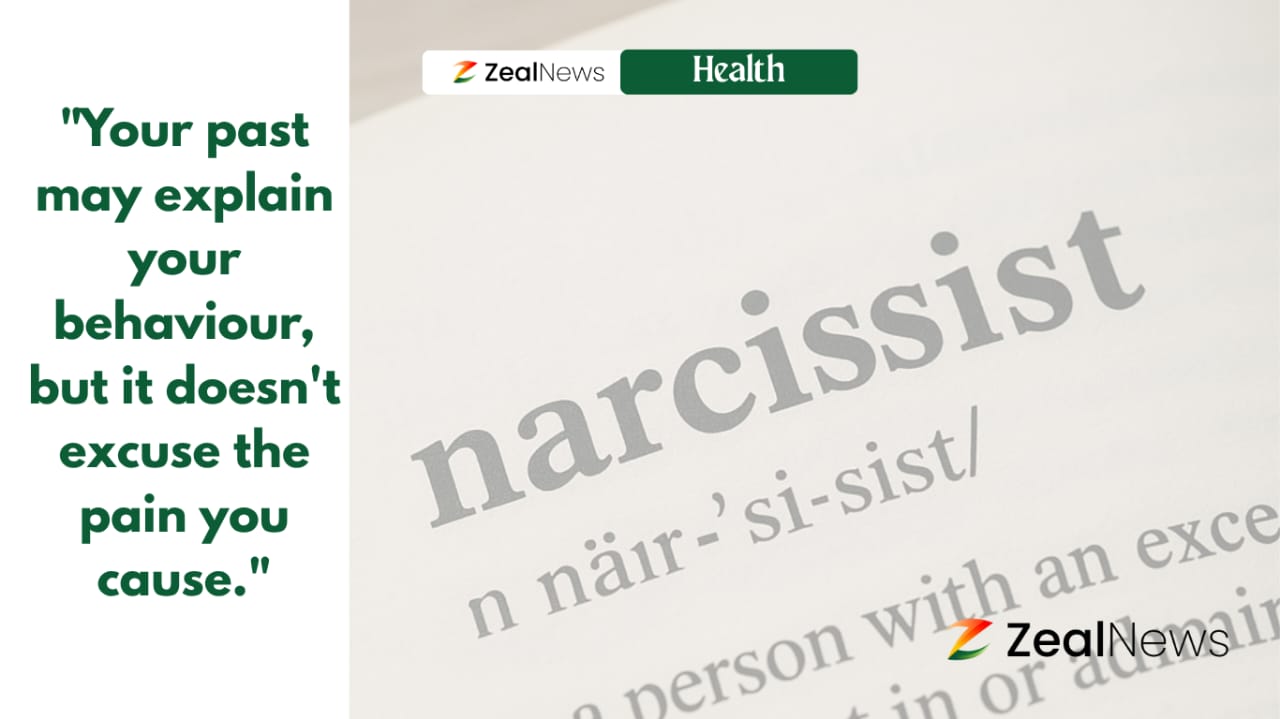
However, understanding where harmful behaviour begins does not mean excusing the damage it causes.
Anyone can display narcissistic tendencies from time to time. But when these traits become extreme, relationships can turn into exhausting battles over blame, control, and who gets to be right.
Imagine confronting your partner about something hurtful they said, but instead of acknowledging your feelings, they accuse you of being too sensitive, twist the conversation until you are defending yourself, and present themselves as the person who has been wronged.
By the end, you are apologizing, even though you were the one who raised the original concern.
Then, as though nothing happened, they carry on with their day while you are left replaying the argument in your mind.
This pattern can leave someone questioning their own judgment. And when the other person refuses to acknowledge the harm they cause, the relationship can become emotionally draining.
But how do these patterns develop, and what role does childhood play?

Does the Way We Are Loved as Babies Shape Us as Adults?
From birth, infants are wired to seek connection with their caregivers. They cry when distressed, reach for comfort, respond to familiar faces, and gradually learn whether the people around them can be trusted.

When a caregiver responds consistently to a child's needs, offers comfort, recognizes their emotions, and celebrates their achievements, the child can develop a secure attachment.
They begin to understand that they are worthy of love and that other people can be trusted.
These early experiences may help lay the foundation for healthier adult relationships. Such adults are generally better equipped to recognize their mistakes, consider another person's perspective, express their feelings, and take responsibility when they hurt someone.
This does not mean that every child who receives consistent care will become emotionally mature, because personality, later experiences, environment, and other factors also matter.
However, early emotional connection can make a difference.
The controversial question is this: Could some adults who demand constant validation have grown up without receiving the emotional reassurance they needed?
In some cases, early experiences may contribute to an overwhelming need for approval, difficulty handling criticism, or a tendency to protect one's self-image at the expense of others.

When a Child Learns That Nobody Is Coming
Consider a baby who repeatedly cries for comfort but is consistently ignored. Over time, the child may learn that expressing distress does not bring relief.
If emotional unavailability and neglect continue, the child may become less willing to seek comfort or depend on others. Instead, they may learn to suppress their needs and rely heavily on themselves.
In adulthood, some people with avoidant attachment patterns struggle with emotional vulnerability. They may distance themselves when relationships become intimate, dismiss their partners' feelings, or view emotional needs as a threat to their independence.
For example, a partner might say, "I felt hurt when you ignored me all evening."
Rather than discussing the issue, the other person may withdraw, become defensive, or insist that the partner is demanding too much.
This does not automatically make someone a narcissist. Avoidant attachment and narcissism are different concepts, although they can sometimes overlap.
The important point is that a person who learned to survive by shutting down their emotions may struggle to make room for someone else's emotions.
Understanding this possibility can help explain certain behaviours, but it does not make repeated emotional neglect acceptable. A partner should not have to suffer simply because someone else finds vulnerability uncomfortable.

Can Inconsistent Love Create a Need for Control?
Now let's think about a different childhood.
Sometimes, the caregiver offers warmth and reassurance, but at other times, they are distant, dismissive, or unpredictable. The child never knows whether reaching out will bring comfort or rejection.
This uncertainty can make relationships feel unstable. Some children respond by becoming anxious about separation and seeking constant reassurance.
While others may develop mixed or disorganized patterns of attachment, struggling between wanting closeness and fearing it.
These responses vary from person to person, because they do not guarantee that a child will become controlling or narcissistic as an adult.
Nevertheless, some people who grow up experiencing unpredictable relationships may struggle to feel secure in close relationships later in life.
For example, an adult might repeatedly demand reassurance from a partner, become intensely upset when the partner sets boundaries, or use guilt to prevent them from leaving an argument.
In more harmful situations, control can replace genuine closeness. Instead of resolving disagreements through honest communication, the person may resort to blame, intimidation, or emotional manipulation to maintain power.
This creates a painful contradiction: they may desperately want connection but behave in ways that push away the people they want to keep.
Yet childhood experiences alone cannot explain every controlling behaviour, and they should never be used to excuse abuse.

Does an Insecure Attachment Mean Someone Will Become a Narcissist?
Research has linked insecure attachment patterns with narcissistic traits in adulthood. However, an association is not proof that one directly causes the other.
Narcissism exists on a spectrum, but having some narcissistic traits does not automatically mean someone has narcissistic personality disorder, which requires professional assessment.
It is also important to distinguish between struggling with insecurity and refusing to take responsibility for one's actions.
A person can feel jealous, fear rejection, or struggle with self-esteem while still acknowledging their mistakes and working to change their behaviour.
The problem arises when someone repeatedly uses their insecurities to justify hurting others, refuses accountability, or turns every disagreement into a contest they must win.
You can understand someone's wounds without volunteering to become the next person they wound.
If a relationship repeatedly leaves you feeling confused, belittled, frightened, or responsible for another person's behaviour, pay attention to the pattern. Set boundaries, seek support from trusted people, and consider professional help when needed.
You cannot force someone to develop self-awareness. They must be willing to recognize their behaviour and take steps to change it.
Conclusion: Understanding the Past Without Excusing the Present
Childhood experiences can shape how people handle trust, emotions, and relationships, but they do not define who someone becomes. With self-awareness and support, harmful patterns can change.
A painful past may explain someone's behaviour, but it never excuses hurting others. Understanding their struggles should not come at the expense of your emotional well-being.
Someone's past may explain their actions, but it doesn't mean you must keep suffering because of them.