INEC Shakes Up 2027 Elections: Downloadable PVCs and Full Online Registration Unveiled!
The Independent National Electoral Commission (INEC) is set to roll out downloadable Permanent Voter Cards and a fully online voter registration system for the 2027 general elections. These innovations, alongside a strengthened collaboration with the National Orientation Agency, aim to enhance accessibility, combat voter apathy, and modernize Nigeria's democratic process.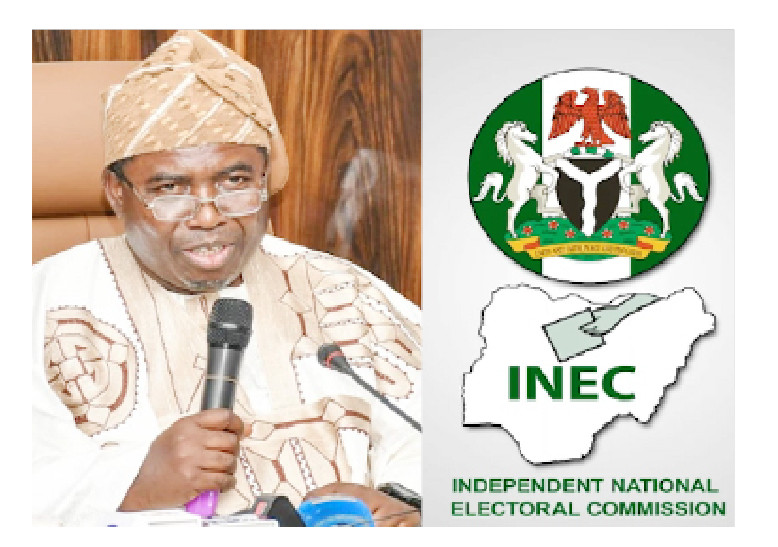
The Independent National Electoral Commission (INEC) is poised to revolutionize Nigeria's electoral landscape ahead of the 2027 general elections by introducing significant technological advancements: downloadable Permanent Voter Cards (PVCs) and a fully online voter registration system. These initiatives, announced by INEC Chairman, Prof. Joash Amupitan, SAN, during a courtesy visit from the National Orientation Agency (NOA) Director-General, Mallam Lanre Issa-Onilu, are designed to deepen electoral participation, enhance efficiency, and leverage technology for a more robust democratic process.
A key innovation is the downloadable PVC. Prof. Amupitan clarified that this option is specifically for voters who have previously obtained a physical PVC but have since lost or defaced it, or whose card numbers are no longer legible. It is not intended for first-time registrants who have never collected a physical card. To utilize this feature, affected voters must formally lodge a complaint at least 90 days before an election. The commission plans to pilot this downloadable PVC technology during the upcoming off-cycle Osun State governorship election in August, streamlining the replacement process for eligible citizens.
Complementing this, INEC is finalizing work on a technology that will enable eligible Nigerians to complete their voter registration entirely online, eliminating the need for physical visits to INEC offices for biometric capture. This significant shift from the current system, which requires physical validation after online pre-registration, aims to make voter registration more accessible, efficient, and inclusive. It particularly targets young people, persons with disabilities, students, and citizens who frequently relocate, addressing a major barrier to participation.
The proposed digital system is expected to tackle many of the long-standing challenges associated with the production, distribution, and collection of physical PVCs, which have historically resulted in a huge number of unclaimed cards after previous elections. By allowing voters to access secure digital copies, INEC aims to reduce administrative burdens and ensure that citizens can readily exercise their franchise. However, to safeguard electoral integrity, voter accreditation on election day will continue to strictly rely on biometric verification through the Bimodal Voter Accreditation System (BVAS).
Political analysts and civil society organizations have largely welcomed these reforms as crucial steps towards modernizing Nigeria's electoral system and curbing voter apathy, especially among first-time voters. Nevertheless, they have urged INEC to implement robust cybersecurity measures, adequate data protection mechanisms, and extensive public awareness campaigns to prevent abuse and maintain public confidence in the digital process.
Beyond technological upgrades, INEC and NOA are strengthening their collaboration to combat voter apathy, disinformation, and vote-buying ahead of the 2027 general elections. Prof. Amupitan emphasized that advanced equipment alone cannot ensure credible elections if citizens remain detached or uneducated about the power of their votes. He described NOA as "Nigeria’s premier organisation for civic orientation" and "the custodian of the values that make players and spectators respect the rules," making the partnership an "absolute necessity."
Amupitan identified voter apathy and cynicism as a "silent and dangerous enemy," noting low turnout in off-cycle polls despite national debate, and the pervasive impact of fake news convincing citizens their votes don't count. To counteract this, he called for a "decentralised and grassroots voter education campaign." This campaign will explain not just when to vote, but *why* votes matter, and how technologies like BVAS and IReV have effectively eliminated ballot box snatching and manual result manipulation, fostering credibility.
Referencing recent elections, such as the February 21 FCT Area Council elections and the June 20 Ekiti governorship poll, Amupitan acknowledged strong BVAS authentication and swift uploads to IReV, but also highlighted persistent voter apathy and confusion, particularly among urban newcomers regarding polling unit splits and transfers. This underscores the urgent need for intensive, deep-rooted voter education that cannot wait until the eve of 2027, with the presidential election fixed for January 16 and governorship polls for February 6, 2027.
The INEC Chairman stressed that civic orientation in 2026 "must be digital, relational, and must resonate with our massive youth population." Both institutions agreed to institutionalize their collaboration immediately, proposing joint campaigns against vote-buying and misinformation, and training NOA field officers as "trusted ambassadors of truth" on INEC’s processes. The NOA Director-General reaffirmed his commitment, noting the knowledge gap among citizens and the need for stronger institutional cooperation to increase voter participation and promote confidence in Nigeria’s democracy.
Successful implementation of these reforms could position Nigeria among leading African democracies leveraging technology to expand participation and bolster electoral credibility. INEC is expected to release comprehensive guidelines, operational procedures, and security protocols for these initiatives before the commencement of nationwide voter registration activities for the 2027 elections.