Google’s Firing Revolution: Rethinking Goodbyes with Alternative Roles
How Google is rethinking firing and team management in 2025.
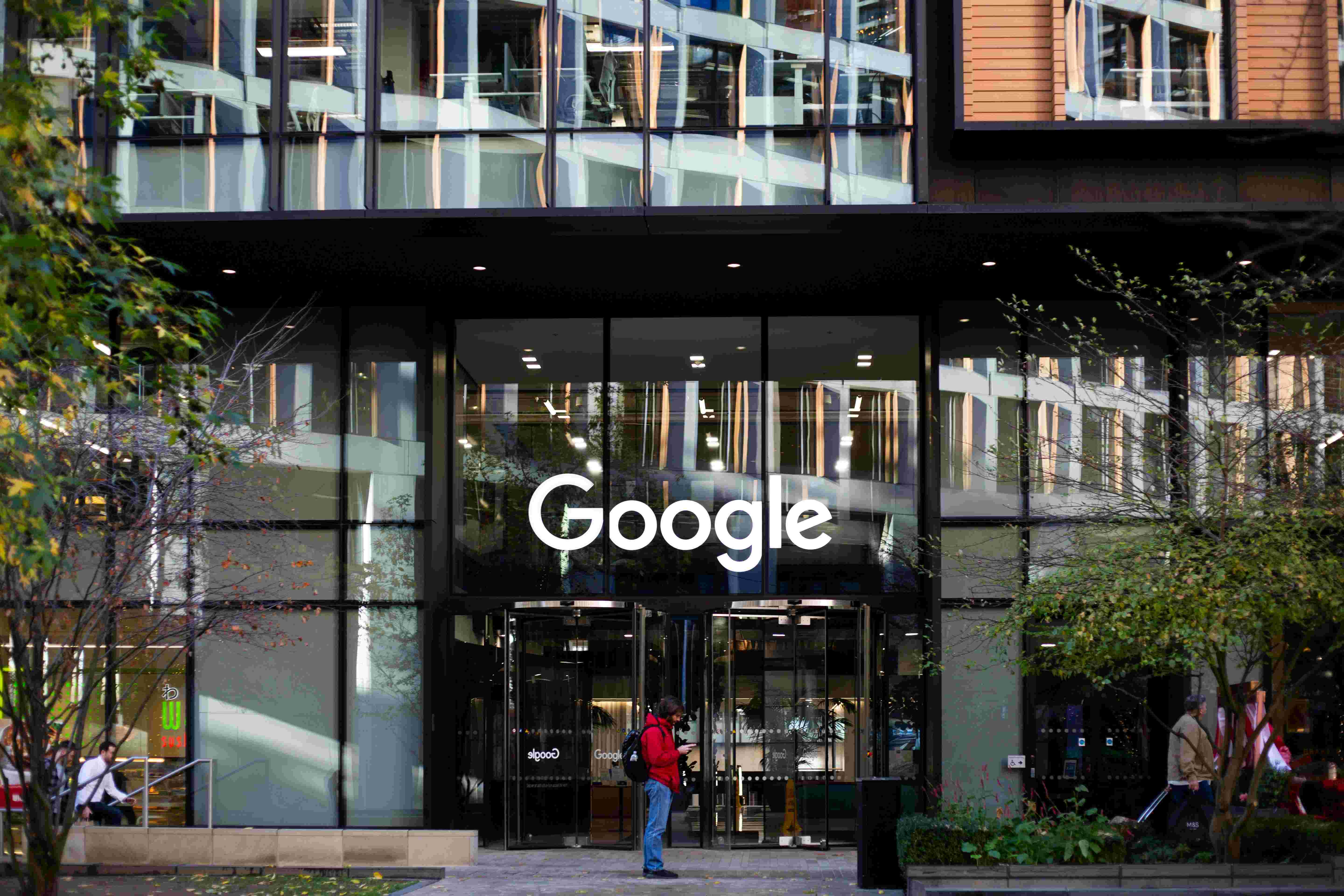
In the high-gloss world of Silicon Valley, downsizing has often been synonymous with disruption; sudden, brutal, and morale-crushing. But at Google, a quieter transformation is unfolding. The company is rethinking what it means to cut back. Instead of sweeping layoffs or dramatic cost-cutting memos, Google is opting for something softer, more deliberate—and, to some, more humane.
The changes, however, are no less profound.
In recent months, Google has aggressively trimmed its managerial layer, launched voluntary buyouts, and reorganized key divisions. The stated goal: efficiency. But beneath the spreadsheets and performance metrics lies something more existential. What kind of company does Google want to be? And how far can you stretch a workforce before something breaks?
Cutting the Ladder Down

Image Credit: Unsplash
One of the most notable shifts is occurring at the management level. At an all-hands meeting, employees were told that Google has reduced the number of managers overseeing small teams by more than one-third in just a year. Brian Welle, vice president of people analytics and performance, framed this as part of an intentional effort to strip away bureaucracy.
“Right now, we have 35% fewer managers, with fewer direct reports than at this time a year ago,” Welle told employees, in comments reviewed by CNBC.
While many of these managers were not shown the door outright, some returned to individual contributor roles—the signal is clear: Google is no longer willing to support a bloated hierarchy. The company wants to be leaner, flatter, and faster.
In Welle’s view, this is about alignment, not austerity. The goal is to make leadership a smaller percentage of the overall workforce over time. Less command-and-control, more hands-on execution.
But the psychological toll of this shift shouldn’t be underestimated. Middle management has long been the connective tissue of large organizations—mentors, advocates, decision filters. When those roles disappear, what’s left behind? A nimbler org chart, perhaps. Or a quieter kind of chaos.
Buyouts by Design
Latest Tech News
Decode Africa's Digital Transformation
From Startups to Fintech Hubs - We Cover It All.
At the same meeting, executives discussed another strategy with similarly transformative intent: voluntary exit programs (VEPs). Unlike traditional layoffs, which hit indiscriminately and often ignite internal panic, VEPs are framed as a choice—a way for employees to leave with grace and financial cushion.
Since January, at least ten product areas have offered these buyouts, with U.S.-based teams in search, marketing, hardware, and people operations among the participants. Uptake has ranged between 3% and 5% in affected teams.
Google CEO Sundar Pichai positioned the move as a response to employee preferences. Rather than impose cuts from above, the company listened.
“It gives people agency,” Pichai said, as reported by CNBC. “And I’m glad to see it’s worked out well.”
It’s a revealing choice of words: agency. In an industry often accused of treating talent as fungible, the idea that workers should control their own exit is a small, perhaps symbolic, act of empowerment.

But there’s also a paradox at play. Why are so many employees of one of the most desirable companies on the planet choosing to leave?
Who Walks Away from Google?
The answer may be less surprising than it seems. Fiona Cicconi, Google’s Chief People Officer, noted that many employees opting into the VEPs are simply looking for a break—from work, from burnout, from life on overdrive. Some want to care for family members. Others just want to pause.
What does it say about the state of modern knowledge work when stepping off the treadmill becomes the most attractive option?
Part of this trend may reflect broader cultural shifts. The pandemic irrevocably changed the way people think about labor, purpose, and time. Career breaks, once feared as résumé killers, are now being reframed as legitimate life choices. Tech workers, in particular, are waking up to the fact that the path up the ladder isn’t the only one worth walking.
Still, there’s no denying that Google’s internal culture has taken hits. Layoffs in 2023 affected about 6% of the workforce, and subsequent cuts, combined with ever-higher performance expectations, have sparked concerns about morale. Employees have asked about job security and what one internal question termed “internal barriers.”
Behind the numbers, there’s a growing feeling that the implicit deal between employer and employee is being rewritten in real time.
Sabbaticals, Sabers, and Silicon Valley One-Upmanship

Latest Tech News
Decode Africa's Digital Transformation
From Startups to Fintech Hubs - We Cover It All.
Image Credit: Unsplash
Adding to the tension is a sense of competition—not just among employees, but between tech titans themselves. During the town hall, employees asked whether Google would consider a policy similar to Meta’s “Recharge,” a month-long paid sabbatical earned after five years at the company.
Google’s answer? A polite but firm no.
“We’re very confident that our current offering is competitive,” said Alexandra Maddison, Google’s senior director of benefits.
The Efficiency Era
Zooming out, what’s happening at Google may mark the beginning of a broader shift in how Big Tech approaches its workforce. The post-pandemic boom in hiring is over. Generative AI is reshaping product roadmaps and talent priorities. Investor pressure is back with a vengeance. And across the Valley, the mantra of the moment is clear: do more with less.
Alphabet CFO Anat Ashkenazi, who joined the company in 2024, made this plain in October, saying she intended to push cost cuts “a little further.” Google, once infamous for lavish spending and sprawling moonshots, now appears to be reining things in.
A New Social Contract—or the End of One?
It’s tempting to see Google’s VEPs and managerial pruning as smart, sensitive solutions to the challenges of scale. And in many ways, they are. Voluntary exits avoid the trauma of layoffs. Streamlined teams can move faster. A leaner leadership structure might even encourage more bottom-up innovation.
But these policies also reflect a deeper transformation—one that’s altering the social contract between employer and employee in ways that are still unfolding.
Is this the beginning of a more equitable workplace model? Either way, the message is clear: Google is changing. And in its quiet, calculated reshaping, we may be glimpsing the blueprint for the next era of corporate life in Silicon Valley.