Ghana's Mid-Year Budget Review Sparks Economic Showdown Between Government and Opposition
Ghana's 2026 Mid-Year Budget Review sparks intense debate between the opposition NPP and the governing Majority over the nation's economic health. The NPP questions the sustainability of gains, citing temporary factors like gold prices and expenditure cuts, while the Majority insists improvements reflect prudent fiscal management backed by the IMF. Mixed public and farmer expectations highlight the urgency for tangible measures to ease living costs and support local agriculture.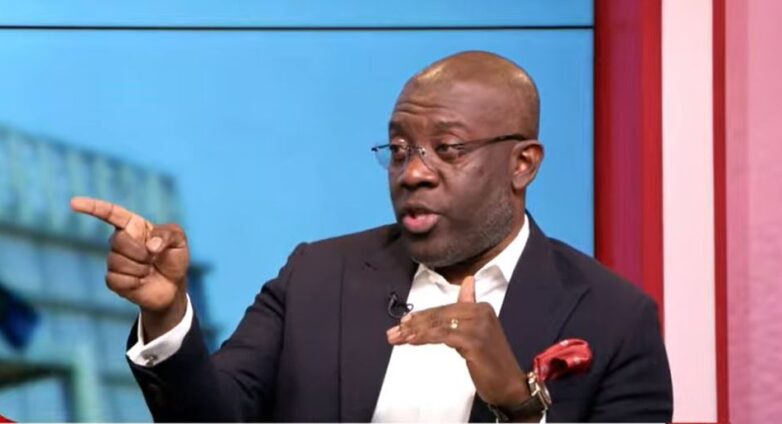
Ghana's 2026 Mid-Year Budget Review is shaping up to be a major political and economic battleground as Finance Minister Dr. Cassiel Ato Forson prepares to present the country's fiscal performance. The opposition New Patriotic Party (NPP) has questioned the sustainability of recent economic gains, arguing that improvements are largely driven by record gold prices and spending cuts rather than long-term policy reforms.
The party has also pointed to Ghana's continued engagement with the International Monetary Fund under a Policy Coordination Instrument as evidence that the economy still requires external support to maintain stability.
The NPP has raised concerns over what it describes as a "galamsey economy," claiming that strong growth figures are heavily dependent on the mining sector while revenue performance, capital expenditure, and public sector investments remain below target.
It has also criticised the government's handling of debt management, job creation promises under the 24-Hour Economy policy, and disparities between announced public spending and actual disbursements. According to the opposition, macroeconomic gains will mean little if they fail to translate into tangible improvements in livelihoods and economic resilience.
The governing Majority has rejected these claims, insisting that Ghana's improving economic indicators are backed by IMF assessments and prudent fiscal management. Government officials argue that expenditure adjustments were necessary to protect essential services and maintain fiscal discipline while broader economic growth extends beyond the gold sector.
As traders, farmers, and businesses await the budget presentation, expectations remain high for policies that address rising production costs, improve living standards, and deliver a realistic roadmap for Ghana's economic recovery.