9/11: Echoes of Tragedy and Resilience – New Oral Histories and Memorial's Enduring Comfort
Twenty-five years after the 9/11 attacks, the memorial site in lower Manhattan continues to draw millions, serving as a powerful symbol of remembrance and resilience, despite facing financial challenges. Efforts like Monica Iken-Murphy's advocacy and Dr. Benjamin Luft's oral history project ensure the profound human stories and lessons of that day are preserved for future generations. Michael Dobie highlights the critical importance of actively remembering to foster empathy and prevent future calamities.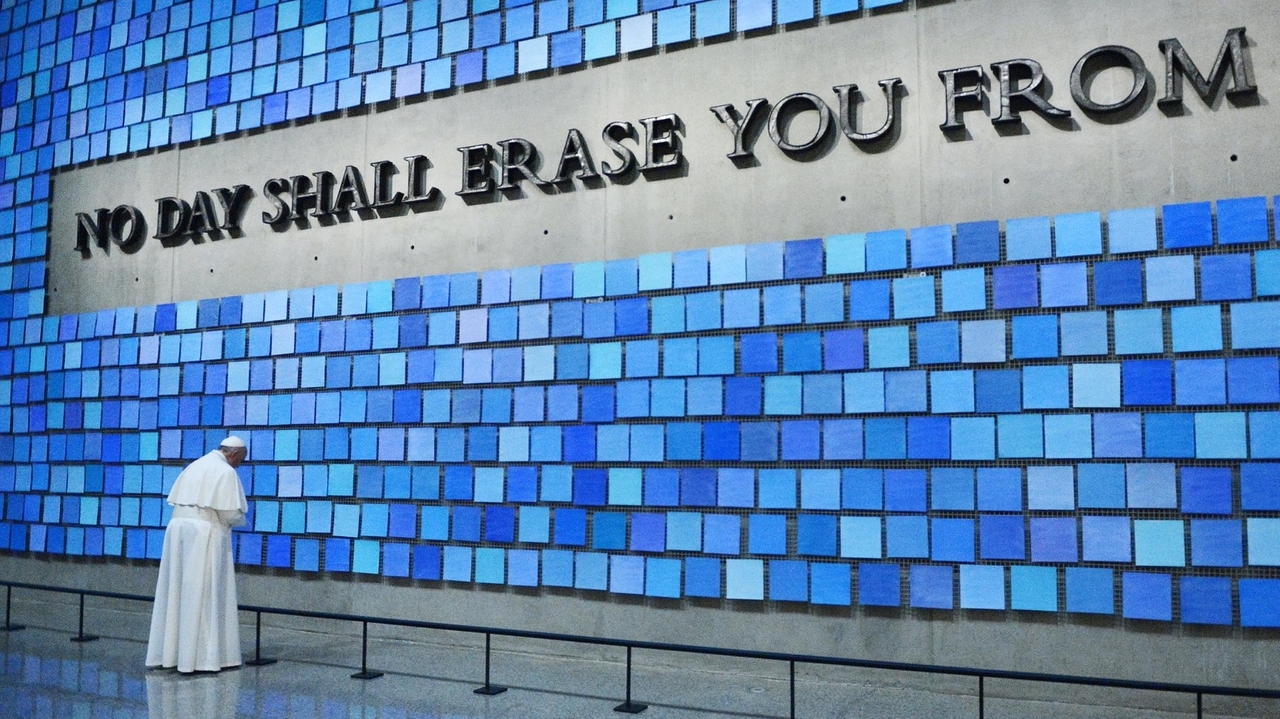
Twenty-five years after the devastating September 11, 2001, terrorist attacks, the 9/11 Memorial & Museum in lower Manhattan stands as a powerful testament to loss, remembrance, and resilience. At the heart of its creation was Monica Iken-Murphy, a 9/11 widow whose husband, Michael Iken, a 37-year-old bond trader, perished on the 84th floor of the South Tower. Through her nonprofit, September’s Mission, Iken-Murphy tirelessly advocated for the preservation of the site as a memorial, navigating complex discussions with former New York City Mayors Michael Bloomberg and Rudy Giuliani, and balancing the competing interests of victims' families, the immediate neighborhood, and developers.
Today, the 9/11 Memorial & Museum occupies eight acres of the formerly decimated World Trade Center site, flanked by over 400 white swamp oak trees. It features the iconic footprints of the Twin Towers, transformed into two reflecting pools with the names of those who died etched into bronze. This symbolic space has become a global destination, attracting millions annually; last year alone, 11.3 million people visited the memorial, and 2.4 million explored the museum. For Monica Iken-Murphy, the site holds deep personal significance, serving as her "happy place" where she feels a profound connection to her husband.
Despite its profound importance and high visitation, the 9/11 Museum has faced significant financial challenges. Publicly filed financial documents indicate the museum was operating with a nearly $20 million deficit, according to its 2024 990 forms. In response, a $75 million fundraising plan was launched in June to further its mission, particularly to educate younger generations about the attacks. Elizabeth Hillman, president and CEO of the 9/11 memorial, highlighted this necessity, noting that approximately 100 million Americans were either not yet born or too young to remember the events of that day.
Visitors from around the world attest to the memorial's impact. Lisbeth Aubry from Switzerland described it as a mandatory visit when in New York, while 18-year-old Owen Ford, an incoming Yale freshman, noted the striking sense of peace the memorial offers amidst the bustling city. Tourists like Moses and Sophia Pretrick from Micronesia reflected on the sheer horror of the attacks, contemplating the feelings of those present when the buildings fell. The memorial's immense scale within a dense urban area leaves a lasting impression on many.
The broader 16-acre World Trade Center site, destroyed in the attacks orchestrated by Osama bin Laden, has undergone complex redevelopment as a powerful rebuke. One World Trade Center, soaring 104 stories, opened in 2014, and groundbreaking for 2 World Trade Center, which will house American Express headquarters, occurred in July, with completion expected in 2031. The site also includes a performing arts center, other offices, and the Oculus, a transportation hub connecting multiple subway lines, commuter rail, ferry services, and a shopping mall. However, a proposed apartment tower, 5 World Trade Center, has encountered funding delays.
The 9/11 community continues to ensure its story is told. John Feal, a longtime 9/11 advocate and founder of the FealGood Foundation, who was seriously injured as a demolition supervisor at Ground Zero, frequently visits the memorial and museum. He commends its evolving exhibits, especially one recognizing acts of service inspired by the tragedy. Feal notes the community is "finite" and emphasizes the museum’s responsibility to continue telling their story, a commitment underlined by the addition of a 7th bell toll at this year’s annual reading of victims’ names, honoring first responders and those who died from 9/11-linked illnesses.
Complementing the memorial's physical presence is a vital oral history project led by Dr. Benjamin Luft, a physician specializing in infectious diseases and director of Stony Brook University's World Trade Center Health and Wellness Program. Recognizing the courage and sacrifice of first responders, Luft initiated a project to capture nearly 500 oral histories from patients and other New Yorkers. These interviews, conducted between 2010 and 2024, chronicle not only the events of 9/11 but also its complex emotions and long-term consequences, now permanently archived in an online collection at the Library of Congress. The collection is searchable by names, hometowns, and occupations, and organized into categories such as "The Day America Was Attacked" and "Rescue, Recovery & Cleanup."
One poignant account comes from Tyree Bacon, a court officer who, while rescuing a burned woman from the South Tower, was trapped in the rubble when it collapsed. Bacon, who later escaped, lost three colleagues that day and, along with multiple family members who responded, has since battled various 9/11-related health issues, including respiratory problems, cognitive issues, and cancers. He found sharing his story cathartic and emphasized the project's importance in showcasing "America at its best," with individuals from all walks of society stepping up in sacrifice and camaraderie.
Michael Dobie, a retired Newsday editorial board columnist, reflects on the delicate balance required in remembering such a monumental tragedy. He recalls the personal impact of watching the towers fall and the subsequent "ghastly haze." Dobie stresses that annual commemorations are crucial reminders not to be paralyzed by the enormity of the event initially, but also not to forget as time passes. He expresses concern that without personal attachment, such events risk becoming mere historical paragraphs. Remembering, Dobie argues, is not lip service but essential work that fosters empathy, understanding, and learning crucial lessons to minimize the possibility of future calamities. It reinforces shared humanity and reminds us that the lessons of tragedy are "always fresh" if we listen.
The collective efforts to maintain the 9/11 Memorial & Museum, document the personal stories of survivors and responders, and reflect on the national memory underscore the enduring impact of September 11th. These initiatives ensure that the profound lessons of the tragedy and the indomitable spirit of those affected continue to resonate, guiding future generations to remember, understand, and strive for a more empathetic and resilient world.