Ghana's Cocoa Revolution: Government Unveils Sweeping Reforms and New Fair Prices for Farmers
Ghana's Finance Minister has announced sweeping reforms for the cocoa sector, including a new producer price and a guaranteed minimum 70% FOB price for farmers. These measures, effective immediately, aim to address past mismanagement, ensure farmer payments, and boost local processing, despite concerns about COCOBOD's debt.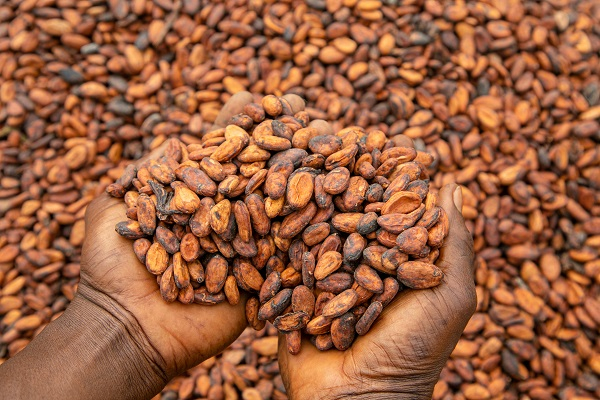
Ghana's Finance Minister, Dr. Cassiel Ato Forson, has unveiled a comprehensive package of reforms and a revised cocoa producer price, effective Thursday, February 12, 2026, aimed at revitalizing the nation's vital cocoa sector.
These measures seek to cushion farmers against declining global cocoa prices, inject immediate liquidity, and address what he described as "gross mismanagement" over the past eight years. The overarching goal is to guarantee fair prices for farmers, restore financial stability, and ensure the long-term sustainability of the industry.
Following a meeting of the Producer Price Review Committee (PPRC) chaired by Dr. Forson, a new producer price for the remainder of the 2025–2026 crop season has been set at GH₵41,392 per tonne, equivalent to GH₵2,587 per bag.
This adjustment ensures farmers receive 90% of the achieved gross Free on Board (FOB) price, which currently stands at USD 4,200 per tonne. This move is deemed crucial for enabling expedited payments to farmers and safeguarding the industry's future amidst volatile international market conditions.
The Cabinet, following an emergency meeting on Wednesday, February 11, 2026, approved a sweeping set of reforms designed to reposition the sector and protect cocoa farmers.
Key among these reforms is the immediate directive to the Ghana Cocoa Board (COCOBOD) to commence repayment of all cocoa farmers affected by delayed payments, a crisis that has left thousands unpaid for months, leading to significant hardship and reports of farmers detaining purchasing clerks. COCOBOD itself is currently grappling with approximately 50,000 metric tonnes of unsold cocoa at ports, and owes Licensed Buying Companies (LBCs) about GH₵2.04 billion ($185 million).
Further structural changes will be enshrined in a new COCOBOD Bill to be presented to Parliament. This legislation will introduce an automatic adjustment mechanism for producer prices, aligning them with global market prices, exchange rates, and other economic variables.
Crucially, the bill will guarantee that cocoa farmers receive a minimum of 70% of the gross FOB price for their produce, a significant step towards stabilizing their incomes and improving livelihoods. This commitment was reiterated by Samuel Adimado, President of the Licensed Cocoa Buyers Association of Ghana, who confirmed farmers would never receive less than 70% of the terminal price and would benefit from any price improvements.
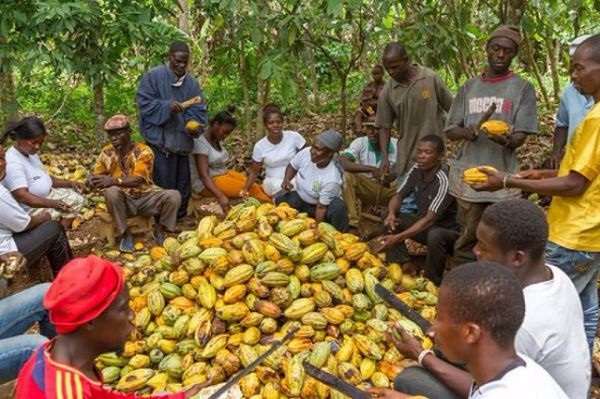
A new financing model, effective from the 2026/2027 crop season, will replace the current buyer-dependent financing structure, which superseded the syndicated loan model. This new framework will involve the issuance of domestic cocoa bonds to raise funds for cocoa purchases, creating a revolving fund for COCOBOD operations with proceeds repaid within each crop year.
This model is expected to facilitate the revival of indigenous Licensed Buying Companies (LBCs), many of whom were pushed out under the previous structure and are owed significant sums, with Mr. Adimado's association members alone being owed about GH₵10 billion.
In a strong push for value addition, the government has directed the immediate allocation of the remaining cocoa beans for the 2025/2026 crop year for domestic processing. Beginning with the 2026/2027 crop season, a mandatory minimum of 50% of Ghana’s cocoa beans must be processed locally, a provision that will be embedded in the new COCOBOD Bill.
To support this, the state-owned Produce Buying Company (PBC) will be revived immediately to resume full operations and become the leading licensed buying company, while the Cocoa Processing Company (CPC) will also be prioritized for revival as the leading processor of Ghana’s cocoa beans. This is a significant shift from the current 30-35% local processing rate.
However, these ambitious reforms are not without potential challenges. Associate Professor of Finance at Andrews University, Williams Kwasi Peprah, has raised concerns that maintaining higher producer prices amid falling international prices, without a clear financing mechanism, could deepen COCOBOD's existing debt.
He questioned whether the Ministry of Finance or COCOBOD would bear the cost of these differentials and suggested solutions such as restructuring COCOBOD’s debt or a direct commitment from the Finance Ministry to cover potential losses.
The reforms have largely been met with optimism from stakeholders. Finance Minister Dr. Forson and Minister for Trade, Agribusiness and Industry, Elizabeth Ofosu-Adjare, engaged with cocoa processors and key industry players. Ofosu-Adjare emphasized the government's commitment to moving beyond raw cocoa bean exports, focusing on value addition, job creation, and strengthening the cedi.
Samuel Adimado, speaking on behalf of the Licensed Cocoa Buyers Association, expressed strong approval, viewing the measures as a necessary "new approach" to rescue the industry and a "perfect strategy" to leverage market dynamics. He conveyed confidence that all outstanding payments to LBCs would be settled.
These comprehensive reforms mark a pivotal moment for Ghana's cocoa sector, aiming to foster greater efficiency, ensure farmer prosperity, and enhance the country's competitive standing in the global cocoa market through strategic policy changes and significant investment in local processing capabilities.