El-Rufai Under Fire Over EFCC Probe and Phone Tapping Allegations as Political Storm Deepens
Former Kaduna State Governor Nasir El-Rufai faces extensive legal and ethical challenges, including federal charges for allegedly tapping the National Security Adviser's phone. He is also under investigation by the EFCC for alleged terrorism financing and financial impropriety, and by the DSS regarding a 2019 disappearance. Critics highlight his alleged hypocrisy, citing past actions as governor.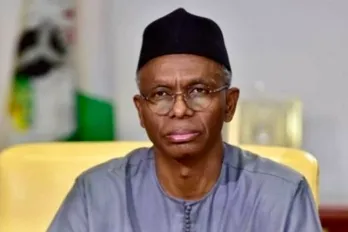
Former Kaduna State Governor Mallam Nasir El-Rufai is facing mounting legal and ethical scrutiny from anti-graft and security agencies, as well as the federal government.
Central to the controversy is his alleged admission that he tapped the phone of National Security Adviser Mallam Nuhu Ribadu, a claim that has triggered widespread debate.
Senior Advocate of Nigeria Babatunde Ogala described the purported confession as grave, warning that failure to prosecute could set a dangerous precedent.
He argued that unlawful interception of communications violates not only the Cybercrime Act but also the Data Protection Act, stressing that targeting a high-ranking security official heightens the national security implications.
Formal charges have reportedly been filed under the Cybercrimes Act and the Nigerian Communications Act, signaling the commencement of legal proceedings.
However, the phone-tapping allegation has drawn mixed reactions. Former Rivers State Governor Rotimi Amaechi questioned El-Rufai’s technical capacity to hack the NSA’s phone and controversially suggested that the NSA’s office itself routinely monitors communications.
Amaechi further accused Ribadu of engaging in political maneuvering ahead of the 2027 and 2031 elections, introducing a partisan dimension to the unfolding controversy.
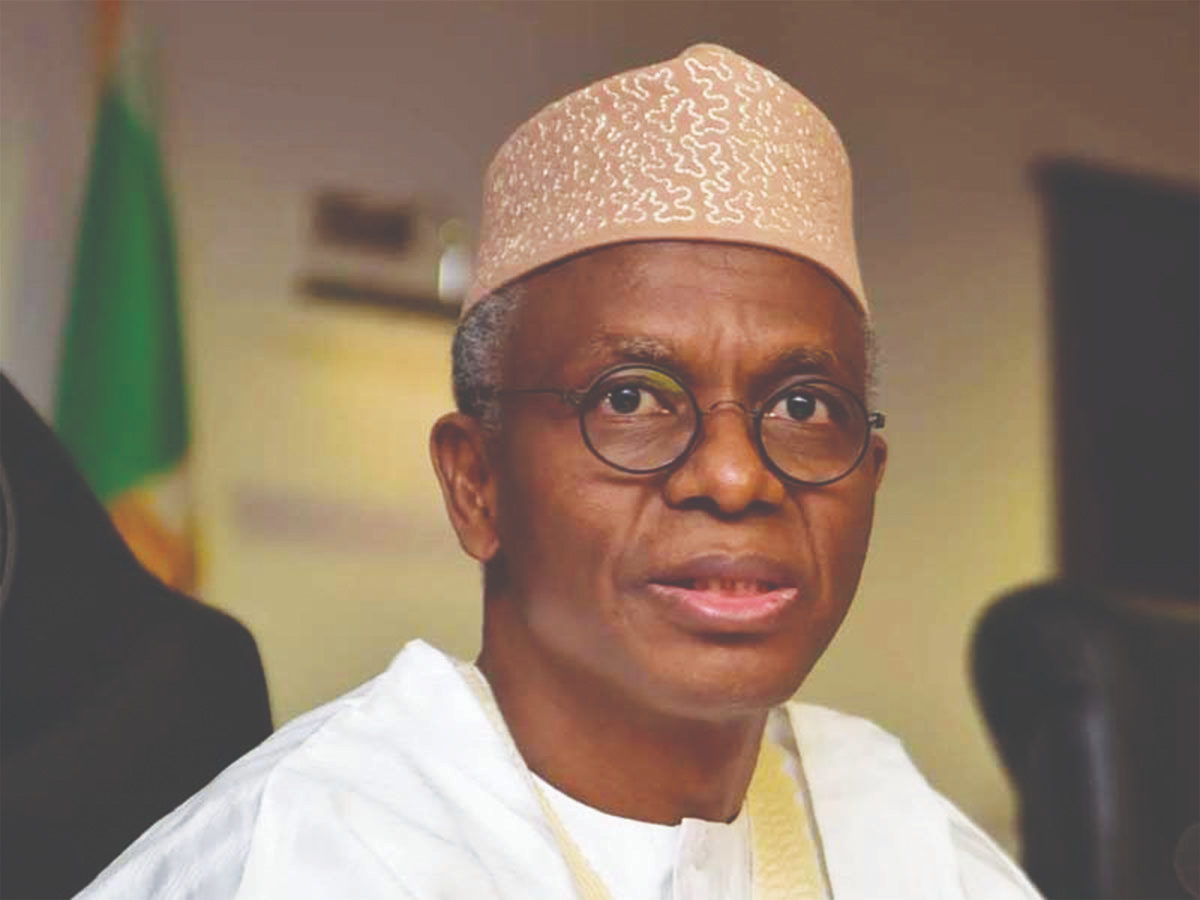
His remarks stand in contrast to the legal arguments emphasizing accountability and national security concerns.
Beyond the interception allegations, El-Rufai is the subject of multiple investigations by the Economic and Financial Crimes Commission (EFCC).
One probe reportedly concerns alleged terrorism financing, while another focuses on claims of financial mismanagement during his tenure as Kaduna governor from 2015 to 2023.
These investigations follow an indictment by the Kaduna State House of Assembly, which accused him and his aides of siphoning over N4 billion through alleged loan misuse and procedural irregularities.
El-Rufai’s media aide has stated that he is cooperating with investigators, describing engagements with the EFCC as constructive.
The Department of State Services (DSS) has also seized his passport amid a broader inquiry into the 2019 disappearance of Abubakar Idris, known as Dadiyata, a government critic abducted in Kaduna.
Additionally, the federal government has filed a three-count charge under the Cybercrimes (Prohibition, Prevention, etc.) Amendment Act, 2024, and the Nigerian Communications Act 2003, citing unlawful interception and threats to public safety.
Compounding the controversy are accusations of hypocrisy, notably from music executive Audu Maikori, who recalled his 2017 arrest under El-Rufai’s administration over a retracted social media post.
As legal proceedings unfold, the former governor faces converging political, legal, and reputational challenges that could significantly shape his public standing.