Ghana Drowns: Devastating Floods Leave Thousands Displaced, Claims Lives, Cripple Infrastructure
Ghana is facing a devastating national flood crisis in late June 2026, with unprecedented rainfall causing widespread destruction, casualties, and displacement across Greater Accra and other regions. Political leaders are calling for national unity to address the disaster, while the government mobilizes emergency services and relief efforts to support affected communities and improve flood resilience.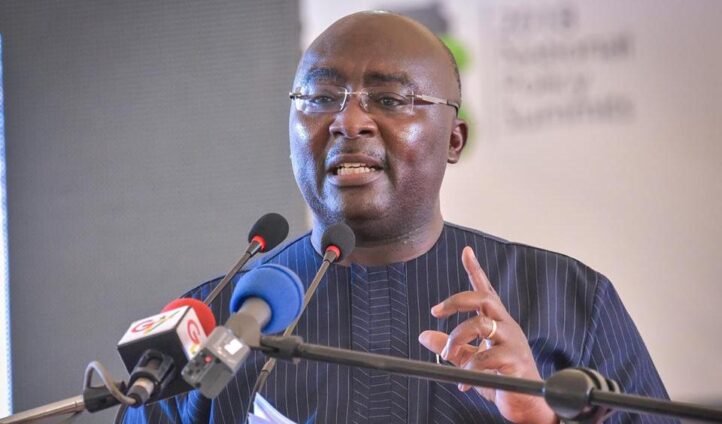
Ghana is grappling with a severe national crisis following unprecedented torrential rains in late June 2026, which have triggered devastating floods across several parts of the country. These floods have claimed lives, displaced thousands, and caused extensive destruction, prompting widespread calls for national unity and a non-partisan approach to address the perennial challenge.
The impact in the Greater Accra Region has been particularly severe, with Monday's heavy downpour on June 29, 2026, leading to widespread inundation. The Ghana National Fire Service (GNFS) confirmed at least 12 fatalities and the rescue of nearly 500 people between Sunday and Monday. The Minister for the Interior, Mohammed-Mubarak Muntaka, disclosed that 7,761 households, affecting 38,802 individuals, were impacted, with seven persons still missing as of Tuesday morning, June 30. Major communities such as Alajo, Adabraka, Circle, Kaneshie, Weija, Tse Addo, Ofankor, Pantang, Ashongman Estates, and parts of the Tema Metropolis were severely hit, leading to submerged homes, disrupted businesses, widespread traffic, and the closure of major roads and educational institutions. Specific areas like Ga East, Ledzokuku, Ayawaso Central, and Korle Klottey reported significant displacements and casualties.
Beyond Greater Accra, other regions have also suffered. The Central Region experienced its own disaster two weeks prior, with 18 lives lost and 58 houses collapsing, many of which were old mud and brick structures. In the Volta Region, over 60 communities were affected, although these incidents were not described as life-threatening. The Western North Region, particularly Samreboi, saw over 1,200 people displaced due to the floods.
The Interior Minister, Mohammed-Mubarak Muntaka, highlighted the extraordinary nature of the recent rainfall, confirming that June 2026 recorded a cumulative 593.2 millimetres of rainfall, making it the highest monthly total ever documented in Ghana's meteorological history. The single-day rainfall on Monday, June 29, measuring 169.2 millimetres, was also the fourth largest volume recorded in a single day since 1995. While acknowledging that human activities like indiscriminate refuse dumping and building on waterways exacerbate flooding, the Minister stressed that the sheer volume of rainfall meant floods would likely have occurred regardless.
Leading political figures have urged for collective action. Former Vice President and 2028 presidential candidate, Dr. Mahamudu Bawumia, called on Ghanaians to set aside political differences, describing the disaster as a national tragedy demanding collective action. He also suggested the government consider declaring a state of emergency if forecasts of heavier rainfall materialize, advocating for a non-partisan mobilization of engineers, hydrologists, and disaster management experts. Similarly, Francis Asenso-Boakye, the Ranking Member on Parliament’s Select Committee on Local Government and Decentralisation, emphasized national unity and cautioned against politicizing the crisis, stressing that floodwaters do not discriminate.
The multifaceted causes of flooding in Ghana are well-known, including inadequate drainage infrastructure, weak enforcement of planning regulations, poor waste management, rapid urbanization, and the growing effects of climate change. Asenso-Boakye urged caution against reducing the crisis to a single cause, emphasizing the need for a comprehensive response and adequate transition arrangements for any policy changes affecting sanitation and waste management.
In response to the crisis, the government has initiated several emergency measures. The Minister for the Interior announced the deployment of the Ghana Armed Forces’ 48 Engineers Regiment to undertake emergency drainage clearance and support flood recovery operations. Accra Mayor Michael Kpakpo Allotey confirmed the distribution of relief items, including rice, cooking oil, and cash assistance, to affected families. Extensive cleanup exercises and desilting of drains are also underway across flood-affected communities. The Electricity Company of Ghana (ECG) fully restored its vending systems and payment platforms nationwide, which had experienced technical disruptions due to the floods. Emergency response agencies such as NADMO, the Ghana Armed Forces, the Ghana Police Service, and the Ghana National Fire Service remain on the ground, conducting search-and-rescue operations, assessing damage, and providing humanitarian assistance. Authorities have urged residents to stay vigilant, avoid flood-prone areas, and adhere to safety directives as recovery efforts continue, with a commitment to building safer and more climate-resilient communities.