Gas Crisis Deepens: Cooking Gas Prices Skyrocket Across Major Nigerian Cities
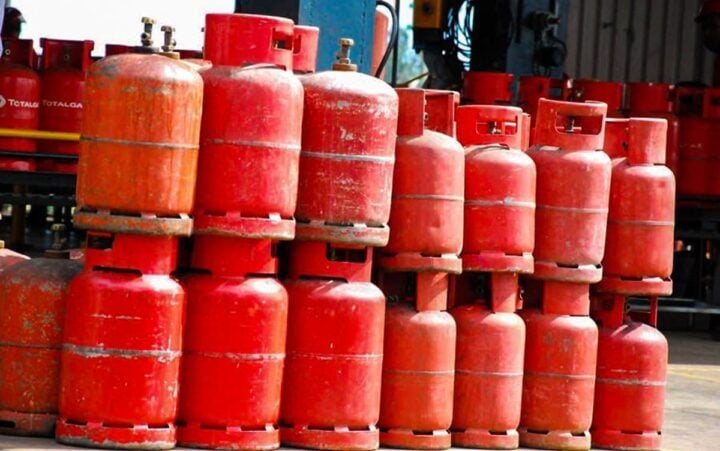
Cooking gas prices are experiencing a significant surge across various parts of Nigeria, including Lagos, Ogun, and Abuja, amidst growing concerns from marketers regarding worsening supply shortages and escalating operational costs within the liquefied petroleum gas (LPG) sector. Observations on Monday revealed that prices had peaked, ranging from N1,400 to N2,000 per kilogramme (KG) in different locations.
Specific price hikes were noted across metropolitan areas. In Ikorodu, Lagos, cooking gas climbed to N1,800 per KG from N1,300 just a month prior. At Afeeze Bus Stop in Ogba, prices reportedly increased from N1,500 to N2,000 per KG within three weeks. Consumers in Akoka, Yaba, purchased the product at N1,500 per KG, while in Ojota, Lagos, it sold for N1,400 per KG. Residents in parts of the RCCG camp area in Mowe, Ogun state, faced prices of N2,000 per KG, though in Owerri, Imo state, the commodity was N1,500 per KG. In the Federal Capital Territory (FCT), prices varied, with Lugbe residents reporting N1,480 per KG and Lokogoma consumers paying N1,600 per KG.
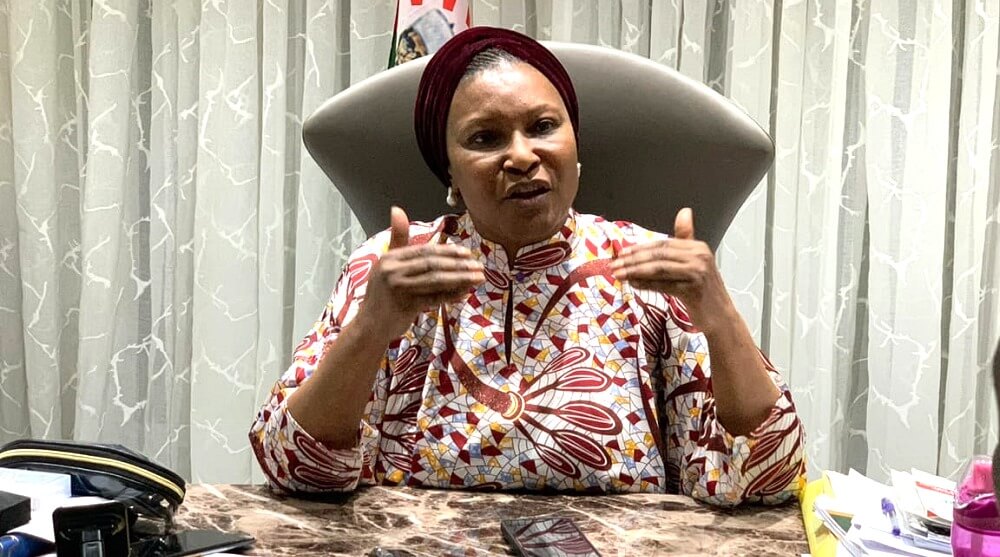
The Nigerian Association of Liquefied Petroleum Gas Marketers (NALPGAM) has attributed this surge primarily to pervasive supply shortages and mounting operational costs. In a joint statement, NALPGAM president Edu Inyang and executive secretary Bassey Effiong highlighted that consumers nationwide are now purchasing cooking gas at over N1,500 per KG. Marketers are reportedly paying between N25.2 million and N26.2 million for a 20-metric-tonne truck of LPG, depending on their location, which significantly impacts retail prices.
NALPGAM warned that the soaring cost and erratic supply of cooking gas are imposing severe hardship on a broad spectrum of the population, including households, food vendors, small businesses, and low-income earners who rely on LPG for daily cooking needs. The association underscored that this crisis threatens years of progress made by both the government and private investors in promoting clean cooking energy as a sustainable alternative to traditional fuels like firewood, charcoal, and kerosene.
The group also expressed profound concern over several challenges confronting marketers across the country, which include persistent supply shortages, high depot prices, significant logistics bottlenecks, and continuously rising operational costs. Without immediate intervention, NALPGAM cautioned that the situation could lead to a worsening of food inflation, force numerous LPG businesses to shut down, trigger widespread job losses, and ultimately undermine Nigeria's ambitious clean energy goals.
In response to these critical issues, NALPGAM has called upon the federal government and key industry stakeholders, including the Ministry of Petroleum Resources, the Nigerian Midstream and Downstream Petroleum Regulatory Authority (NMDPRA), NNPC Limited, domestic producers, and terminal operators, to urgently intervene and stabilize the LPG market. The association recommended several strategic measures: increased domestic gas allocation, improved product availability, the implementation of transparent distribution systems, a reduction in importation and storage bottlenecks, and other strategic initiatives designed to stabilize prices and ensure affordability.
You may also like...
Usyk's Victory Reshapes His Future: A Deep Dive into the Aftermath of the Verhoeven Bout

Heavyweight champion Oleksandr Usyk faced a surprisingly tough challenge against kickboxer Rico Verhoeven, sparking deba...
Emotional Farewell: Oliver Glasner and Crystal Palace Eye Conference League Finale After Tumultuous Season
Crystal Palace, under outgoing manager Oliver Glasner, prepares for a historic European final in Leipzig, a culmination ...
Blockbuster Horror Franchise Unleashes Terrifying Return, $700M Hit Promises Summer Scares!

The Insidious franchise expands its terrifying universe with 'Insidious: Out of the Further,' introducing a new protagon...
Paramount+ Shatters Records: New Western Series Becomes Biggest Streaming Premiere!

Taylor Sheridan continues to dominate the television landscape with new hit series. His latest "Yellowstone" spin-off, "...
Olivia Rodrigo Unleashes 'You Seem Pretty Sad' Tracklist, Teasing Shocking Song Titles!

Olivia Rodrigo has unveiled the full tracklist for her upcoming third studio album, "You Seem Pretty Sad for a Girl So i...
Drake Shatters Hot 100 Records: First to 400 Hits & 42 Songs in a Week!

Drake makes history on Billboard's charts, becoming the first artist to simultaneously hold the top three spots on the B...
Michelle Monaghan Dishes on De Niro, Past Roles, and 'Family Plan 3'

Michelle Monaghan shares details about her latest projects, including the film "The Whisper Man" with Robert De Niro and...
Andor's Diego Luna Reveals Sci-Fi's Impact on His Directing Return

Diego Luna's latest film, "Ashes," delves into the complex journey of migration from Mexico to Spain, inspired by Brenda...