Falana Faults Court Martial Directive Requiring Lawyers to Wear Wigs and Gowns
A legal controversy has erupted in Abuja over a secret military trial where the court martial mandated lawyers to wear wigs and gowns. Lawyers and the Nigerian Bar Association have vehemently rejected this directive, citing violations of professional conduct rules and constitutional concerns. This has intensified criticism regarding the trial's transparency and adherence to legal standards.
A fresh controversy has emerged around the ongoing military trial of alleged coup plotters after a court martial ordered defence lawyers to appear in wigs and gowns or risk being denied audience before the tribunal.
The directive was issued after a disagreement between tribunal officials and civilian defence lawyers over courtroom dress requirements at the military facility where the proceedings are being conducted. The dispute has intensified concerns about the conditions under which the trial is being held.
The tribunal subsequently adjourned proceedings to May 18 and instructed all legal representatives to comply with the dress code before the hearing resumes.
Some defence lawyers challenged the order, arguing that the tribunal lacks the authority to impose such requirements on civilian practitioners. They also questioned whether access to legal representation could lawfully be restricted on the basis of courtroom attire.
Senior Advocate of Nigeria Femi Falana has publicly criticized the directive, describing it as inconsistent with professional regulations governing legal practice in Nigeria.
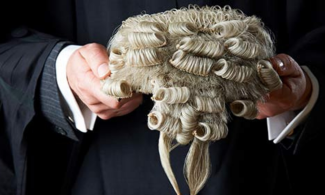
In a statement titled “Why Lawyers Cannot Robe Before Military Courts,” Falana argued that compelling civilian lawyers to appear in wigs and gowns before a military tribunal could amount to a violation of professional rules and potentially expose practitioners to disciplinary consequences.
According to Falana, the requirement was contained in a convening order reportedly issued on April 23, 2026, by Major General A.M. Alechenu for the trial of 36 military officers facing allegations of attempting to overthrow President Bola Ahmed Tinubu.
He contended that neither military authorities nor a General Court Martial possess the legal power to compel civilian counsel to robe before such proceedings. Falana maintained that courtroom attire for legal practitioners is regulated by the Rules of Professional Conduct for Legal Practitioners and relevant legal provisions, rather than military directives.
The case has also renewed debate over transparency in military trials, particularly where civilians are involved. Rights advocates have raised concerns about access, procedural safeguards and the balance between national security considerations and constitutional rights.
The court martial is expected to reconvene on May 18, when the dispute over courtroom attire and representation is likely to remain a key issue alongside the substantive allegations before the tribunal.